
Main Courses
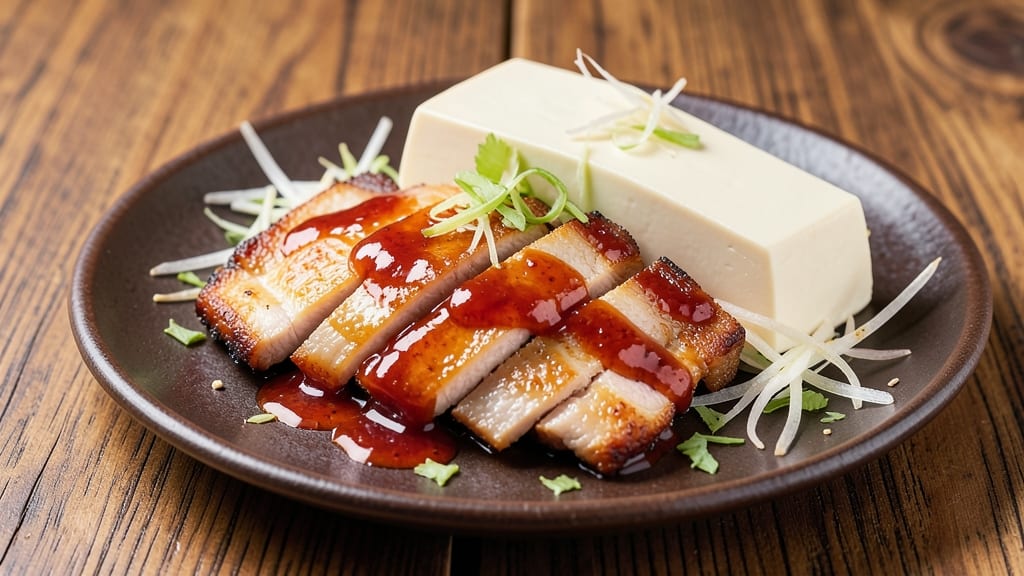
This Korean pork jowl recipe transforms rich, fatty pork into a crispy, silky masterpiece that balances textures perfectly. 🔥 The secret lies in slow-rendering the fat until it shatters like glass while keeping the meat tender—a technique rooted in traditional Korean samgyeopsal but elevated with tofu’s delicate contrast.
What makes this dish special isn’t just the pork; it’s the harmony of crispy edges, melt-in-your-mouth fat, and the subtle bite of silky tofu that cuts through the richness.
Unlike quick-cooked cuts, pork jowl requires patience—2 hours of slow braising to render fat without drying the meat.
The process might seem daunting, but the result is worth it: a dish where every bite delivers crispy shards of fat and tender pork, paired with tofu that soaks up the savory broth.
Traditional Korean seasonings—soy, ginger, and sesame—infuse the dish with depth, while a touch of gochujang adds just the right amount of heat.
Serve this dish family-style, piled high on a steaming plate with steamed rice and kimchi to balance the richness. The crispy pork jowl becomes the star, its golden fat glistening under the light, while the tofu adds a light, silky contrast.
This isn’t just a recipe; it’s a celebration of texture and tradition, where every component plays its part in perfect harmony.
The beauty of this dish lies in its versatility—it works as a centerpiece for gatherings or a comforting weeknight meal. Leftovers reheat beautifully, making it ideal for meal prep. Whether you’re introducing someone to Korean cuisine or perfecting a favorite dish, this recipe delivers restaurant-quality results at home.
Ingredients for pork jowl recipe korean
Rich pork jowl and silky tofu create a harmonious balance of crispy, tender, and savory perfection.
| Ingredient | Amount | Notes |
|---|---|---|
| Pork Jowl 🥓 | 1 ½ lb | Skin-on, fatty cut preferred |
| Extra-Firm Tofu 🍲 | 1 block | Pressed, cubed for texture |
| Kosher Salt 🧂 | 1 ½ tbsp | Diamond Crystal preferred |
| Fresh Ginger 🧄 | 2 tbsp | Finely grated, aromatic |
| Sesame Oil 🫒 | 1 tbsp | Toasted for nutty flavor |
| Gochujang 🌶️ | 1 tbsp | Korean fermented chili paste |
| Soy Sauce 🥫 | ½ cup | Korean preferred, reduced |
| Garlic Cloves 🧄 | 6 cloves | Minced, aromatic base |
| Sesame Seeds 🌱 | 1 tbsp | Toasted, for garnish |
| Green Onions 🧅 | 4 whole | Sliced, fresh garnish |
| Rice Vinegar 🍶 | 1 tbsp | For brightness |
| Sugar 🍬 | 1 tsp | Balances flavors |
| Vegetable Oil 🫒 | 2 tbsp | High smoke point |
| Steamed White Rice 🍚 | 2 cups | For serving |
| Kimchi 🥬 | 1 cup | Spicy fermented cabbage |
The pork jowl is the centerpiece—look for thick-cut, fatty sides at specialty butchers or Asian markets. Costco often carries it pre-cut, but if buying whole, trim excess fat to about 1/4-inch thickness for even rendering. Fresh ginger should smell vibrant and bright; Korean markets carry the best quality. The tofu must be extra-firm and pressed for hours to achieve that signature silky texture. Trader Joe's sells pre-pressed blocks, but if using standard tofu, wrap it in a towel and place a heavy pan on top for 30 minutes before cubing.
No gochujang? Substitute 1 tbsp sriracha plus 1 tsp honey for heat, though the fermented depth will differ. Sesame oil shortages? Toasted peanut oil at half the amount mimics the nuttiness. Fresh ginger too strong? Use 1 tsp ground ginger instead, but fresh is ideal. The soy sauce should be Korean-style (like Gochugaru brand)—regular soy is too salty. For the tofu, if you can't press it properly, freeze and thaw overnight to remove excess water. The rice vinegar adds brightness; if unavailable, apple cider vinegar works in a pinch.
Store leftover pork jowl in an airtight container with its rendered fat for 4-5 days—the fat keeps it moist. Reheat gently in a skillet to restore crispiness. Tofu reheats well but best when fresh; use within 2 days of cooking. Freeze portions of the pork in the fat for 3 months. The kimchi and rice can be prepped ahead—keep kimchi refrigerated and rice at room temperature until serving. This dish tastes even better the next day as flavors meld.
Why You'll Love This Recipe
- One-Pan Magic: The pork jowl and tofu practically cook themselves—just sear, simmer, and let the ginger and sesame oil work their magic. I’m talking minimal chopping (honestly, the jowl’s fat renders down like butter) and one sheet pan that’s basically self-cleaning.
- Crispy-Creamy Obsession: That first bite—crispy jowl with a melt-in-your-mouth center, tofu soaking up the savory glaze—it’s the kind of contrast that makes you forget about salads. Between us, the sesame oil finish turns "weeknight dinner" into "I’d order this again" territory.
- Leftovers That Don’t Suck: Cold slices the next day? Still ridiculously good. The jowl stays tender, the tofu holds up, and it’s the perfect grab-and-go lunch when you’re too tired to reheat. (Yes, even on a Tuesday.) Pack it in bento boxes or toss it in a wrap—no one will guess it’s from last night.
- Budget Flexibility: Pork jowl is cheaper than you think, and tofu stretches this into a full meal without breaking the bank. I’ll be real: I’ve made this for date nights (impressive but easy) and lazy Sundays (zero effort, all flavor). It’s the kind of dish that proves good food doesn’t need a fancy grocery list.
Step-by-step instructions for Korean pork jowl with silky tofu
Transform fatty pork jowl into crispy perfection while balancing it with silky tofu—here's the precise method.
🔥 Step 1: Render the Pork Jowl Fat Until Crispy
Place the 1.5 lb pork jowl (skin-side down) in a cold, heavy-bottomed Dutch oven. Add 2 tbsp vegetable oil and turn heat to medium-low. The goal is slow, even fat rendering—this prevents burning while creating that coveted crackling texture.
Cover with a lid and cook for 2 hours, spooning the rendered fat over the meat every 30 minutes to ensure even cooking. You'll know it's ready when the skin is deep golden brown and the fat is crispy enough to hold its shape when lifted with tongs. Real talk: resist the urge to peek or stir—this disrupts the rendering process.
🍳 Step 2: Prepare the Tofu and Flavor Base
While the pork jowl renders, press the 1 block extra-firm tofu between paper towels for 15 minutes to remove excess water. Cut into 1-inch cubes and set aside. In a separate bowl, whisk together 0.5 cup soy sauce, 1 tbsp gochujang, 1 tbsp rice vinegar, 1 tsp sugar, and 2 tbsp finely grated fresh ginger until fully combined.
In a small skillet, heat 1 tbsp sesame oil over medium heat and sauté 6 minced garlic cloves for 30 seconds until fragrant. Add the tofu cubes and toss to coat in the garlic oil. Remove from heat and immediately pour the soy-gochujang mixture over the tofu, ensuring even distribution. Let it marinate for 10 minutes—this infuses the tofu with bold Korean flavors.
🥘 Step 3: Build the Crispy-Silky Assembly
Remove the pork jowl from the Dutch oven and place it on a cutting board. Let it rest for 10 minutes—this allows the juices to redistribute while you prepare the tofu. In the same Dutch oven (no need to clean it—the rendered fat is flavor gold), increase heat to medium-high and add the marinated tofu cubes in a single layer.
Cook for 4-5 minutes until the tofu develops a light golden crust on all sides. Remove and set aside. Add 1 cup kimchi to the Dutch oven and cook for 2 minutes to soften slightly. Return the tofu to the pot and stir gently to combine with the kimchi and remaining pork fat.
🔪 Step 4: Slice and Garnish for Serving
Using a sharp knife, slice the pork jowl into ¼-inch thick slices against the grain for maximum tenderness. Arrange the sliced pork jowl on a platter, fanning the slices slightly to showcase the crispy skin. Spoon the tofu-kimchi mixture alongside, ensuring each serving gets both components.
Garnish each serving with 1 tbsp toasted sesame seeds and 1 sliced green onion. The contrast between the shatteringly crisp pork jowl and silky tofu creates an unforgettable textural experience. Serve immediately with 2 cups steamed white rice to soak up every last drop of that flavorful rendered fat.
Pro Tips For Making Pork Jowl Recipe Korean
- CRISP THE JOWL FIRST: The pork jowl needs a proper sear—don’t skimp on the time. Get a heavy pan screaming hot, lay the jowl fat-side down, and let it render undisturbed for 8-10 minutes until the fat turns golden and the meat releases easily. I used to rush this, and the final texture was always sad—like overcooked bacon.
- SALT THE TOFU LIKE PORK: Extra-firm tofu absorbs flavors better when it’s dry and seasoned early. Pat it thoroughly with paper towels, then sprinkle kosher salt (about ½ teaspoon per block) and let it sit for 10 minutes before cooking. This isn’t just about taste—it prevents the tofu from turning mushy when it hits the pan.
- DON’T OVERCROWDLE THE GINGER: Fresh ginger loses its punch when it’s chopped too fine or boiled to death. For this dish, use a microplane or the largest holes of a box grater—you want visible flecks, not paste. And if you’re simmering it, keep the heat low; I’ve seen people turn it into ginger syrup by accident.
- REST THE JOWL UNDER FOIL: After braising or roasting, the jowl’s juices will pool like a lazy river if you cut into it too soon. Give it a solid 5-10 minutes under foil before slicing—yes, even if you’re starving. The meat firms up, the fat sets, and the slices hold together. Trust me, your first bite will be worth the wait.
Flavor customization for this dish
Spice Level Control
Adjust the heat to your preference by tweaking the gochujang amount. For mild flavor, use just ½ tbsp instead of the full 1 tbsp—this keeps the dish savory without heat.
If you love spice, add ½ tsp gochugaru (Korean chili flakes) directly to the rendered fat during the final 10 minutes of pork jowl cooking. This creates a smoky, spicy crust on the pork while keeping the tofu mild. 🌶️
Sweet-Savory Balance
Balance the richness of pork jowl by playing with sweetness. Add 1 tsp honey or maple syrup to the soy-gochujang marinade for the tofu—this caramelizes slightly when cooked, creating a glossy finish.
For extra depth, stir 1 tsp brown sugar into the rendered fat during the last 5 minutes of pork jowl cooking. This enhances the Maillard reaction for deeper flavor.
Umami Boost
Elevate the dish with umami-rich ingredients. Stir 1 tbsp fish sauce into the soy-gochujang marinade for the tofu, or add 1 tbsp doenjang (Korean fermented soybean paste) to the rendered fat while cooking the pork.
Both options deepen the savory profile without overpowering. For a vegetarian twist, swap fish sauce for 1 tbsp mushroom powder** (like Better Than Bouillon mushroom base).
Herb Variations
Fresh herbs brighten the dish without altering the core flavors. Toss the marinated tofu with 1 tbsp chopped cilantro or thai basil before serving for a fresh contrast. For a more traditional Korean touch, add 1 tsp toasted perilla seeds (available at Asian markets) to the sesame seeds during garnishing.
These seeds have a subtle minty aroma that complements the pork beautifully.
Protein Swaps
Customize the protein while keeping the technique intact. Swap pork jowl for duck fat legs (render the fat at 275°F for 1.5 hours) or chicken thighs (reduce cooking time to 45 minutes).
For a vegetarian option, use extra-firm tofu pressed for 24 hours and pan-fry until crispy, then marinate in the same soy-gochujang mixture. The tofu-kimchi combo remains the star in these variations.
Texture Adjustments
Control crispiness by adjusting cooking times. For extra-crispy pork, increase the rendering time to 2.5 hours and add ½ cup water to the Dutch oven during the last 30 minutes—this creates steam that crisps the skin faster.
For softer pork, reduce time to 1.5 hours and skip the water. The tofu can also be adjusted: pan-fry until golden for extra crunch or steam lightly for a silky finish.
Nutrition facts
Frequently asked questions
Can I use regular pork belly instead of pork jowl?
While pork belly works, pork jowl is specifically chosen for its thin, crispy skin and delicate fat layers. The jowl's leaner fat renders more evenly, creating that signature glass-like shatter. If using belly, trim excess fat to 1/8-inch thickness and reduce cooking time to 1.5 hours to prevent over-rendering.
How do I know when the pork jowl is fully rendered?
The fat should be deep golden brown and crisp enough to hold its shape when lifted with tongs. Test by pressing a slice—if it releases cleanly without sticking, it's ready. The internal temperature should reach 160°F (measured in the thickest part). Never rush this step!
What if I don't have gochujang?
Use 1 tbsp sriracha + 1 tsp honey for heat, though the fermented depth will differ. For a milder option, substitute with 1 tbsp tomato paste + ½ tsp smoked paprika. The key is balancing sweetness and umami—adjust to taste after cooking.
Can I make this dish ahead of time?
Yes! Cook the pork jowl fully, then refrigerate in its rendered fat for 4-5 days. Reheat in a skillet to restore crispiness. The tofu is best fresh but can be prepped 1 day ahead—store marinated tofu separately in the fridge. Reheat tofu gently to maintain texture.
Why is my tofu soggy instead of crispy?
Soggy tofu usually means excess moisture wasn't pressed out properly. For best results, press for 2+ hours or freeze/thaw overnight. Also ensure you're cooking it at medium-high heat until golden—don't overcrowd the pan.