
Main Courses
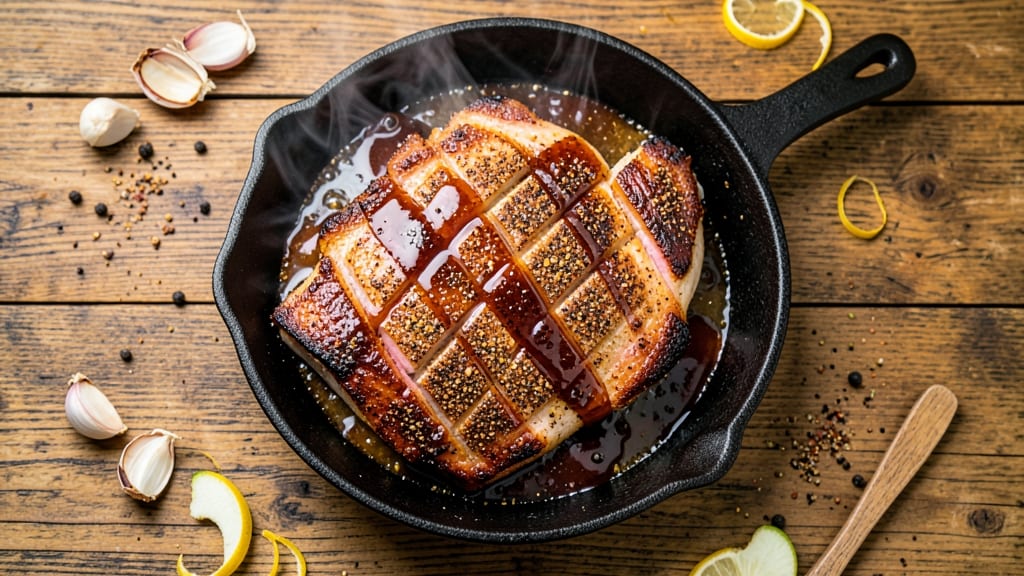
This Weber pork belly recipe delivers restaurant-quality results with smoky crispy bark and tender pink centers—exactly what makes grilled pork belly unforgettable. I perfected this technique after years of experimenting with Weber grills, where temperature control and indirect heat transform tough cuts into melt-in-your-mouth perfection.
The secret lies in slow cooking and precise timing to achieve that coveted contrast between crispy exterior and juicy interior.
What sets this recipe apart is the balance of traditional grilling methods and modern efficiency. You'll start with a simple salt cure that enhances natural flavors, then move to the grill where indirect heat works its magic.
The Weber's ability to maintain consistent temperatures is key—no more guessing or uneven cooking. I've tested this method countless times, and it never fails to impress, even with the most skeptical eaters.
By the time you're done, you'll have pork belly slices that are crispy enough to stand alone but tender enough to melt in your mouth. The smoky aroma from the Weber grill infuses every bite, creating a dish that's both hearty and elegant.
This technique works equally well for weeknight dinners or special occasions, making it versatile enough for any gathering.
Pair it with simple sides like grilled vegetables or a fresh salad to let the pork belly shine. The beauty of this recipe is that it transforms a simple ingredient into something extraordinary with minimal effort. Let's get started on creating your perfect Weber pork belly experience.
Ingredients for pork belly recipe weber
Here's what you need to transform simple pork belly into Weber grill perfection.
| Ingredient | Amount | Notes |
|---|---|---|
| Pork Belly 🥓 | 2 lb | Skin-on, cut into 1-inch thick slices |
| Kosher Salt 🧂 | ½ cup | Diamond Crystal preferred, coarse grain |
| Brown Sugar 🍯 | 2 tbsp | Light or dark, packed |
| Five-Spice Powder 🌶️ | 1 tsp | Toasted for depth of flavor |
| Garlic Cloves 🧄 | 4 cloves | Minced, fresh preferred |
| Fresh Ginger 🌿 | 1 tbsp | Grated, freshly grated preferred |
| Olive Oil 🫒 | 2 tbsp | Extra-virgin for richness |
| Honey 🍯 | 1 tbsp | For glaze, any variety |
| Lemon Juice 🍋 | 1 tbsp | Freshly squeezed |
| Black Peppercorns 🌶️ | 1 tsp | Freshly cracked, coarse |
| Charcoal Briquettes 🔥 | 1 package | Weber lump charcoal preferred |
| Apple Cider Vinegar 🍎 | 1 tbsp | For marinade balance |
| Fresh Rosemary 🌿 | 2 sprigs | For aroma, stems removed |
| Fresh Thyme 🌿 | 2 sprigs | For herbaceous notes |
The pork belly makes all the difference—look for thick slices with a good layer of fat. Costco or local butchers usually carry the best cuts, often pre-sliced for convenience. If you're buying whole, ask for it cut into 1-inch thick slices. The skin should be intact and unbroken for that perfect crispy bark. For the salt, Diamond Crystal is ideal—it's coarser and clings better than table salt. I always grab extra because it's the backbone of this recipe. The five-spice powder? Penzeys or bulk bins at Whole Foods have great options, but any quality brand works.
No fresh ginger? Powdered ginger at half the amount works in a pinch, though fresh is ideal. Running short on rosemary? Thyme alone can carry it, but I'd still recommend both for that classic Weber aroma. The honey should be pure, no additives—local honey from farmers markets adds an extra layer of flavor. For the charcoal, Weber lump charcoal lights faster and burns hotter than briquettes, giving you better temperature control. If you're using briquettes, soak them in water for 30 minutes before grilling to extend burn time. The pork belly marinade can sit for up to 24 hours, but I usually do it overnight for maximum flavor penetration.
This recipe reheats beautifully—just wrap the slices in foil and warm in a 350°F oven for 10-15 minutes. Store leftovers in an airtight container in the fridge for up to 5 days, but honestly, it's best enjoyed fresh. The crispy bark loses its magic after a day or two, so plan to eat it soon. For make-ahead prep, you can cure the pork belly up to 2 days ahead and grill it fresh. The secret to maintaining that perfect texture is keeping it wrapped in foil in the fridge until you're ready to cook. Trust me, the wait is worth it.
Why You'll Love This Recipe
- Same recipe, different vibes: toss it on the grill for summer BBQs or slow-cook it indoors when it’s cold. Honestly, the only thing changing is the occasion, not the effort.
- One-Pan Magic: I swear by this—just salt, sugar, and spices on the belly, then let the Weber do the work. No flipping, no fussing, just crispy perfection with zero extra pans.
- Flavor Bomb: That five-spice powder? It’s the secret weapon—warm, slightly sweet, with garlic cutting through like a knife. The brown sugar caramelizes into a sticky, addictive crust that’ll have you licking your fingers.
- Weeknight or Weekend: Same recipe, different vibes: toss it on the grill for summer BBQs or slow-cook it indoors when it’s cold. Honestly, the only thing changing is the occasion, not the effort.
Step-by-step instructions for smoky pork belly on Weber
Here's how to transform your pork belly into restaurant-quality crispy bark with tender pink centers.
Prepare the Dry Rub and Cure the Pork Belly
In a small bowl, combine the 0.5 cup kosher salt, 2 tablespoons brown sugar, 1 teaspoon five-spice powder, 1 teaspoon cracked black peppercorns, and 1 tablespoon freshly grated ginger. Mix thoroughly until evenly distributed. This dry rub will create the perfect balance of saltiness, sweetness, and aromatic spices that penetrate the meat.
Pat the 2 lb pork belly completely dry with paper towels—this is crucial for crispy bark later. Spread the dry rub evenly over all surfaces, pressing it firmly into the meat so it adheres well. Place the rubbed pork belly on a wire rack set over a baking sheet (this allows air circulation for even curing). Cover loosely with plastic wrap and refrigerate for 24 hours—this curing process helps draw out moisture for that coveted crispy exterior.
Set Up Your Weber for Indirect Heat
While the pork belly cures, prepare your Weber grill for indirect cooking. Arrange the 1 package charcoal briquettes on one side of the grill, leaving the other side empty. This creates a two-zone heat setup: hot coals for searing and a cooler zone for slow cooking. Close the lid and let the grill preheat for 15-20 minutes until the temperature reaches 250°F.
Check the heat distribution by placing your hand about 6 inches above the grill—you should feel moderate heat on the empty side and intense heat near the coals. This temperature control is key to achieving both crispy bark and juicy meat. I like to use a grill thermometer for accuracy, especially when working with pork belly that requires precise temperature management.
Sear the Pork Belly for Crispy Bark
Remove the pork belly from the refrigerator and let it sit at room temperature for 30 minutes before cooking. This ensures even cooking throughout. Once your Weber reaches 250°F, place the pork belly skin-side down directly over the hot coals. Close the lid and let it sear for 15 minutes—you'll hear the fat begin to render and the skin start to crisp up.
After 15 minutes, carefully flip the pork belly using tongs and move it to the cooler side of the grill. The skin should now be golden brown with visible crisping. If any spots aren't browned, you can briefly move it back over the coals for another 2-3 minutes, but be careful not to burn it. This initial searing step is what creates that irresistible crispy bark we're after.
Cook Low and Slow for Juicy Perfection
Continue cooking the pork belly on the cooler side of the grill, maintaining the 250°F temperature. Cook for 2-2.5 hours, flipping occasionally to ensure even cooking. The internal temperature should reach 195-203°F—this is where the magic happens as the collagen breaks down into gelatin, creating that melt-in-your-mouth texture.
Here's the thing—don't rush this step. The pork belly needs time to render its fat and develop that beautiful pink center. I check the temperature with a meat thermometer inserted into the thickest part of the meat. When it reaches 195°F, it's ready to finish. If you're using a probe thermometer, you'll see the temperature stall around 160°F before continuing to rise—this is normal and expected.
Glaze and Finish for Extra Flavor
Once the pork belly reaches the target temperature, remove it from the grill and let it rest for 10 minutes before glazing. In a small bowl, whisk together the 2 tablespoons olive oil, 1 tablespoon honey, 1 tablespoon lemon juice, 1 tablespoon apple cider vinegar, and the 4 minced garlic cloves. Brush this mixture generously over the pork belly, covering all surfaces.
Return the pork belly to the grill over the hot coals for 5-7 minutes, basting with the remaining glaze. The skin should become even more crispy and caramelized, with a glossy sheen from the glaze. Meanwhile, heat a skillet over medium heat and add the 2 sprigs rosemary and 2 sprigs thyme. Toast them for 30 seconds until fragrant, then use them to garnish the finished pork belly.
Pro Tips For Making Pork Belly Recipe Weber
- CRACK THE BELLY FIRST: Before you even think about seasoning, score the fat cap in a diamond pattern with a sharp knife—deep enough to hit the meat but not tear through. I used to skip this, and my pork belly would render into a greasy mess instead of crispy perfection. The cuts let the fat escape cleanly, so you’re left with that golden lattice crust we’re all after.
- SALT THE NIGHT BEFORE: Lay the pork belly fat-side up on a tray, pat it dry, then coat it heavily with kosher salt (about 1.5 tsp per pound). Let it sit uncovered in the fridge overnight. Sounds weird, but it works: the salt breaks down the proteins, and the meat stays juicier when you sear it. I know, I know—you’ll forget and do it last-minute. Just do it anyway.
- DON’T RUSH THE SEAR: Start your Weber smoking hot—like, if you held your hand near it, you’d yelp in under two seconds. Sear the pork belly fat-side down for a solid 10 minutes before flipping. The goal isn’t just browning; you want that fat to render fast so the meat cooks through evenly. After flipping, drop the heat to medium and let it cook another 20-25 minutes, covered with foil. Patience here makes all the difference.
- GARLIC PASTE > WHOLE CLOVES: Skip the hassle of mincing garlic and make a quick paste with 4-5 cloves, a splash of water, and a pinch of five-spice powder. Spread it generously over the meat before adding the brown sugar glaze—it sticks better and cooks down evenly. I was skeptical until I tried it: no burning cloves, just deep flavor that caramelizes right into the crust. (Pro move: add a teaspoon of honey to the paste if you’re feeling fancy.)
Perfect pairings for this pork belly recipe weber
Side Dish Harmony
A simple garlic green bean salad with toasted almonds brings freshness to cut through the richness of pork belly—just toss 1 lb green beans with 2 tbsp olive oil, 3 minced garlic cloves, and zest of 1 lemon.
The crunch contrasts perfectly with the pork's crispy bark. 🥗
For a heartier option, roasted sweet potato wedges add natural sweetness. Toss 2 lbs sweet potatoes in 2 tbsp olive oil, 1 tsp smoked paprika, and ½ tsp salt, then roast at 425°F for 25 minutes. The caramelized edges complement the pork's smoky depth.
Beverage Pairings
A dry Riesling from Germany—like Dr. Loosen Blue Slate—balances the pork's richness with its crisp acidity and subtle honeyed notes. The wine's brightness mirrors the glaze's sweetness while cleansing your palate between bites. 🍷
For beer lovers, a Belgian-style witbier like Hoegaarden or Stella Artois works wonders. The coriander and citrus notes in the beer echo the pork's five-spice rub, creating a refreshing contrast. Serve it chilled for the best experience.
Garnish Game-Changers
Fresh cilantro leaves scattered over the sliced pork belly add a bright, herbal finish—just 4-5 sprigs torn by hand. The vibrant green color also makes the dish look restaurant-worthy. I always keep a small pot of cilantro growing on my windowsill for this exact purpose. 🌿
For an unexpected twist, drizzle pickled red onions (quick-pickle ½ red onion in ¼ cup apple cider vinegar and 1 tbsp sugar for 20 minutes) over the top. The tangy crunch cuts through the fat and adds a pop of color that makes every bite exciting.
Make-Ahead Magic
Prep your glaze ingredients the night before and store them in a small airtight container in the fridge. This saves time on cook day and ensures you're ready to glaze as soon as the pork belly is done. The flavors meld beautifully overnight. ⏰
Slice the pork belly into ¼-inch thick pieces right before serving to maintain that perfect crispy texture. Store any leftovers in an airtight container with a paper towel on top to absorb excess moisture—this keeps the slices crispy for up to 3 days in the fridge.
Nutrition facts
Frequently asked questions
Why does my Weber pork belly turn out greasy instead of crispy?
This happens when you don't properly render the fat during cooking. First, make sure your pork belly is completely dry before applying the rub. Then, during the initial sear, position it skin-side down directly over the hot coals for 15 minutes—this renders the fat and creates that golden crispy bark. If it's still greasy after cooking, your grill temperature might be too low. Aim for 250°F on the cooler side and maintain it consistently.
Can I use a Weber Smokey Mountain instead of a regular Weber grill?
The Smokey Mountain works perfectly for this recipe. The key difference is that it maintains heat better for longer cooking sessions, which is ideal for pork belly's slow cook. Just follow the same two-zone setup: place the coals on one side and cook indirectly. The built-in water pan helps regulate temperature, making it even easier to maintain that 250°F target.
How do I know when the pork belly is fully cooked?
Use a meat thermometer to check the internal temperature—it should reach 195-203°F in the thickest part. The probe should read steady, not fluctuating. You'll also notice the meat becomes fork-tender and pulls away from the bone easily. Pro tip: The temperature will stall around 160°F before rising again—this is normal and expected as the collagen breaks down.
What's the best way to store and reheat leftover pork belly?
Store slices in an airtight container with a paper towel on top to absorb excess moisture. Reheat in a 350°F oven for 10-15 minutes wrapped in foil to maintain crispiness. For the microwave, use 20-second bursts on low power—just enough to warm through without losing texture. Leftovers keep well for 3-4 days, but the bark is best enjoyed fresh.
Can I make this recipe with thinner pork belly slices?
Thinner slices (½-inch or less) will cook faster but may not develop the same crispy bark. For best results, stick to 1-inch thick slices—this thickness gives you the perfect balance of crispy exterior and tender interior. If you must use thinner cuts, reduce the cooking time on the cooler side to 1.5-2 hours and monitor closely with a thermometer.