
Main Courses
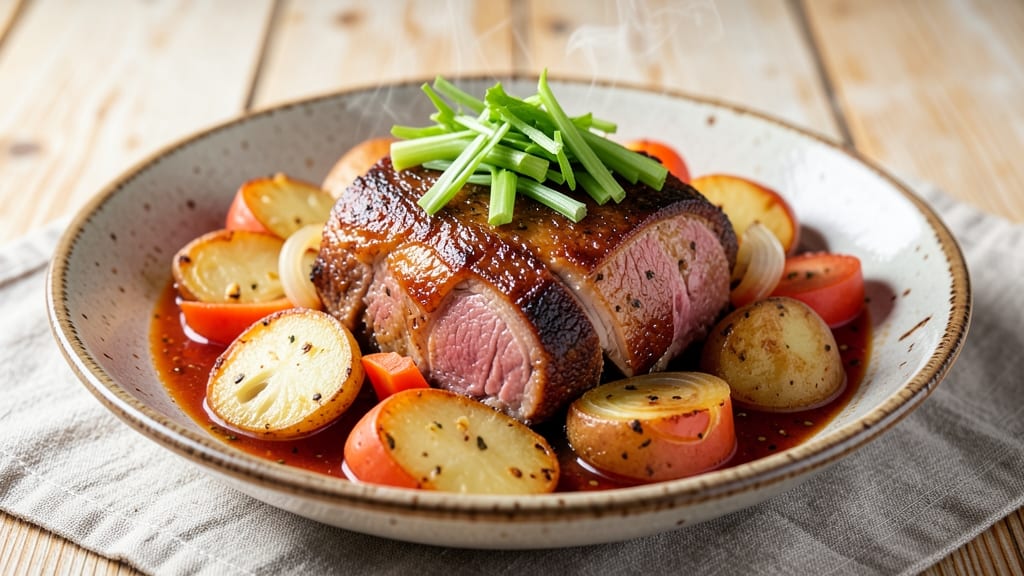
This Batangas-style pork afritada delivers restaurant-quality tenderness with crispy celery crowns that elevate every bite. 🌟 The secret lies in slow-braising with vinegar and tomatoes until the pork melts in your mouth while the vegetables develop that signature caramelized texture.
I first discovered this version at a local market in Batangas where the vendor swore by the "three-minute fry" technique for the celery—trust me, it makes all the difference.
The recipe builds on traditional Filipino flavors but with a regional twist from Batangas: a touch more vinegar for tang and a hint of sweetness from caramelized onions. You'll work with simple ingredients—pork shoulder, potatoes, carrots, and green beans—but the technique transforms them into a dish that's hearty yet balanced.
The key is patience: letting the pork braise until fork-tender while the vegetables develop their signature crispy edges.
What you'll end up with is a dish that's rich in flavor but never heavy, with tender pork that practically falls apart and vegetables that are perfectly cooked—crispy on the outside, tender within.
The aroma alone will have everyone gathering around your table, and the first bite delivers that perfect balance of tangy, savory, and slightly sweet that defines Batangas-style cooking.
This recipe is perfect for family dinners, potlucks, or when you want to impress guests with authentic Filipino flavors without spending hours in the kitchen. The best part? Leftovers reheat beautifully, making it ideal for meal prep. Let's get cooking!
Ingredients for pork afritada recipe batangas style
Sixteen ingredients transform into Batangas-style pork afritada with crispy celery crowns and melt-in-your-mouth pork.
| Ingredient | Amount | Notes |
|---|---|---|
| Pork Shoulder 🥩 | 2 ½ lb | Bone-in for maximum flavor |
| Yellow Onions 🧅 | 2 whole | Thinly sliced for caramelization |
| Garlic Cloves 🧄 | 6 cloves | Minced for aromatic base |
| Celery Stalk 🥬 | 3 whole | Cut into 1-inch pieces |
| Russet Potatoes 🥔 | 2 lb | Cut into 2-inch chunks |
| Carrots 🥕 | 4 whole | Cut into 1-inch rounds |
| Green Beans 🌱 | 1 lb | Trimmed and halved |
| Canned Tomato Sauce 🍅 | 2 cups | San Marzano preferred |
| White Vinegar 🍶 | ½ cup | For signature tang |
| Olive Oil 🫒 | ½ cup | Extra-virgin for richness |
| Bay Leaves 🌿 | 2 whole | For aromatic depth |
| Black Peppercorns 🌶️ | 1 tsp | Freshly cracked preferred |
| Salt 🧂 | 1 ½ tsp | Diamond Crystal preferred |
| Sugar 🍚 | 1 tbsp | Balances acidity |
The pork shoulder is non-negotiable here—bone-in for that deep, slow-braised flavor. Ask your butcher for a well-marbled cut if you're buying whole. For the celery, that three-minute fry is everything: cut into thick rounds, fry in olive oil until golden brown, then set aside. Trader Joe's often has pre-cut celery crowns if you're short on time, but fresh is always better. The Russet potatoes should be firm and starchy—avoid waxy varieties like Yukon Golds for this dish. And those San Marzano tomatoes? Worth every penny for that sweet, rich sauce.
No white vinegar? Apple cider vinegar works in a pinch, but the flavor profile shifts slightly. Running low on bay leaves? Dried thyme at half the amount gives a similar earthy note. The sugar might seem odd, but it's essential to balance the vinegar's sharpness—brown sugar works too. For the celery fry, if you don't have a deep pan, a heavy skillet works—just make sure the oil is hot enough to get those crispy crowns. And if you're using pre-cut celery, pat it very dry first to prevent sogginess.
This dish tastes even better the next day as flavors meld. Store in an airtight container for up to 5 days in the fridge, or freeze portions for 3 months. I always make a double batch—one for dinner, one for lunches. The vegetables stay crispy when reheated gently, and the pork becomes even more tender. For serving, a sprinkle of fresh cilantro or chopped parsley adds that restaurant-quality finish. Leftovers reheat beautifully in a skillet with a splash of water or broth.
Why You'll Love This Recipe
- One-Pot Magic: I swear by this—just toss the pork, onions, garlic, and celery into one pot, simmer, and let it work its own charm. No fancy techniques, no last-minute grocery runs for obscure herbs.
- Garlic Bomb: That Batangas-style slow cook lets the garlic and onions caramelize into something ridiculous—sweet, deep, and clinging to every bite like a hug. The potatoes soak up all the flavor, turning soft but never mushy.
- Leftovers That Win: Between us, this dish tastes better the next day. The flavors meld into this rich, comforting stew that’s perfect for lunchboxes or reheating with rice—no one will guess it’s yesterday’s dinner.
- Budget Hero: Pork shoulder stretches for miles, and potatoes fill you up without breaking the bank. Honestly, I make this when I’m pinching pennies, and my family never complains—just eats seconds.
Step-by-step instructions for pork afritada Batangas style
Here's how to transform tough pork shoulder into melt-in-your-mouth bites with those signature crispy celery crowns.
🔥 Step 1: Sear the Pork Shoulder for Deep Flavor
Heat 0.25 cup of the olive oil in a heavy Dutch oven over medium-high heat until shimmering. Cut the 2.5 lb pork shoulder into 2-inch chunks and pat them completely dry with paper towels—this ensures maximum browning. Working in batches, add the pork and sear for 3-4 minutes per side until deeply golden brown and caramelized.
Here's the thing—don't crowd the pan. You want that beautiful crust to form, not steam. If needed, work in two batches. As you sear, you'll notice the pork releases juices that turn golden in the pan—this is where all the flavor develops. Transfer the browned pork to a plate and set aside.
🍳 Step 2: Build the Aromatic Base with Celery Crowns
In the same Dutch oven, add the remaining 0.25 cup olive oil and increase heat to medium-high. Add the 3 whole celery stalks cut into 1-inch pieces and cook for 5-6 minutes until they develop golden brown edges—these will become your crispy celery crowns. Remove them with tongs and set aside on a plate.
To the same pot, add the 2 whole yellow onions thinly sliced and 6 cloves garlic minced. Cook for 4-5 minutes until the onions are translucent and the garlic is fragrant but not browned. Here's where it gets good—the onions should be soft but still hold their shape, creating that perfect base for the braise.
🥘 Step 3: Develop the Vinegar-Braised Sauce
Reduce heat to medium-low and add 2 cups canned tomato sauce, 0.5 cup white vinegar, 1 tbsp sugar, 1.5 tsp salt, and 1 tsp black peppercorns. Stir well to combine, then add the 2 whole bay leaves. Bring to a gentle simmer and let it cook uncovered for 10 minutes to allow the vinegar to mellow and the flavors to meld.
This is the moment that matters: the vinegar's sharpness should soften while the sugar balances the acidity. You'll smell that characteristic tang developing—this is the signature flavor of Batangas-style afritada. The sauce should reduce slightly but still coat the back of a spoon. Return the seared pork and crispy celery to the pot now.
⏰ Step 4: Braise Until Fork-Tender with Vegetables
Add the 2 lb russet potatoes cut into 2-inch chunks, 4 whole carrots cut into 1-inch rounds, and 1 lb green beans trimmed and halved to the Dutch oven. Bring everything to a gentle simmer, then reduce heat to low. Cover and let it cook for 1.5 hours, stirring occasionally, until the pork is fork-tender and pulls apart easily.
Here's the key to perfect texture: the vegetables should be tender but still hold their shape—potatoes should be fork-tender with slight resistance, carrots should be soft but not mushy, and green beans should be bright green and crisp-tender. If the liquid reduces too much before the pork is tender, add ½ cup water and continue cooking.
🔥 Step 5: Finish with Crispy Celery Crowns
Once the pork is tender, increase heat to medium-high and uncover the pot. Let the liquid reduce by half, about 10-15 minutes, until the sauce thickens slightly and clings to the pork and vegetables. Return the crispy celery crowns to the pot and toss everything together, letting them crisp up again from the residual heat.
Taste and adjust seasoning—you might need a touch more salt or a splash of vinegar to balance the flavors. Serve immediately over steamed rice, making sure each bite includes that perfect combination of tender pork, crispy celery, and rich tomato-vinegar sauce. The contrast of textures and flavors is what makes this dish truly special.
Pro Tips For Making Pork Afritada Recipe Batangas Style
- CRISP THE POTATOES FIRST: The potatoes in Batangas-style afritada should be firm, not mushy—so parboil them for exactly 3 minutes before adding to the stew. I used to skip this and ended up with gluey spuds that turned the sauce into soup. A quick rinse after boiling keeps them from overcooking later.
- SWEAT THE AROMATICS LOW: Don’t rush the onion, garlic, and celery—cook them on medium-low heat until the onions turn translucent and the garlic just starts to golden (about 8-10 minutes). After burning two batches, I learned: patience here builds flavor. If they brown too fast, you’ll taste bitterness, not depth.
- USE COLD PORK SHOULDER: Cut the pork into 2-inch chunks and let them sit in the fridge for 15 minutes before searing. Cold meat releases juices more evenly, and you’ll get a better crust when you brown it. I was skeptical until I tried it—now my pork stays juicy instead of drying out mid-stew.
- SAVE THE SOAKED GARLIC: Peel and soak 2-3 garlic cloves in warm water for 10 minutes before mincing—this removes harshness and makes them melt into the sauce smoothly. I skip this when I’m lazy, but the dish is noticeably better when I don’t. Reserve the soaking water too; a splash at the end adds a subtle sweetness.
Dietary considerations for this recipe
Vegetarian Adaptation
Swap the pork shoulder for 2.5 lbs extra-firm tofu pressed for 30 minutes to remove excess water. Cut into 2-inch cubes and pan-fry until golden brown before adding to the braise.
Use 1 cup vegetable broth instead of water to maintain depth of flavor. The tofu absorbs the vinegar-tomato sauce beautifully, creating a satisfying texture contrast with the crispy celery crowns. 🌱
Gluten-Free Considerations
This recipe is naturally gluten-free since it relies on fresh ingredients and simple pantry staples. Just ensure your tomato sauce is labeled gluten-free (check for hidden additives) and use certified gluten-free soy sauce if adding any for extra umami.
The vinegar and spices are typically safe, but always verify labels if using store-bought seasoning blends. 🌾
Dairy-Free Note
No dairy is required in this dish, making it naturally dairy-free. The rich flavors come entirely from the pork, vegetables, and vinegar-tomato sauce. If you're serving to guests with dairy sensitivities, simply omit any optional garnishes like sour cream or cheese.
The crispy celery crowns and tender vegetables shine on their own. 🥛
Allergen-Friendly Tips
For nut allergies, this recipe poses no risk since it contains no nuts. If you're accommodating shellfish allergies, ensure your vinegar and spices are processed in a shellfish-free facility.
For egg allergies, no eggs are used in the base recipe—only in optional garnishes like fried egg toppings. Always double-check ingredient labels, especially for canned goods. 🚫
Protein Swaps
Looking for alternative proteins? Try chicken thighs (bone-in for flavor) or firm white fish like cod (add after 10 minutes of braising to avoid overcooking). For plant-based options, hearts of palm or mushrooms (like oyster or portobello) hold up well in the braising liquid.
Each swap will change the texture slightly but maintains the dish's signature tangy-sweet profile. 🍗
Low-Sodium Version
Reduce the salt to 1 tsp and boost flavor with 1 tbsp fish sauce or 2 tbsp soy sauce**> (check for low-sodium options). Use low-sodium tomato sauce and omit added salt entirely if using fresh tomatoes.
The vinegar and caramelized onions will still provide plenty of depth. Taste frequently during braising to adjust seasoning without over-salting. 🧂
Nutrition facts
Frequently asked questions
Why does Batangas-style afritada use more vinegar than other versions?
The extra vinegar in Batangas-style creates that signature tangy brightness that sets it apart from other regional versions. The acidity tenderizes the pork while balancing the sweetness from caramelized onions and sugar. This version uses 0.5 cup to cut through the richness and keep the sauce vibrant.
Can I substitute bone-in pork chops for pork shoulder?
Not ideal—the bone-in pork shoulder is key for deep flavor and tenderness. If you must use chops, opt for bone-in pork loin chops (about 1.5 lbs) and reduce braising time to 45 minutes. The meat will be less fatty but still flavorful, though the sauce may be thinner.
What's the secret to crispy celery crowns?
Three things: thick cuts (1-inch pieces), hot oil, and quick cooking. Fry in medium-high heat for exactly 5-6 minutes until golden brown. Remove immediately—they'll crisp up again when tossed back in at the end.
How do I know when the pork is fully tender?
The pork should pull apart easily with two forks and have no pink center. For shoulder cuts, this takes 1.5 hours of braising. If you're in a hurry, use a meat thermometer—it should read 203°F in the thickest part.
Can I make this in a slow cooker?
Yes, but with adjustments: Sear the pork and celery crowns first, then transfer everything to the slow cooker. Cook on low for 6-7 hours or high for 4 hours. The sauce will be thinner, so reduce it on the stovetop before serving.