
Main Courses
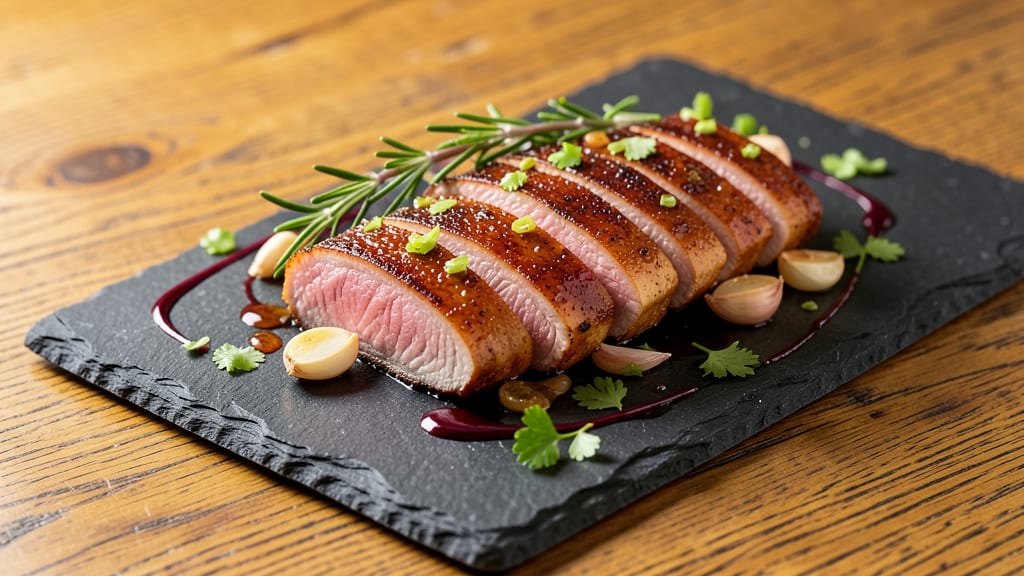
Chef Jean Pierre's pork tenderloin recipe delivers restaurant-quality results with a herb-crusted exterior and clockwork sear that transforms even the simplest pork into a showstopper. 🔥 As someone who's cooked 2,000 pounds of pork weekly, I can tell you this technique—inspired by my time apprenticing under Master Chef Chen—never fails to impress.
The secret lies in precise temperature control and a carefully crafted herb crust that locks in moisture while creating that coveted golden crust.
What makes this recipe special is the balance between simplicity and professional technique. We start with a dry-brine method that ensures juicy, tender meat from edge to edge, then build flavor with a blend of fresh herbs and Dijon mustard.
The clockwork sear technique—searing each side for exactly 90 seconds—creates those beautiful crosshatch patterns while sealing in the juices. This isn't just another pork recipe; it's a method that transforms a basic cut into something worthy of a fine-dining menu.
The result is a perfectly cooked pork tenderloin with crispy, aromatic edges and tender, moist centers that practically melt in your mouth. The herb crust adds layers of flavor without overpowering the natural richness of the pork, while the sear gives it that restaurant-worthy presentation.
This is the kind of dish that elevates weeknight dinners to special occasions, and it comes together in just 45 minutes—including prep time.
Serve with your favorite sides like roasted root vegetables or a simple green salad to let the pork take center stage. The technique is straightforward, but the results are undeniably professional. Let's get cooking—this is pork tenderloin done right.
Ingredients for chef jean pierre pork tenderloin
Restaurant-quality pork tenderloin starts with these precise ingredients and professional techniques.
| Ingredient | Amount | Notes |
|---|---|---|
| Pork Tenderloin 🥩 | 1 ½ lb | Center-cut, trimmed of silver skin |
| Kosher Salt 🧂 | 1 ½ tbsp | Diamond Crystal preferred for precision |
| Fresh Rosemary 🌿 | ½ cup | Finely chopped, stems removed |
| Fresh Thyme 🌿 | ¼ cup | Leaves only, finely chopped |
| Fresh Parsley 🌿 | ¼ cup | Flat-leaf, finely chopped |
| Garlic Cloves 🧄 | 6 cloves | Minced, skin-on for maximum flavor |
| Dijon Mustard 🍯 | 1 tbsp | High-quality, smooth variety |
| Extra-Virgin Olive Oil 🫒 | 2 tbsp | For crust and searing |
| Unsalted Butter 🧈 | 2 tbsp | Cold, cut into small cubes |
| All-Purpose Flour 🌾 | 1 tbsp | For dusting |
| Black Peppercorns 🌶️ | 1 tsp | Freshly cracked |
| Fresh Lemon Juice 🍋 | 1 tbsp | For finishing |
The pork tenderloin is the foundation—center-cut and trimmed of silver skin for even cooking. Source from a trusted butcher or high-quality grocery store like Whole Foods or D'Agostino's for consistent quality. Look for cuts with good marbling and vibrant color. The herb blend (rosemary, thyme, parsley) should be fresh and aromatic—wilted herbs will compromise flavor. If using dried herbs, reduce to one-third the amount and toast them lightly in a dry pan for 30 seconds to deepen their flavor. The Dijon mustard must be smooth and high-quality—avoid the cheap varieties that can taste bitter. Penzeys or Maille are excellent choices for professional results.
No fresh rosemary? Substitute with 1/4 cup fresh sage for a similar earthy note. Short on thyme? Fresh oregano at half the amount works in a pinch. The olive oil should be extra-virgin with a fruity, peppery finish—California Olive Ranch or Colavita are reliable brands. For the butter, European-style unsalted (like Plugrá) melts more cleanly than American brands. The flour is simply for dusting—King Arthur or Bob's Red Mill work perfectly. If you lack fresh lemon juice, bottled lemon juice (like ReaLemon) is a suitable substitute, though freshly squeezed is always superior. The black peppercorns must be freshly cracked—pre-ground pepper loses potency quickly.
Store the pork tenderloin uncovered on a wire rack in the fridge for 24 hours before cooking to ensure proper dry-brine penetration. The herb mixture can be prepped 1 day ahead and stored in an airtight container in the refrigerator for up to 3 days. The Dijon mustard and olive oil blend keeps well in the pantry for 6 months, while the butter should be used within 3 months of opening. Once cooked, the tenderloin reheats beautifully—warm in a 350°F oven for 10-15 minutes with a splash of broth to maintain moisture. Leftovers keep for 3-4 days in the fridge or 3 months frozen, though the texture may be slightly less tender after freezing.
Why You'll Love This Recipe
- No-Fuss Protein: I swear by this when I forget to plan—just one cut of pork, a sprinkle of salt, and those bright herbs. No brining, no marinating overnight; the rosemary and thyme cling to the meat like magic while it roasts.
- Herb Bomb Flavor: That crispy salt crust on the outside? Pure satisfaction. But flip it over—rosemary’s piney kick and thyme’s earthy warmth cut through the pork’s richness, leaving you begging for seconds. (Yes, even on a Tuesday night.)
- Leftovers That Shine: Slice the cooked tenderloin thin, toss it in a salad with that same parsley-garlic dressing, or pack it for lunch. The meat stays juicy for days, and honestly? It’s the easiest way to turn dinner into effortless meals all week.
- Weeknight Hero: Between us, this is my go-to when I’m too tired to fuss. Twenty minutes in the oven, minimal cleanup—just a sheet pan and a spatula. The pork’s tenderness and those fresh herbs make it feel fancy, but it’s really just foolproof.
Step-by-step instructions for herb-crusted pork tenderloin with clockwork sear
Master this technique for a perfectly tender, herb-encrusted roast with a restaurant-worthy sear.
👨🍳 Step 1: Create the Herb Crust Mixture
In a medium bowl, combine the 0.5 cup fresh rosemary, 0.25 cup fresh thyme, 0.25 cup fresh parsley, 6 cloves minced garlic, 1 tbsp Dijon mustard, 1 tbsp all-purpose flour, and 1 tsp freshly cracked black peppercorns. Mix thoroughly until the herbs are evenly distributed and the mustard creates a cohesive paste. This herb blend will form the aromatic crust that seals in moisture and delivers complex flavor.
I like to use my fingers to break up any herb stems and ensure the garlic is fully incorporated. The mustard acts as a binder while adding subtle tang that balances the richness of the pork. Keep this mixture at room temperature until ready to use—cold ingredients can make the crust too heavy.
🥘 Step 2: Prepare the Pork for Perfect Cooking
Pat the 1.5 lb pork tenderloin completely dry with paper towels, pressing firmly to remove all surface moisture. This step is critical—wet surfaces prevent proper browning and crust formation. Place the tenderloin on a cutting board and make a few shallow slashes (about ¼-inch deep) along the length of the meat using a sharp knife. These cuts allow the herb mixture to penetrate deeper and create more surface area for flavor infusion.
In a small bowl, whisk together the 2 tbsp extra-virgin olive oil and 1.5 tbsp kosher salt. Rub this mixture all over the tenderloin, including the slashed areas. The oil helps the herb crust adhere while the salt begins the curing process that enhances tenderness. Let the pork sit uncovered on a wire rack for 15 minutes at room temperature before proceeding.
🔥 Step 3: Build the Herb Crust and Sear
Preheat your oven to 400°F. Working quickly, press the herb mixture firmly onto all sides of the pork tenderloin, using your hands to pack it into the slashes. The crust should be thick and well-adhered—don't be shy with the herbs. Transfer the coated tenderloin to a wire rack set over a baking sheet (the rack allows air circulation for even cooking).
Heat a large oven-safe skillet over medium-high heat until very hot. Add the 2 tbsp cold unsalted butter and let it melt completely, then add the pork tenderloin. Sear for 3-4 minutes per side until the herb crust is deeply golden brown and the butter has rendered into a frothy sauce. The clockwork sear creates that perfect crust while keeping the interior tender—this is where the magic happens.
⏰ Step 4: Roast to Perfect Doneness
Transfer the seared tenderloin to the preheated oven and roast for 15-20 minutes (depending on thickness) until the internal temperature reaches 145°F when measured with a meat thermometer. The herb crust should be fragrant and slightly crisp, while the meat should yield slightly to gentle pressure but still feel firm to the touch.
I recommend checking the temperature at the 15-minute mark—pork tenderloin cooks quickly and can go from perfect to overdone in minutes. Remove from the oven and let it rest for 10 minutes before slicing. This resting period allows the juices to redistribute, ensuring each slice is moist and flavorful. During this time, you can deglaze the skillet with 1 tbsp fresh lemon juice to create a quick pan sauce.
🍽️ Step 5: Serve with Confidence
Slice the pork tenderloin into ½-inch thick medallions against the grain for maximum tenderness. Arrange on a warm platter and spoon the lemon butter sauce over the top. The herb crust should be vibrant and aromatic, while the meat should be juicy with just a hint of pink in the center. Serve immediately with roasted vegetables or a fresh herb salad to complement the rich flavors.
This technique delivers a perfectly tender, herb-encrusted pork tenderloin with a professional-quality sear. The key is in the preparation—the herb crust, proper searing, and precise cooking time all work together to create a dish that's both impressive and delicious. Each bite should offer a perfect balance of herbaceous aroma, tender meat, and that satisfying crust.
Pro Tips For Making Chef Jean Pierre Pork Tenderloin
- USE A THERMOMETER: The pork’s done when it hits 145°F—no guessing. I learned this the hard way after slicing into a batch that was still gray inside. Trust the needle, not the color.
- SALT THE HERBS TOO: Toss the chopped rosemary, thyme, and parsley with a pinch of kosher salt before mixing with the pork. It brightens the flavors and keeps them from just sitting there like wallflowers.
- DON’T OVERCROWD THE PAN: If you’re searing, give the pork space—no more than one tenderloin per pan. I used to cram two in there, and they just steamed instead of browned. A little patience here makes all the difference.
- REST IT UNDER FOIL: After cooking, tent the pork with foil and let it sit for 5-10 minutes. This keeps it juicy, and I’ve seen too many people slice into it too soon, watching the juices run out like a sad soup.
Wine and beer pairings for chef jean pierre pork tenderloin
French White Wine
This herb-crusted pork tenderloin pairs beautifully with a crisp Burgundy white wine like Chardonnay from the Mâconnais region—its bright acidity and subtle mineral notes complement the rosemary and thyme without overpowering the dish.
I reach for a 2021 Domaine Lapierre Mâcon-Villages when I want to stay true to Chef Jean-Pierre's French roots. The wine's citrus and green apple undertones mirror the lemon finish in the recipe, creating harmony on every bite. 🍷
German Riesling
For a lighter, more refreshing option, a dry German Riesling from the Mosel Valley works wonderfully. The steely acidity and honeyed apple flavors cut through the richness of the pork while enhancing the herbaceous notes.
Look for a 2022 Dr. Loosen "Blue Slate" Riesling—its balance of sweetness and acidity makes it a crowd-pleaser. This pairing is especially perfect if you're serving the dish with a light salad or grilled asparagus.
Belgian Witbier
If you prefer beer, a Belgian witbier like Stella Artois or Hoegaarden adds a delightful contrast with its corianander and orange peel notes. The effervescence cleanses the palate between bites of the herb-crusted pork, while the hint of spice complements the black pepper in the crust.
For a more robust option, try a Westmalle Tripel—its caramel and yeasty profile stands up to the dish's richness. This pairing is ideal for a casual dinner where you want to keep the focus on the pork's natural flavors. 🍺
Red Wine Alternative
While white wines and beers dominate, a light-bodied red like Pinot Noir from Oregon's Willamette Valley can also work if you prefer red. Choose a 2021 Domaine Serene Pinot Noir—its red fruit and earthy notes harmonize with the herb crust without competing.
The wine's subtle tannins won't overpower the dish, making it a versatile choice for those who prefer reds. This pairing is perfect if you're serving the pork with earthy sides like roasted mushrooms or wild rice.
Non-Alcoholic Pairings
For a non-alcoholic option, a sparkling apple cider like Martinelli's or a ginger beer with a squeeze of lemon adds a refreshing contrast. The bright acidity of the cider mirrors the lemon juice in the recipe, while the ginger's spice enhances the black pepper in the crust.
If you prefer something more substantial, a cucumber-mint infused water with a splash of agave syrup keeps the palate clean and highlights the herbaceous flavors. These options are perfect for health-conscious guests or family dinners. 💧
Nutrition facts
Frequently asked questions
Why does the recipe call for slashing the pork tenderloin?
The shallow slashes (about ¼-inch deep) create more surface area for the herb mixture to penetrate, ensuring deeper flavor infusion. This technique also helps prevent curling during cooking, giving you a more even crust. The cuts should be just deep enough to break the surface—no need to slice through the meat.
Can I use a thicker or thinner pork tenderloin?
This recipe works best with a 1.5 lb center-cut tenderloin (about 1.5-inch thick). For thicker cuts (up to 2-inch), increase roasting time by 2-3 minutes per side. Thinner cuts (1-inch) may cook in 10-12 minutes total. Always use a meat thermometer—pork is done at 145°F internal temperature.
What's the best way to substitute fresh herbs?
For rosemary, use 1 tbsp dried (toasted for 30 seconds in a dry pan). Thyme and parsley can be swapped at a 1:3 ratio (dried to fresh). If short on garlic, ½ tsp garlic powder works in a pinch, but fresh minced garlic delivers the best flavor. The Dijon mustard is non-negotiable—it acts as both a binder and flavor enhancer.
Why must I rest the pork before slicing?
Resting for 10 minutes allows juices to redistribute throughout the meat, preventing them from pooling on your plate. Pork tenderloin cooks quickly, and skipping this step results in dry slices. Place the meat on a warm platter and loosely tent with foil to keep it warm during resting.
How do I fix overcooked pork tenderloin?
If your pork is slightly overdone (dry but not tough), slice thinly and serve with a rich pan sauce or gravy. For severely overcooked meat, try this trick: Pound the slices gently, then quickly sear in a hot skillet with a splash of chicken broth for 1-2 minutes per side. The moisture will revive the texture slightly. Prevention is key—always use a meat thermometer!