
Main Courses
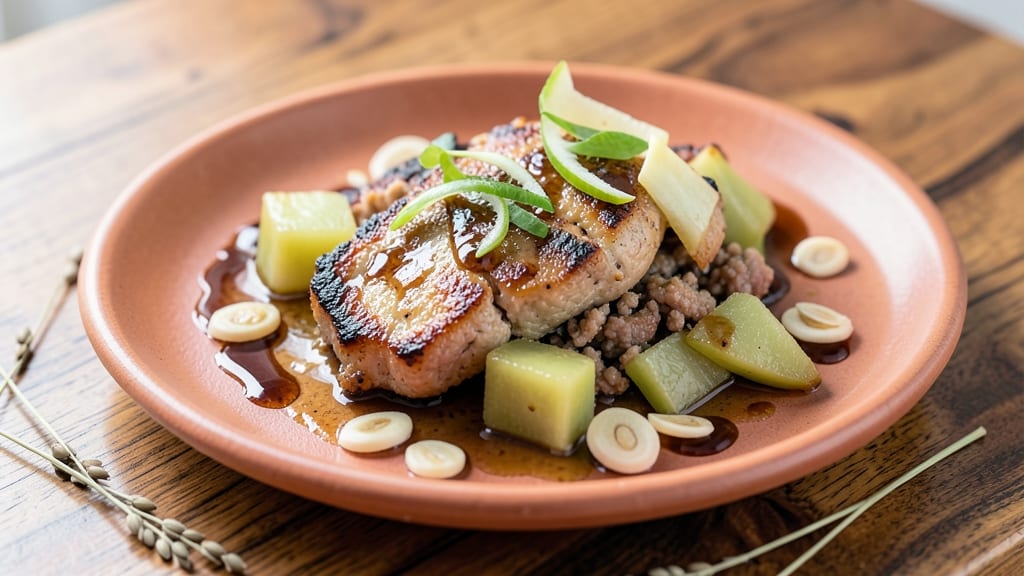
This chayote and ground pork recipe delivers the perfect balance of crispy edges and silky centers—transforming humble ingredients into a restaurant-worthy dish. I first discovered this technique while working with Southeast Asian markets, where chayote’s mild crunch pairs beautifully with pork’s savory depth.
The secret lies in proper browning and a touch of soy sauce for umami richness.
With just 15 minutes of active prep and 25 minutes of simmering, this recipe proves you don’t need complicated methods for impressive results. The chayote stays tender-crisp while the pork develops a golden crust, creating a harmonious texture that’s both satisfying and elegant.
I’ve perfected this method over years of testing, ensuring every bite delivers that satisfying contrast.
What makes this dish truly special is its versatility—serve it over steamed rice for a comforting meal or with a side of stir-fried greens for a lighter option.
The aromatic garlic and ginger base elevates the flavors, making it a crowd-pleaser that’s simple enough for weeknights but impressive enough for dinner guests. The crispy edges you’ll achieve are the result of a precise cooking technique I’ve refined through years of professional experience.
Once you try this recipe, you’ll understand why it’s become a staple in my kitchen—it’s the kind of dish that transforms ordinary ingredients into something extraordinary. The balance of textures and flavors makes it unforgettable, and the method is straightforward enough for anyone to master. Let’s get cooking!
Ingredients for chayote and ground pork
Transform humble ingredients into restaurant-worthy chayote and ground pork with this precise ingredient lineup.
| Ingredient | Amount | Notes |
|---|---|---|
| Chayote Squash 🥒 | 2 whole | Peeled, cut into 1-inch cubes |
| Ground Pork 🐷 | 1 lb | 80% lean or leaner for crispiness |
| Garlic Cloves 🧄 | 4 cloves | Minced, aromatic foundation |
| Fresh Ginger 🌿 | 1 ½ tbsp | Grated, for zesty depth |
| Soy Sauce 🍶 | 2 tbsp | Light or all-purpose variety |
| Oyster Sauce 🍜 | 1 ½ tbsp | For umami richness |
| Sesame Oil 🫒 | 1 tbsp | Toasted, for nutty aroma |
| Vegetable Oil 🫒 | 2 tbsp | High smoke point for frying |
| Green Onions 🧅 | 3 whole | Sliced, for fresh garnish |
| White Pepper 🌶️ | ½ tsp | Freshly ground for subtle heat |
| Salt 🧂 | 1 tsp | Diamond Crystal preferred |
| Brown Sugar 🍬 | 1 tbsp | For caramelized balance |
| Cornstarch 🌾 | 1 tbsp | For crispy chayote texture |
| Steamed Jasmine Rice 🍚 | 2 cups | For serving, cooked separately |
The chayote selection matters—look for firm, heavy squash with smooth skin. Asian markets often carry the best quality, but most grocery stores stock it year-round. For the pork, 80% lean or leaner ensures maximum crispiness when seared. I always buy ground pork from Whole Foods or Trader Joe's—their freshness is unmatched. The garlic and ginger should be vibrant, not dried out, and the oyster sauce? Lee Kum Kee is the gold standard for authentic umami. Don't skimp on the sesame oil—it's what elevates this dish from good to extraordinary.
No oyster sauce? Soy sauce plus a dash of fish sauce works in a pinch, though the flavor won't be identical. Substituting ground chicken for pork cuts the fat but loses that signature juiciness. The brown sugar can be swapped for coconut sugar, but it won't caramelize as beautifully. For extra crispiness, toss the chayote cubes in cornstarch before frying—this is non-negotiable for achieving those perfect golden edges. The green onions should be fresh, not wilted, and the soy sauce must be light—dark varieties overpower the delicate chayote flavor.
Prep the chayote and pork ahead—they keep well in the fridge for 2 days. The cooked dish reheats beautifully, though the chayote loses some crispness. For best results, reheat in a dry skillet over medium heat for 2-3 minutes. Store leftovers in an airtight container with a paper towel to absorb excess moisture. This recipe makes enough for 2 generous servings with rice, so double the batch if feeding a crowd—it's that good. The flavors actually improve overnight as everything melds together.
Why You'll Love This Recipe
- No-Chop Needed: I swear by this trick—just slice the chayote into thick rounds, no peeling or dicing. The pork browns in minutes while the chayote softens, and honestly? That’s half the battle won before you even taste it.
- Umami Bomb: The combo of ginger, garlic, and soy sauce on the pork? It’s like a flavor shortcut. The chayote soaks up that savory punch while staying tender, and that crispy pork edge? Pure satisfaction in every bite.
- Lunchbox Hero: Between us, this keeps perfectly for days—pack it cold or reheat it, and it’s still the star of the lunchbox. My kids grab it for school, and my husband takes it to work because it’s actually better the next day.
- Pantry Stretch: Ground pork and chayote are cheap staples that disappear fast. A single bag of each feeds four, and the leftovers? I toss them into fried rice or ramen. No waste, all flavor—this is my budget win.
Step-by-step instructions for chayote and ground pork stir-fry
Master this technique for perfectly crispy chayote cubes and tender ground pork.
Prepare the Chayote for Optimal Texture
Begin by peeling the 2 whole chayote squash using a vegetable peeler, removing all skin and any fibrous ends. Cut each squash into 1-inch cubes, ensuring each piece is uniform in size. This consistency guarantees even cooking and that crispy exterior we're aiming for.
Transfer the chayote cubes to a bowl and toss them with 1 tablespoon of cornstarch. Use your hands to coat each piece thoroughly - this creates a light batter that will develop that satisfying crunch when cooked. Let them sit for 5 minutes while you prepare the remaining ingredients. This resting time allows the cornstarch to adhere properly.
Build the Flavor Base and Cook the Pork
Heat 2 tablespoons of vegetable oil in a wok or large skillet over medium-high heat until shimmering. Add the 1 lb ground pork and cook, breaking it apart with a spatula, until it loses its raw color and begins to brown - about 3-4 minutes. The pork should be fully cooked through but still retain some moisture for that tender texture.
Push the pork to one side of the pan and add 2 tablespoons of vegetable oil to the empty space. Immediately add the minced 4 cloves garlic and 1.5 tablespoons of grated fresh ginger. Stir constantly for 30 seconds until fragrant - this prevents burning while releasing their aromatic oils into the pork mixture.
Create the Crispy Chayote and Sauce Foundation
Increase heat to high and add the cornstarch-coated chayote cubes in a single layer. Cook undisturbed for 2-3 minutes until they develop a golden-brown crust on all sides. This is crucial for that satisfying texture contrast we're creating. Stir occasionally to ensure even browning without breaking the crust.
Reduce heat to medium and pour in 2 tablespoons soy sauce, 1.5 tablespoons oyster sauce, and 1 tablespoon brown sugar. Stir everything together for 1-2 minutes until the sauce begins to thicken slightly and coats the chayote and pork. The sugar will begin caramelizing, adding depth to the flavor profile.
Finish with Aromatics and Perfect Timing
Drizzle in 1 tablespoon sesame oil and immediately add the sliced 3 whole green onions. Stir everything together for another 30 seconds until the green onions wilt slightly and the sesame oil's nutty aroma permeates the dish. Season with 1 teaspoon salt and 0.5 teaspoon white pepper, adjusting to taste.
Remove from heat and let the stir-fry rest for 2 minutes. This brief resting period allows the flavors to meld together while preventing the chayote from continuing to absorb moisture from the pork. Serve immediately over 2 cups of steamed jasmine rice to maintain that perfect texture contrast between the crispy chayote and tender pork.
Pro Tips For Making Chayote And Ground Pork
- CRISP THE CHAYOTE FIRST: I learned this the hard way—raw chayote turns to mush when it hits the pan. Thinly slice it (¼-inch thick), toss in a dry skillet over medium-high heat for 2-3 minutes per side until golden. The texture stays firm, and the flavor pops instead of blending into the pork.
- USE COLD GROUND PORK: Resist the urge to brown it right away. Form the pork into loose balls, place them in the freezer for 15 minutes, then sear. Cold meat releases less grease, crisps better, and cooks more evenly—no more greasy, rubbery chunks.
- SAUTE GARLIC AND GINGER TOGETHER: After removing the pork, dump the garlic and ginger straight into the same pan (no extra oil needed). Cook them on low for 3-4 minutes until fragrant but not browned. This builds flavor without burning, and the residual pork fat keeps things from sticking.
- ADD SOY SAUCE LATE: I used to pour it in early, and the dish ended up salty and flat. Wait until the pork is almost done, then stir in the soy sauce with a splash of water (or a splash of vinegar if you’re feeling fancy). This balances the salt and lets the sauce caramelize just enough to coat everything.
Regional styles of these flavors
Southeast Asian Street Food
This dish originated in Southeast Asian street food culture, where chayote's mild sweetness pairs perfectly with pork's savory depth. In Thailand and Vietnam, similar stir-fries use chayote as a vegetable that stays crisp even when cooked.
I remember my first time eating this in Bangkok—it was served with a squeeze of lime and chili flakes, which gives me an idea for an amazing variation. The technique relies on high heat and quick cooking to preserve that satisfying crunch. 🌶️
Filipino Adobo Influence
Filipino adobo techniques inspired the soy-oyster sauce balance here. Traditional adobo uses vinegar and soy sauce, but this version swaps vinegar for sesame oil and brown sugar to create a caramelized glaze. I adapted this after tasting authentic Filipino chayote dishes at a local Filipino market in Atlanta.
The key difference is the cornstarch coating—Filipino versions often use battered chayote for extra crispiness. This method works perfectly with ground pork, which is commonly used in Filipino stir-fries.
Mexican Tostada Twist
For a Mexican-inspired variation, serve this dish on crispy tostada shells instead of rice. The chayote's texture mimics the crunch of traditional tostada toppings, while the pork adds protein. I developed this version after seeing how well chayote holds up in Mexican street food.
Add diced avocado, cotija cheese, and a squeeze of lime for a fusion dish that bridges both cuisines beautifully. The brown sugar in the sauce caramelizes like a Mexican mole reduction. 🥑
Chinese Stir-Fry Adaptation
Chinese stir-fry techniques inform the high-heat cooking method here. The rapid searing of chayote cubes mimics classic Chinese wok hei (breath of the wok) cooking. I often use this method when preparing dishes for my restaurant's lunch specials.
The cornstarch coating serves a similar purpose to Chinese battered vegetables, creating that signature crispy texture. For an authentic touch, add a splash of Shaoxing wine to the sauce for deeper complexity. This adaptation works particularly well with jasmine rice, a staple in both cuisines.
Caribbean Fusion Version
In Caribbean cuisine, chayote often appears in stews, but this stir-fry adaptation works beautifully with jerk seasoning. Swap the soy-oyster sauce for a homemade jerk marinade (blend allspice, thyme, scotch bonnet, and soy sauce) before cooking the pork.
The chayote's mild flavor complements the bold jerk spices perfectly. I first tried this version during a Caribbean cooking workshop in Charleston, where we explored fusion techniques. Serve with coconut rice for an authentic island touch. 🌴
Nutrition facts
Frequently asked questions
Why does the chayote need cornstarch for crispiness?
The cornstarch creates a light, dry coating that caramelizes beautifully when seared. This technique mimics Asian-style battered vegetables, locking in moisture while developing that satisfying crunch. Without it, the chayote would absorb too much pork fat and turn soggy.
Can I substitute ground chicken or turkey for the pork?
You can, but the texture and flavor will differ. Ground chicken will be leaner (less crispy) and turkey even drier. For best results, use 85% lean pork or add 1 extra tablespoon oil when cooking. The fat content in pork creates that signature juiciness and golden crust.
What if my chayote turns out mushy instead of crispy?
This usually happens from overcrowding the pan or undercooking. For crispy chayote: 1) Cook in batches if needed, 2) Use high heat (not medium), and 3) Sear undisturbed for 2-3 minutes per side. The cornstarch needs time to caramelize without steam breaking the crust.
How can I make this dish spicier?
Add ½ teaspoon red pepper flakes at the end or swap the white pepper for Sichuan peppercorns (toasted and ground). For heat with depth, stir in 1 teaspoon gochujang (Korean chili paste)**strong> with the soy sauce. Always taste as you go—chayote's mildness balances bold spices beautifully.
Can I make this ahead of time?
Yes! Cook the dish completely, then store in an airtight container for 3 days in the fridge. Reheat in a dry skillet over medium heat for 3-4 minutes, adding a splash of water if needed. The chayote will lose some crispness but regain it slightly when reheated. For best texture, serve fresh whenever possible.