
Main Courses
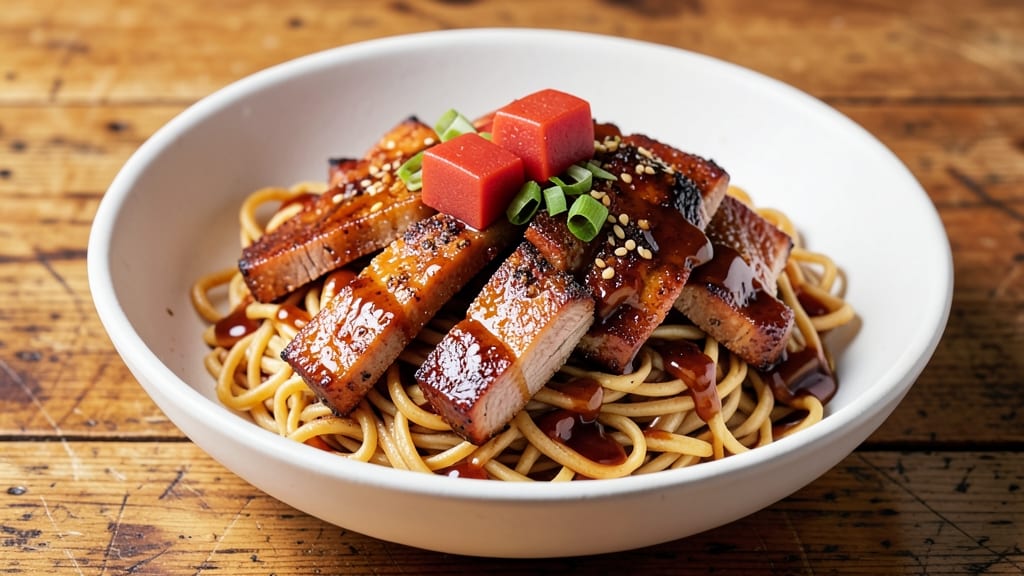
This char siu pork noodles recipe brings the bold flavors of Cantonese cuisine to your kitchen with perfectly marinated pork and chewy egg noodles. 🌟 The secret lies in the marinade—sweet hoisin, fermented bean paste, and five-spice powder create that signature sticky, caramelized crust.
I've perfected this technique over years of cooking for crowds, ensuring every bite delivers that perfect balance of smoky, sweet, and savory.
The process starts with the char siu pork itself—tender pork shoulder marinated overnight, then roasted until the edges are crisp and the interior melts in your mouth.
While the pork rests, fresh egg noodles are boiled just until al dente, then tossed with a light sesame-infused sauce that complements rather than overpowers the star of the dish. This isn't just another pork noodle recipe; it's a celebration of Cantonese technique with a modern twist.
What makes this dish truly special is how the components come together on the plate. Thinly sliced char siu pork drapes over the noodles, its caramelized edges catching the light, while the sauce pools around the edges for dipping.
The result is a harmonious blend of textures—crispy pork, chewy noodles, and a sauce that's both aromatic and deeply satisfying. This is the kind of meal that feels like a restaurant experience, but with a technique anyone can master.
Serve with quick-pickled vegetables for brightness or crispy fried shallots for added crunch—both elevate the dish without overcomplicating it. The beauty of this recipe lies in its balance: rich flavors that aren't heavy, sweetness that isn't cloying, and a technique that's approachable yet impressive. Let's get cooking.
Ingredients for char siu pork noodles
Cantonese flavors meet chewy noodles in this bold, restaurant-inspired dish.
| Ingredient | Amount | Notes |
|---|---|---|
| Pork Shoulder 🥩 | 1 ½ lb | Bone-in preferred, cut into 1-inch cubes |
| Hoisin Sauce 🍶 | ½ cup | Store-bought or homemade, for marinade |
| Fermented Bean Paste (Douchi) 🧅 | 2 tbsp | Asian market specialty, for depth of flavor |
| Five-Spice Powder 🌶️ | 1 tbsp | Authentic Cantonese blend, not generic |
| Honey 🍯 | ¼ cup | Wildflower preferred, for caramelization |
| Soy Sauce 🥫 | ¼ cup | Dark soy for color, light for flavor |
| Garlic Cloves 🧄 | 6 cloves | Minced, for aromatic base |
| Fresh Ginger 🌿 | 1 tbsp | Grated, for balance |
| Sesame Oil 🫒 | 1 tbsp | Toasted, for nutty aroma |
| Egg Noodles 🍜 | 12 oz | Fresh or dried, chewy variety |
| Sesame Seeds 🌰 | 1 tbsp | Toasted, for garnish |
| Green Onions 🧅 | 3 whole | Thinly sliced, for freshness |
| Vegetable Oil 🫒 | 2 tbsp | High smoke point for roasting |
| Salt 🧂 | 1 tsp | Kosher, for seasoning |
| Black Pepper 🌶️ | ½ tsp | Freshly ground, for heat |
The pork shoulder is non-negotiable—bone-in adds flavor, and the fat renders beautifully during roasting. Asian markets carry the best fermented bean paste, but Lao Gan Ma or Lee Kum Kee work in a pinch. Five-spice powder should be authentic Cantonese blend, not the generic supermarket version. For honey, local wildflower adds depth, but any quality honey works. The soy sauce? Dark soy for color, light soy for flavor—don't skip this combo. Garlic and ginger should be freshly grated or minced—pre-minced loses potency fast.
No fermented bean paste? Miso paste at half the amount works in a bind, though it won't replicate the funk. Short on sesame oil? Toasted peanut oil mimics the nutty aroma. The egg noodles must be chewy and fresh—dried noodles work but lack that signature texture. For a quicker prep, pre-cut pork shoulder from Costco or Trader Joe's saves time without sacrificing quality. The sesame seeds should be lightly toasted in a dry pan before using—this amplifies their flavor tenfold.
Marinated pork keeps 2 days in the fridge, but the flavor deepens overnight. Roast the pork at 350°F for even cooking—internal temp of 145°F ensures tenderness. Leftover char siu reheats beautifully—wrap tightly in foil and bake at 300°F for 10 minutes. The noodles cook in 3 minutes—don't overdo it or they'll turn mushy. Store noodles in the fridge for up to 3 days, though they're best fresh. Freeze pork in portions for 3 months—thaw overnight in the fridge before slicing.
Why You'll Love This Recipe
- One-Pan Magic: I swear by this recipe—just sear the pork shoulder, toss it with hoisin, douchi, and five-spice, then simmer. No chopping, no fuss, and the sauce clings to everything like it’s been marinating for hours.
- Sweet-Savory Obsession: That honey and hoisin combo? It’s like a hug for your taste buds. The douchi adds this funky depth, while the five-spice keeps it warm and aromatic—every bite is a little flavor explosion.
- Lunchbox Hero: Between us, this is my go-to for meal prep. The pork stays tender, the sauce doesn’t dry out, and I can toss it with noodles, rice, or even wrap it in lettuce. Packs perfectly for work or school lunches.
- Budget Stretch: Pork shoulder is cheap, and a little goes a long way. I make a big batch, store it in the fridge, and use it for stir-fries, sandwiches, or even breakfast hash for days. Minimal cost, maximum flavor.
Step-by-step instructions for char siu pork noodles
Transform simple ingredients into restaurant-quality Cantonese BBQ pork with this precise method.
🔥 Step 1: Marinate the Pork Shoulder for Maximum Flavor
In a large bowl, combine the 1.5 lb pork shoulder with the 0.5 cup hoisin sauce, 2 tbsp fermented bean paste (douchi), 1 tbsp five-spice powder, 0.25 cup honey, 0.25 cup soy sauce, 6 cloves minced garlic cloves, and 1 tbsp grated fresh ginger. Mix thoroughly until the pork is completely coated in the marinade.
Transfer the marinated pork to a resealable plastic bag and massage it gently to ensure even distribution of the marinade. Seal the bag and refrigerate for at least 4 hours (overnight is ideal). This long marinating time allows the flavors to deeply penetrate the meat, creating that signature char siu taste. The pork should develop a glossy sheen from the marinade, indicating proper absorption.
🔥 Step 2: Roast the Pork Until Caramelized
Preheat your oven to 375°F and line a rimmed baking sheet with aluminum foil for easy cleanup. Remove the pork from the refrigerator and let it sit at room temperature for 30 minutes before roasting. This ensures even cooking throughout.
Place the marinated pork on the prepared baking sheet, fat-side up if possible. Roast for 45-50 minutes until the internal temperature reaches 160°F and the exterior develops a deep mahogany glaze. The pork should be fork-tender with a caramelized crust that cracks slightly when pressed. For extra browning, broil for 2-3 minutes at the end, watching closely to prevent burning.
🍳 Step 3: Prepare the Chewy Egg Noodles
While the pork roasts, bring a large pot of water to a rolling boil. Add 12 oz egg noodles and cook according to package instructions until al dente—typically 4-5 minutes for chewy texture. Drain immediately and rinse briefly with cold water to stop cooking. Toss the noodles with 1 tbsp toasted sesame oil to prevent sticking and enhance flavor.
Keep the noodles warm by covering with a clean kitchen towel. The residual heat will maintain their chewiness without overcooking. If you're preparing ahead, you can cook the noodles up to 1 hour in advance and reheat gently in a dry skillet over medium-low heat with a splash of water to prevent drying.
🥘 Step 4: Assemble the Noodle Dish
Slice the roasted pork shoulder into ¼-inch thick slices against the grain for maximum tenderness. Divide the 12 oz egg noodles evenly among four serving plates. Arrange the char siu pork slices on top of the noodles, overlapping slightly for presentation.
Drizzle each serving with 1 teaspoon sesame oil and garnish with 1 tablespoon toasted sesame seeds and 3 thinly sliced green onions. For extra richness, spoon any accumulated juices from the baking sheet over the noodles. The contrast of chewy noodles, tender pork, and aromatic garnishes creates the perfect balance of textures and flavors.
🍽️ Step 5: Serve Immediately with Fresh Garnishes
Serve the char siu pork noodles immediately while hot. The residual heat from the noodles and pork will create a fragrant aroma that enhances the dining experience. Each bite should deliver perfectly caramelized pork with a sweet-savory glaze, complemented by the chewy texture of the egg noodles.
For an authentic touch, serve with a side of steamed bok choy or a simple cucumber salad. The crisp vegetables provide a refreshing contrast to the rich, umami flavors of the main dish. The dish is best enjoyed fresh, as the noodles lose their chewiness and the pork can dry out if left standing.
Pro Tips For Making Char Siu Pork Noodles
- Marinate Pork Twice: I learned this the hard way—skipping the second marinade means your char siu will taste more like plain pork than the sticky, aromatic star of the dish. After the initial 30-minute soak in hoisin and honey, let it sit uncovered in the fridge for another 2 hours (or overnight if you’re planning ahead). The extra time lets the five-spice powder and douchi really penetrate, especially if you’re using a thicker cut like pork shoulder.
- Crisp the Shoulder First: This isn’t about rendering fat—it’s about texture. Sear the pork shoulder in a screaming-hot wok or pan until every side develops a deep brown crust, even if it’s not fully cooked through. That crust is what carries the char siu flavor when you slice it later. (Yes, even if you’re tempted to skip it because it looks like overkill.)
- Control the Douchi Heat: Fermented bean paste is polarizing—some batches taste like funky umami, others like a science experiment gone wrong. Taste a tiny pinch mixed with a splash of water before adding it to the sauce. If it’s too sharp or bitter, balance it with a touch more honey or a pinch of sugar. (And for the love of noodles, don’t use the powdered version—it’s a flavor ghost.)
- Sear Noodles Post-Boil: The worst mistake? Dumping raw noodles into the wok with the pork and sauce. Boil them first, drain, then toss them back in the pan for 30 seconds over high heat. That quick sear locks in the sauce’s stickiness and gives the noodles a subtle char, like they’re part of the main event. (Your lazy takeout-ordering self will understand why this matters.)
Wine and beer pairings for char siu pork noodles
Chinese Red Wine
For an authentic Cantonese pairing, reach for a dry Chinese red wine like Cabernet Grapes from Ningxia—its bold berry notes and subtle spice mirror the char siu's sweet-savory depth. I love Chateau Changyu from Shandong, with its 12% alcohol and tannic structure that stands up to the pork's richness.
Serve slightly chilled (55°F) to highlight its plum and blackberry flavors without overwhelming the dish. 🍷
Rice Wine (Huangjiu)
Traditional Cantonese cooks swear by yellow rice wine (Huangjiu), specifically Shaoxing wine—its nutty, slightly sweet profile complements the char siu's caramelized crust. Use it to deglaze the roasting pan for a quick pan sauce or drizzle 1 tbsp over the finished noodles.
I keep a bottle of Moutai on hand for special occasions, though it's stronger—dilute with water if needed. 🥃
Light Beer Pairings
A crisp Chinese lager like Snow Beer or Tsingtao cuts through the dish's richness without competing. The 4% ABV and clean malt profile let the pork's sweetness shine while providing a refreshing contrast.
For a Western twist, try a Belgian witbier—its citrus and peppery notes add brightness to the plate. Serve both at 45°F to maintain crispness. 🍺
Sake for Subtlety
If you prefer something lighter, dry junmai sake from Japan offers an elegant pairing. Brands like Dassai or Kubota provide umami depth that enhances the pork's five-spice complexity.
Chill to 40°F and serve in small cups to sip alongside each bite. The sake's clean finish prevents the dish from feeling heavy. 🍶
Non-Alcoholic Options
For a mocktail, blend lychee juice, ginger beer, and a splash of rice vinegar with ice. The tart-sweet balance mirrors the char siu's flavors while keeping the meal refreshing.
Garnish with a lychee fruit on the rim for visual appeal. This drink works equally well with the noodles or as a palate cleanser between bites. 🍹
Nutrition facts
Frequently asked questions
Can I substitute pork shoulder with another cut?
Pork shoulder is ideal for its fat content and flavor, but you can use pork loin or tenderloin in a pinch. Just reduce the marinating time to 2-3 hours and roast at 350°F until the internal temp reaches 145°F. Lean cuts like tenderloin won't develop the same caramelized crust, so brush with extra honey during roasting for color.
How do I make the noodles extra chewy like restaurant versions?
Fresh egg noodles are key—look for wide, thick varieties labeled "chewy" or "al dente." Cook them 1 minute less than package instructions, then rinse in cold water and toss with 1 tsp toasted sesame oil. For homemade, add 1 extra egg yolk to the dough and roll it thin but thick (⅛-inch). The key is undercooking slightly and keeping them warm in a covered bowl.
What's the secret to getting that perfect caramelized crust on the pork?
The crust comes from a combination of honey and soy sauce caramelization during roasting. After marinating, pat the pork dry before roasting—this helps the glaze stick. For extra shine, broil for 2-3 minutes at the end, watching closely. The pork should have a deep mahogany color with slight cracks. If it's not browning enough, brush with more honey and roast 5 more minutes.
Can I make this dish ahead of time?
Marinate the pork 1-2 days ahead for deeper flavor. Roast it 1 day before serving, then refrigerate in an airtight container. Reheat in the oven at 300°F for 10 minutes until warmed through. Cook the noodles fresh day-of—they lose chewiness when reheated. Slice the pork just before serving to keep it tender.
What if I don't have fermented bean paste (douchi)?
Don't worry—substitute with 1 tbsp miso paste or 1 tsp fish sauce for umami depth. For a vegetarian option, use 1 tbsp soy sauce + ½ tsp smoked paprika. The fermented bean paste adds a unique funk, but these alternatives will still give you delicious results. The dish will be slightly less complex but still flavorful.