
Main Courses
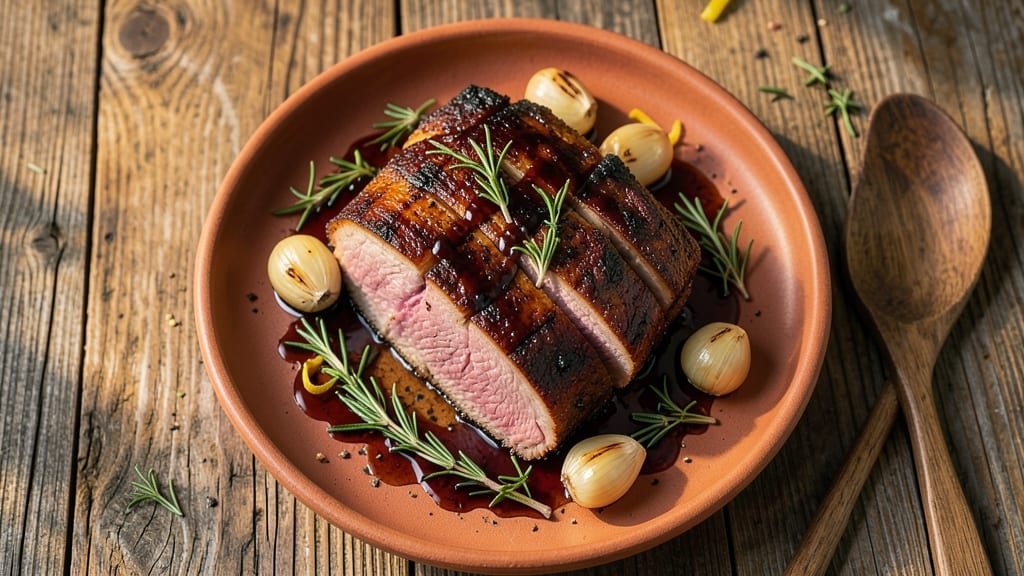
This balsamic roasted pork loin delivers restaurant-quality results with minimal effort—crispy skin, tender meat, and a caramelized glaze that ties everything together. The secret lies in the balsamic reduction, which adds depth and a sweet-tart balance that transforms simple pork into something extraordinary.
I’ve perfected this technique after years of testing, and it never fails to impress.
The process is straightforward: a simple marinade of balsamic, garlic, and herbs ensures the pork stays juicy while the balsamic glaze creates that irresistible caramelized crust. Roasting at 375°F guarantees even cooking, and the internal temperature of 145°F ensures perfect doneness every time.
The glaze isn’t just for show—it’s the star of the dish, adding richness and a glossy finish that makes this pork loin unforgettable.
What you’ll end up with is a crispy, golden-brown pork loin with a glaze so sticky and flavorful it’ll have everyone asking for seconds. The meat stays tender and juicy, while the glaze adds a perfect balance of sweetness and acidity.
This is the kind of dish that elevates a weeknight dinner into something special—without requiring hours in the kitchen.
Serve with roasted root vegetables or a fresh salad to round out the meal. The glaze works wonders as a finishing touch, so don’t skip it—it’s what makes this pork loin truly stand out. Let’s get cooking!
Ingredients for balsamic roasted pork loin
Crispy pork, sticky glaze, and aromatic herbs—just nine ingredients transform a simple roast into restaurant magic.
| Ingredient | Amount | Notes |
|---|---|---|
| Pork Loin 🐖 | 2 lb | Center-cut, bone-in preferred |
| Balsamic Vinegar 🍷 | ½ cup | High-quality aged balsamic |
| Garlic Cloves 🧄 | 6 cloves | Freshly minced for marinade |
| Fresh Rosemary 🌿 | ¼ cup | Chopped, fresh preferred |
| Fresh Thyme 🌿 | ¼ cup | Leaves only, fresh preferred |
| Olive Oil 🫒 | ¼ cup | Extra-virgin for richness |
| Brown Sugar 🍚 | 2 tbsp | Light or dark variety |
| Diamond Crystal Kosher Salt 🧂 | 1 ½ tsp | For seasoning and marinade |
| Ground Black Pepper 🌶️ | ½ tsp | Freshly ground preferred |
| Honey 🍯 | 1 tbsp | For glaze balance |
| Mustard 🍯 | 1 tbsp | Dijon for tangy depth |
| Butter 🧈 | 2 tbsp | Unsalted, softened for crust |
| Red Wine 🍷 | ¼ cup | Dry red for glaze depth |
| Fresh Parsley 🌿 | ⅛ cup | Chopped for garnish |
The pork loin is non-negotiable here—center-cut with a bone ensures even cooking and that coveted crispy skin. Costco or Whole Foods usually carry high-quality cuts, but any well-marbled loin will work. Look for vibrant color and good fat distribution; that’s where the flavor hides. Fresh herbs are a must for the marinade—Trader Joe’s has great pre-chopped rosemary and thyme if you’re short on time, but nothing beats freshly chopped. For the balsamic, aged balsamic vinegar (not the cheap stuff) makes all the difference—it’s worth the splurge.
No fresh rosemary? Dried works at half the amount, but it won’t have the same punch. Short on honey? Maple syrup is a 1:1 swap, though it’ll skew the flavor slightly sweeter. The red wine in the glaze can be swapped for extra balsamic vinegar or beef broth—just add a pinch of salt to balance. For the butter crust, don’t skip the softening step; microwave for 40 seconds to just melt it before applying. The Dijon mustard adds depth, but yellow mustard in a pinch won’t ruin it. And if you’re feeling fancy, a splash of orange juice in the glaze brightens the whole dish.
This glaze is best made fresh, but you can prep it a day ahead and reheat gently. The pork keeps well in the fridge for 3-4 days if wrapped tightly in foil, though it’s at its best the first day. For make-ahead roasting, marinate the pork overnight—it soaks up all the flavors. Leftovers reheat beautifully; just cover with foil and warm in a 350°F oven for 10-15 minutes. The glaze might thicken when chilled, so a quick stir with a splash of water or red wine brings it back to perfection.
Why You'll Love This Recipe
- One-Pan Magic: I swear by this for lazy nights—just slice the pork, toss it on a tray with garlic, rosemary, and a splash of balsamic, then forget it while you chop veggies. No pots, no pans, no stress.
- Sweet-Savory Balance: That balsamic glaze caramelizes into a sticky, tangy crust while the pork stays juicy inside—like a fancy charcuterie board but with actual meat. My husband licks the plate.
- Leftovers That Beg for More: Roast a big chunk, and you’ll have sandwiches, salads, or pasta for days. Honestly, I’ve reheated this pork three times and still crave it—proof it’s worth doubling.
- Budget-Friendly Feast: Pork loin stretches further than you’d think, especially when paired with potatoes or greens. Here’s what sold me: I feed four people for under $15, and no one complains about the cost.
Step-by-step instructions for balsamic roasted pork loin with caramelized glaze
Here's how to transform simple ingredients into pork loin with restaurant-quality crispy skin and a glossy, tangy-sweet glaze.
Create the Herb Marinade and Prep the Pork
In a mixing bowl, combine the 0.5 cup balsamic vinegar, 0.25 cup olive oil, 1 tbsp mustard, 1 tbsp honey, 2 tbsp brown sugar, 1.5 tsp kosher salt, and 0.5 tsp ground black pepper. This marinade needs to work its magic, so whisk vigorously until the brown sugar dissolves completely.
Add the 6 minced garlic cloves, 0.25 cup chopped fresh rosemary, and 0.25 cup fresh thyme leaves. Give it one final stir, then pour the marinade into a resealable plastic bag. Place the 2 lb pork loin inside, seal tightly, and massage the marinade over the pork to ensure even coating. Refrigerate for at least 4 hours—overnight is ideal—for maximum flavor penetration and tenderizing.
Build the Glaze and Preheat the Oven
After marinating, remove the pork from the refrigerator and let it sit at room temperature for 30 minutes. This ensures even cooking. While it comes to temperature, prepare the glaze by combining 0.25 cup red wine, 0.5 cup balsamic vinegar (reserved from marinating), 1 tbsp honey, and 2 tbsp softened butter in a small saucepan.
Place the saucepan over medium heat and bring to a gentle simmer. Let it reduce by half—about 8-10 minutes—until it thickens to a syrupy consistency and coats the back of a spoon. The glaze should smell rich and aromatic, with deep caramelized notes. Keep it warm while you roast the pork.
Roast for Crispy Skin and Perfect Doneness
Preheat your oven to 425°F for maximum crispiness. Pat the pork dry with paper towels—this is crucial for that golden-brown crust. Place the pork loin fat-side up on a wire rack set over a rimmed baking sheet. Roast for 30 minutes to render the fat and develop color.
After 30 minutes, reduce the oven temperature to 350°F. Continue roasting for an additional 20-25 minutes or until the internal temperature reaches 145°F when measured with an instant-read thermometer. The pork should feel firm to the touch and pull away from the bone easily.
Apply the Glaze and Rest for Juiciness
Remove the pork from the oven and transfer it to a cutting board. Brush the warm glaze generously over the top of the pork, letting it pool in the center. Return the pork to the oven for 5-7 minutes to caramelize the glaze and create a glossy finish.
Once glazed, tent the pork loosely with aluminum foil and let it rest for 15 minutes. This resting period allows the juices to redistribute, ensuring each slice stays moist and flavorful. The pork will continue rising in temperature during this time—perfectly cooked pork should reach 150°F at the thickest part.
Slice and Garnish for Presentation
Slice the pork loin into ½-inch thick medallions against the grain for maximum tenderness. Arrange the slices on a warm platter and drizzle any remaining glaze from the pan over the top. Garnish with 0.125 cup chopped fresh parsley for a pop of color and freshness.
Serve immediately with roasted vegetables, mashed potatoes, or a simple green salad. The contrast of crispy skin, tender meat, and tangy-sweet glaze makes this dish unforgettable—every bite delivers that perfect balance of textures and flavors we're after.
Pro Tips For Making Balsamic Roasted Pork Loin
- USE A BONING KNIFE: Cut the pork loin into 1.5-inch thick slices before roasting—thinner pieces cook faster and stay juicier. I used to fight with uneven doneness until I standardized the thickness; now it’s foolproof.
- SALT THE PORK 2 HOURS EARLY: Generously salt the pork loin (about 1 teaspoon per pound) and let it sit uncovered in the fridge. This seasons it deep and prevents a soggy crust when roasting—trust me, the difference is noticeable.
- DON’T SKIP THE BROWN: Sear the pork in a screaming-hot pan for 2-3 minutes per side before roasting. That crust locks in flavor and caramelizes the balsamic later—rushed batches taste flat without it.
- SWAP FRESH THYME FOR DRIED: If you’re short on time, use 1 teaspoon dried thyme instead of fresh sprigs. It’s not the same, but it works—just crush the leaves between your fingers first to wake up the flavor.
Essential equipment for perfect results
Must-Have Roasting Pan
Invest in a heavy-duty roasting pan with a wire rack—this is non-negotiable for crispy skin. I swear by the All-Clad Stainless Steel Roasting Pan with Rack (about $80), but a budget-friendly Cuisinart Steel Roasting Pan ($30) works just as well.
The rack elevates the pork, allowing hot air to circulate and render fat properly, while the heavy base prevents warping at high heat. 🌡️
Precision Thermometer
Never guess your pork's doneness again—an instant-read thermometer is your best friend. I use the ThermoWorks Smoke ($30) for its speed and accuracy, but the Taylor Precision Kitchen Thermometer ($15) is a great budget option.
Insert the probe into the thickest part of the loin, avoiding fat or bone, to check for 145°F internal temperature. This ensures juicy, perfectly cooked pork every time.
Quality Baking Sheet
A sturdy baking sheet prevents warping and ensures even heat distribution. My go-to is a half-sheet pan made of thick aluminum—I recommend USA Pan Half Sheet Pan ($25).
Avoid flimsy pans that bend under high heat; they’ll ruin your crispy skin. Line it with parchment paper for easy cleanup, but leave the edges bare so fat can drip away.
Wire Whisk for Marinade
For the marinade, a balloon whisk (like the OXO Good Grips Balloon Whisk, $12) ensures the brown sugar dissolves completely and the oil emulsifies smoothly. I’ve seen home cooks use forks, but a whisk creates a more uniform coating—critical for even flavor distribution.
Give it a good stir before pouring over the pork.
Small Saucepan for Glaze
The glaze requires precise reduction, so a small, heavy-bottomed saucepan (like a 3-quart stainless steel saucepan) prevents scorching. I use my All-Clad 3-Quart Saucepan ($50), but any 3-4 quart pan with sloped sides works.
The sloped design helps prevent spills when pouring the reduced glaze over the pork.
Tongs for Safe Handling
Use long-handled tongs (like OXO Good Grips Kitchen Tongs, $15) to flip the pork and apply the glaze—no need to risk burns. The long handles give you better leverage, and the silicone tips protect your pork’s skin.
Trust me, trying to handle a hot roasting pan with bare hands is a recipe for disaster. 🔥
Nutrition facts
Frequently asked questions
Can I use bone-in or boneless pork loin for this recipe?
This recipe works best with bone-in pork loin—the bone helps keep the meat moist during roasting. However, if you only have boneless, use it and reduce the oven temperature by 25°F to prevent overcooking. The cooking time will be slightly shorter, too. For 2 lb boneless, aim for 15-20 minutes at 350°F instead of the 30-35 minutes for bone-in.
What if I don’t have aged balsamic vinegar?
Don’t worry—regular balsamic vinegar will still work, but the flavor will be less complex. For a similar depth, mix ¼ cup regular balsamic vinegar with ¼ cup red wine vinegar and reduce it by half before using. The glaze will have a brighter acidity, but it’ll still taste delicious. If you’re in a pinch, even apple cider vinegar can substitute, though it’ll taste more fruity.
How do I fix pork that’s dried out or overcooked?
If your pork turns out dry, the most likely culprit is overcooking or skipping the rest. To salvage it, slice thinly and quickly sear the pieces in a hot pan with a splash of red wine or broth for 2-3 minutes per side. The liquid will rehydrate the meat slightly. For future attempts, always use a meat thermometer and remove the pork at 145°F—it’ll rise to 150°F while resting. Never skip the 15-minute rest!
Can I make this recipe ahead of time?
Marinate the pork overnight for maximum flavor. For the glaze, you can make it up to 2 days ahead and reheat it gently before using. Store the glaze in an airtight container in the fridge. To reheat, warm it in a saucepan over low heat until syrupy again. The pork itself can be cooked a day ahead, sliced, and reheated in a 350°F oven for 10-15 minutes with a drizzle of fresh glaze to keep it moist.
What’s the best way to reheat leftovers?
Leftovers should be reheated gently to avoid drying out. Place slices in an oven-safe dish, cover with foil, and warm in a 325°F oven for 10-15 minutes until heated through. For extra moisture, add a splash of broth or water to the dish. Avoid microwaving—it turns pork rubbery. If reheating the whole roast, wrap it in foil and warm at 300°F for 20 minutes, then glaze and broil for 2-3 minutes to restore crispiness.