
Main Courses
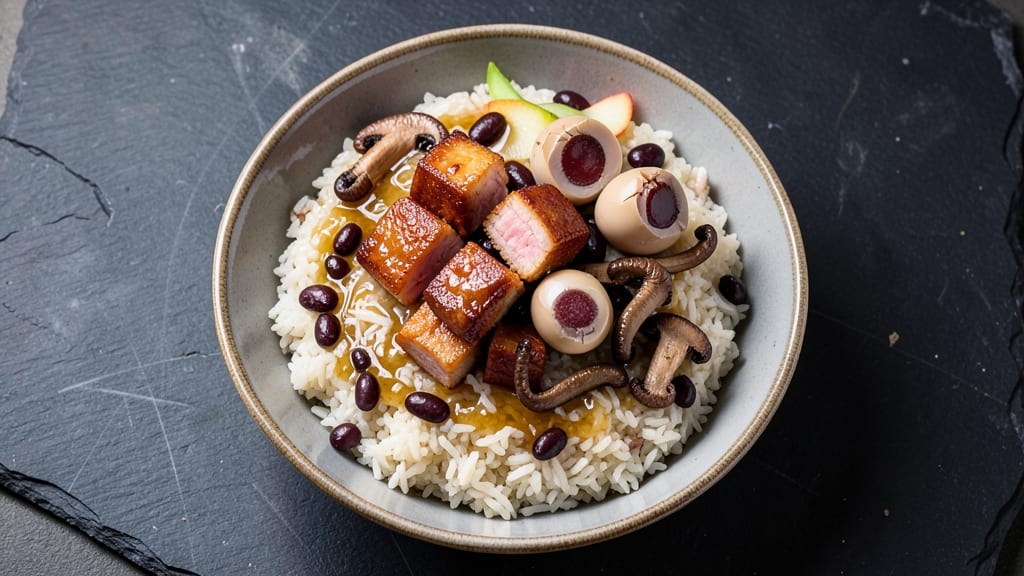
This century egg pork porridge delivers a harmonious balance of silky-smooth texture and deep umami flavor, a dish that transports you to the heart of Chinese comfort food traditions. The secret lies in properly preparing the century eggs—those distinctive, dark, jelly-like centers—and braising the pork until it's fall-apart tender.
I first encountered this dish in a small Guangzhou restaurant, where the owner insisted it was "medicine for the soul," and I've been perfecting it ever since.
The foundation of this recipe is a rich, congee-style porridge made from rice that's simmered until it reaches that perfect, velvety consistency. While the porridge cooks, the century eggs are carefully prepared—peeled, rinsed, and sliced to reveal their signature dark yolk and translucent white.
The pork, typically a fatty cut like shoulder, is braised until it shreds easily, infusing the porridge with its savory essence. This isn't just a dish; it's an experience that engages all your senses from the first spoonful.
What makes this porridge truly special is the interplay of textures and flavors—creamy porridge, tender pork, and the distinct, slightly alkaline taste of century eggs.
The dish is often finished with fresh toppings like chopped scallions, cilantro, and a drizzle of chili oil, adding brightness and heat to balance the richness. The result is a bowl that's both nourishing and deeply satisfying, perfect for a comforting meal or sharing with family.
Traditionally served for breakfast or as a light lunch, this porridge is equally at home in a bustling Chinese home or a modern kitchen. The recipe allows for variations—adding mushrooms for earthiness or fermented black beans for extra umami—while maintaining its core appeal.
Whether you're new to century eggs or a seasoned fan, this dish promises to become a staple in your culinary repertoire. Let's bring this comforting classic to life.
Ingredients for century egg pork porridge
Four whole century eggs and a pound of pork shoulder kick off this soul-warming porridge.
| Ingredient | Amount | Notes |
|---|---|---|
| Century Eggs (Preserved Eggs) 🥚 | 4 whole | Peeled, rinsed, sliced lengthwise |
| Pork Shoulder 🥩 | 1 ½ lb | Bone-in, fatty cut preferred |
| Jasmine Rice 🌾 | 1 cup | Uncooked, long-grain preferred |
| Dried Shiitake Mushrooms 🍄 | 4 whole | Rehydrated, sliced |
| Dried Fermented Black Beans 🫘 | ¼ cup | Soaked 30 minutes, rinsed |
| Fresh Ginger 🧄 | 1 inch | Peeled, sliced thin |
| Green Onions 🧅 | 6 whole | White and green parts separated |
| Fresh Cilantro 🌿 | ¼ cup | Chopped, stems removed |
| Chili Oil 🌶️ | 2 tbsp | Store-bought or homemade |
| Light Soy Sauce 🍶 | 2 tbsp | For pork braising |
| Shaoxing Wine 🍷 | ½ cup | Substitute dry sherry |
| Rock Sugar 🍬 | 2 tbsp | Or granulated sugar |
| Dried Tangerine Peel 🍊 | 1 tbsp | For aroma, optional |
| Salt 🧂 | 1 ½ tsp | Kosher or sea salt |
| White Pepper 🌶️ | ½ tsp | Freshly ground |
Century eggs are the star here—look for plump, dark-skinned eggs with firm, jelly-like centers. Asian grocery stores carry them fresh, but if you can't find them, specialty online retailers like H Mart or Manchurian Market ship them frozen. The pork shoulder should have visible fat marbling for that melt-in-your-mouth texture. I always grab mine from Costco—the bone-in cut adds depth of flavor. For the rice, jasmine rice is non-negotiable; it absorbs liquid beautifully and gives that signature silky texture. If you're using dried shiitake mushrooms, soak them in hot water for 20 minutes—they should expand to about twice their size.
No century eggs? Substitute with marinated black fungus (water bloated fungus) for a similar umami kick, though the texture will differ. Running short on pork shoulder? Substitute with chicken thighs—they stay juicy but won’t have the same rich fat content. The fermented black beans add a funky depth, but if you can’t find them, dried black soybeans work in a pinch. Fresh ginger is best, but ground ginger at half the amount will do. For the chili oil, Sichuan chili crisp from Trader Joe's is my go-to—it’s pre-made and adds that perfect spicy crunch. The Shaoxing wine can be swapped for dry sherry, but don’t use sweet dessert wine.
Century eggs keep for 2 weeks in the fridge once peeled—store them submerged in water. The pork shoulder can be prepped ahead: braise it for 2 hours, then refrigerate and shred when ready to cook. The porridge base (rice, ginger, and mushrooms) can be made a day ahead and reheated gently. Dried shiitake mushrooms and fermented black beans both freeze well for up to 6 months. To keep the chili oil fresh, store it in a cool, dark place—it’ll last 3 months unopened. Fresh cilantro and green onions should be used within 5 days for maximum brightness.
Why You'll Love This Recipe
- One-Pot Wonder: The pork shoulder simmers right in the rice—no separate pots, no extra cleanup. Just toss in the century eggs at the end, and suddenly you’ve got a dish that feels like a hug from your grandma.
- Umami Bomb: That first bite? The century eggs bring this porridge to life—creamy, funky, and so satisfying. The fermented black beans add a deep, salty punch, while the shiitake mushrooms make every spoonful taste like a little flavor party.
- Lazy Days Hero: Between us, this is my go-to when I’ve got zero energy. (Yes, even on a Tuesday night.) The rice cooks while the pork tenderizes—no chopping, no fuss. Just warm up leftovers or make a fresh batch in 45 minutes.
- Budget-Friendly Feast: Pork shoulder stretches for days, and those dried mushrooms and black beans? Absolute gold for stretching meals. I make a big pot on Sunday, and it’s still delicious by Thursday—no sad leftovers here.
Step-by-step instructions for century egg pork porridge
Here's how to transform simple ingredients into a velvety porridge with layers of umami and texture.
Prepare the Pork Shoulder for Braising
Cut the 1.5 lb pork shoulder into 1-inch cubes, trimming excess fat to leave about ¼-inch thickness. This size ensures even cooking and perfect tenderness. In a large bowl, combine the pork with 0.5 cup Shaoxing wine, 2 tbsp light soy sauce, 1.5 tsp salt, and 0.5 tsp white pepper. Massage the marinade into the pork, coating each piece thoroughly. Let it sit at room temperature for 30 minutes—this helps the flavors penetrate deeply.
While the pork marinates, prepare the braising liquid. In a separate bowl, mix 2 cups water, 2 tbsp rock sugar, and 1 tbsp dried tangerine peel. The sugar caramelizes slightly during cooking, adding subtle sweetness, while the tangerine peel infuses a delicate citrus aroma. This liquid will form the porridge's silky base, so don't skip the sugar—it balances the pork's richness.
Braise the Pork Until Fork-Tender
Heat a large Dutch oven over medium-high heat until hot. Add the marinated pork in a single layer, letting it sear undisturbed for 3-4 minutes until deep golden brown forms on all sides. This step develops the Maillard reaction, creating complex flavors that carry through the porridge. Once browned, remove the pork and set aside.
In the same pot, add 1 inch sliced fresh ginger and cook for 30 seconds until fragrant. Pour in the braising liquid mixture and bring to a gentle boil. Return the pork to the pot, reduce heat to low, cover tightly, and simmer for 2.5-3 hours until the pork is fork-tender and nearly falling apart. The liquid should reduce by about half, creating a concentrated, flavorful broth. Stir occasionally to prevent sticking, and add ½ cup hot water if the liquid gets too scant before the pork is fully tender.
Cook the Jasmine Rice and Prepare Aromatics
While the pork braises, prepare the 1 cup jasmine rice by rinsing it 3-4 times under cold water until the water runs clear. This removes excess starch, preventing a gummy texture. Drain well and set aside. In a separate pot, bring 3 cups water to a boil, add the rice, reduce heat to low, cover, and simmer for 15 minutes until the rice is 80% cooked—it should still have a slight bite. Drain any remaining water and set the rice aside with the lid slightly ajar to prevent overcooking.
Rehydrate the 4 whole dried shiitake mushrooms by soaking them in 1 cup hot water for 20 minutes. Drain, reserving the soaking liquid, and slice them thinly. Soak the 0.25 cup dried fermented black beans in 1 cup hot water for 30 minutes, then drain and rinse. Separate the 6 green onions into white and green parts, and chop the 0.25 cup fresh cilantro. These aromatics will add freshness and contrast to the rich pork and century eggs.
Assemble and Simmer the Porridge
Return the braised pork to its pot and add the reserved mushroom and black bean soaking liquids, bringing the mixture to a gentle simmer. Stir in the 80% cooked jasmine rice, rehydrated shiitake mushrooms, and drained black beans. Simmer uncovered for 10-15 minutes, stirring occasionally, until the rice absorbs the liquid and the porridge reaches a creamy, pudding-like consistency. The texture should be silky but still slightly firm—like a thick soup rather than a loose gruel.
Slice the 4 whole century eggs (preserved eggs) lengthwise and add them to the porridge. The century eggs' unique texture and slightly alkaline, jelly-like yolk will contrast beautifully with the tender pork and rice. Stir in the white parts of the green onions and simmer for 2 more minutes. Taste and adjust seasoning with additional light soy sauce or salt if needed. The porridge should be rich, savory, and subtly sweet—a balance of umami, salt, and freshness.
Finish and Serve with Garnishes
Transfer the porridge to serving bowls. Drizzle each portion with 2 tbsp chili oil and sprinkle with the green parts of the green onions and chopped fresh cilantro. The chili oil adds a fiery kick, while the cilantro brightens the dish with a herbal freshness. Serve immediately, as the porridge continues to thicken slightly as it cools. Each spoonful should deliver a harmonious blend of textures—creamy rice, tender pork, chewy shiitake mushrooms, and the distinctive, slightly crunchy century egg yolk. Pair with a cold beer or jasmine tea to complement the dish's depth of flavor.
Pro Tips For Making Century Egg Pork Porridge
- Trim Pork Fat First: Cut off the thick white fat from the pork shoulder before cooking—it doesn’t render flavor, just grease. I used to leave it on, and my porridge ended up too slick and less savory. A sharp knife and 5 minutes of prep make a real difference.
- Soak Shiitakes 20 Minutes: Dried shiitakes need a proper soak in hot water (not boiling) for 20 minutes—they’ll plump up and soften just right for porridge. Skimp on time, and they’ll turn to mush. Drain well but save the soaking liquid for extra umami in the broth.
- Simmer Pork Low and Slow: After browning the pork shoulder, reduce heat to the lowest setting and let it bubble gently for 2+ hours. I learned this the hard way—rushing it leaves the meat tough. A lid keeps moisture in, and the fat slowly infuses the broth.
- Crack Century Eggs Fresh: Only crack century eggs into the porridge in the last 5 minutes of cooking—heat turns their yolk too runny. I used to add them earlier, and the texture became unpleasantly slimy. Save the best bits for garnish if you’re impatient.
Perfect pairings for this dish
Traditional Tea Pairings
This porridge pairs beautifully with jasmine tea, a fragrant floral tea that complements the dish's umami richness. I recommend a lightly brewed cup of high-quality jasmine pearls to cleanse your palate between bites.
The floral notes of the tea contrast perfectly with the pork's savory depth and the century eggs' unique texture. For a more robust pairing, try Pu-erh tea, which adds an earthy depth that enhances the porridge's complexity. 🍵
Beer Complements
A cold Chinese lager like Tsingtao or Snow Beer cuts through the dish's richness without overpowering it. The crisp, clean finish refreshes your palate after each spoonful.
For a local twist, I love pairing this porridge with a light American wheat beer—the citrusy notes from the beer's yeast complement the ginger and century eggs beautifully. Avoid heavy stouts or IPAs, as their bold flavors can clash with the porridge's delicate balance.
Fresh Vegetable Sides
Serve this porridge with a simple steamed bok choy or Chinese broccoli to add freshness and color to your plate. The slight bitterness of the greens balances the dish's richness.
I also recommend a small cucumber salad with a light soy-vinegar dressing—about 2 tbsp rice vinegar, 1 tbsp soy sauce, and a pinch of sugar. The crisp texture and cool temperature provide a refreshing contrast to the warm porridge.
Spicy Condiments
For those who enjoy heat, add a drizzle of Sichuan chili crisp or a few drops of chili oil to your bowl. I like to mix 1 tsp chili oil with 1 tsp black vinegar for a tangy, spicy topping that adds brightness.
If you prefer a milder kick, try a sprinkle of toasted sesame seeds and a few crushed red pepper flakes—just ¼ tsp is enough to add subtle heat without overpowering the dish.
Sweet Contrasts
Balance the savory flavors with a small side of lychee jelly or a few fresh lychees. The natural sweetness of the fruit provides a delightful contrast to the umami-rich porridge.
For a more traditional touch, serve with red bean paste or a small bowl of congee-topped mango slices**—the tropical sweetness enhances the dish's comforting qualities. 🍈
Nutrition facts
Frequently asked questions
What makes century eggs safe to eat despite their dark appearance?
The distinctive dark color and jelly-like center come from a multi-week preservation process using clay, ash, salt, quicklime, and rice hulls. This creates a slightly alkaline environment that transforms the egg's proteins and yolk into that signature texture. The eggs are completely safe when properly prepared—just rinse them thoroughly before using to remove any residual alkaline residue. The key is buying from trusted sources; look for plump eggs with firm jelly centers.
Can I substitute pork with chicken in this recipe?
Yes, but expect different results! Chicken thighs work best as a substitute—they stay juicy but won't have the same rich fat content as pork shoulder. Use 1.5 lbs boneless, skinless thighs and reduce braising time to 1.5-2 hours. For extra flavor, add 1 tbsp goji berries or 1 piece star anise to the braising liquid. The texture will be slightly lighter, but the dish remains delicious.
Why does my porridge turn out too thick or too thin?
The perfect consistency comes from the rice-to-water ratio and simmering time. For thicker porridge, use 1 cup rice to 3 cups water and simmer 20-25 minutes after adding the rice. For thinner porridge, increase water to 4 cups and reduce simmering to 15 minutes. The porridge should be creamy but still spoonable—like thick oatmeal. If it's too thin, simmer uncovered for 5-10 more minutes; if too thick, stir in 2-3 tbsp hot water.
How do I store leftovers without drying out the porridge?
Transfer leftovers to an airtight container and refrigerate for up to 3 days. To reheat, add 2-3 tbsp water per serving and simmer gently on low heat for 5-7 minutes, stirring occasionally. For extra creaminess, stir in 1 tsp neutral oil before reheating. Never microwave—it makes the porridge rubbery. For longer storage, freeze portions for up to 1 month (thaw overnight in the fridge).
What's the best way to peel century eggs quickly?
Start by cracking the egg gently at the wide end to break the shell. Then, use a small spoon to carefully pry the shell away from the membrane. For speed, roll the egg between your palms to loosen the membrane, then peel under running water. The jelly center should pop out cleanly—if it sticks, the egg wasn't properly preserved. Work over a bowl to catch any loose jelly. Pro tip: Wear gloves if you're sensitive to the alkaline taste!