
Sauces & Condiments
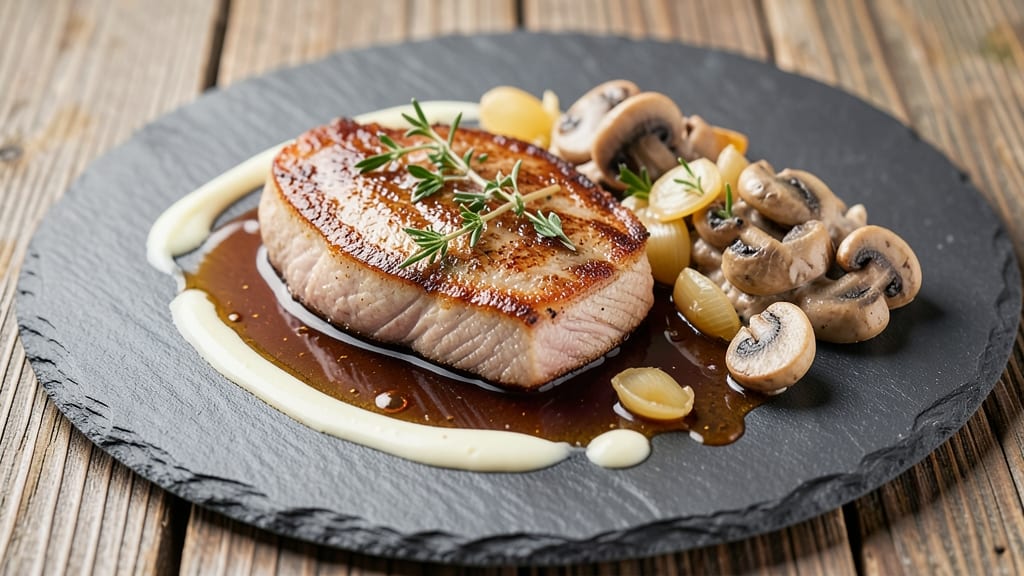
This Carrabba's Pork Chop Marsala sauce recipe delivers the rich, umami-packed depth that makes Italian-American cuisine unforgettable. The secret lies in a perfect balance of Marsala wine, mushrooms, and herbs that create a velvety reduction with complex layers of flavor—savory, slightly sweet, and deeply aromatic.
I've recreated this signature sauce using professional techniques that ensure restaurant-quality results at home, with every spoonful bursting with that signature Carrabba's taste.
The foundation of this sauce begins with a deep brown mushroom base, cooked until all moisture evaporates and their earthy flavors intensify. Marsala wine then transforms into a fragrant reduction that forms the sauce's heart, while butter and herbs add richness and brightness.
What makes this version special is the slow reduction process that develops those signature caramelized notes without burning the wine or overpowering the delicate mushroom flavor.
What you'll end up with is a glossy, velvety sauce with a perfect balance of acidity, sweetness, and umami depth—ideal for drizzling over pork chops, chicken, or even pasta. The sauce clings beautifully to proteins, creating that signature restaurant-quality finish that turns ordinary meals into something extraordinary.
This recipe delivers professional results with simple pantry ingredients and just 30 minutes of active time.
Use this sauce immediately for maximum impact, or store it in the refrigerator for up to 5 days—it actually improves as flavors meld. The versatility makes it perfect for weeknight dinners or special occasions, proving that restaurant-quality sauces are well within reach for home cooks.
Let's create this deep, flavorful reduction that will elevate your Italian-American meals.
Ingredients for carrabba's pork chop marsala sauce
Nine essential ingredients transform into Carrabba's signature velvety Marsala sauce—rich, umami-packed perfection that clings beautifully to proteins.
| Ingredient | Amount | Notes |
|---|---|---|
| Dry White Marsala Wine 🍷 | 1 cup | High-quality, not cooking wine |
| Creamy Mushroom Blend 🍄 | 8 oz | Cremini or baby bella preferred |
| Unsalted Butter 🧈 | 4 tbsp | Cold, cut into small cubes |
| Shallots 🧅 | 2 whole | Minced, about 2 tbsp |
| Garlic Cloves 🧄 | 3 cloves | Minced, not pressed |
| Fresh Thyme Leaves 🌿 | 1 tbsp | Or 1 tsp dried thyme |
| Fresh Parsley Leaves 🌿 | 2 tbsp | Chopped, for brightness |
| Diamond Crystal Kosher Salt 🧂 | ½ tsp | Adjust to taste |
| Black Peppercorns 🌶️ | ¼ tsp | Freshly cracked |
| All-Purpose Flour 🌾 | 1 tbsp | For slurry, optional |
The Marsala wine is non-negotiable here—look for high-quality dry Marsala at specialty stores or Italian markets. Ciro's or Antica Filiera brands deliver that authentic depth. Fresh mushrooms are ideal, but pre-sliced cremini from Trader Joe's work in a pinch. Shallots add delicate sweetness, so don't skip them—substitute extra onion if needed. The butter must be cold when added to prevent curdling, and European-style unsalted butter like Plugrá gives the best flavor. For the herbs, fresh thyme and parsley make all the difference over dried, but if you must use dried, measure half the amount.
No Marsala wine? Dry sherry or white wine vinegar can work in a pinch, though the flavor won't be identical. Substituting mushrooms with portobello slices or even finely chopped eggplant adds earthiness, but texture will differ. The flour slurry is optional but helps thicken the sauce—skip it for a looser, more elegant consistency. For extra depth, a splash of beef stock (¼ cup) can be added with the wine. If you're making this ahead, reduce the wine by 20% to prevent over-alcoholism—the sauce will intensify as it rests.
This sauce is best used immediately, but it keeps beautifully in the fridge for 5-7 days—flavors actually deepen overnight. For longer storage, freeze in ice cube trays and transfer to a container; thaw gently in the fridge. The sauce reheats perfectly—simmer gently over low heat and stir in a pat of butter at the end to restore richness. Portion into small jars for easy drizzling over pork chops, chicken, or even mashed potatoes. Every spoonful delivers that signature Carrabba's restaurant quality.
Why You'll Love This Recipe
- One-Pot Magic: That creamy mushroom blend and Marsala wine do all the work—just sear the pork, toss in the shallots and garlic, then let the sauce simmer. No chopping mountains of mushrooms or straining anything. Honestly, I’ve made this while scrolling through my phone.
- Restaurant-Quality Depth: The Marsala wine adds that rich, slightly tangy backbone, while the butter and mushrooms create this velvety, almost luxurious texture. It’s the kind of sauce that makes you pause mid-bite—like when you finally order that special dish at Carrabba’s and think, “Why didn’t I make this at home?”
- Weeknight & Weekend Ally: Throw it over pork chops for a fancy-ish dinner, or dump it on pasta for a lazy Sunday. Between us, I’ve even used the leftovers to stuff chicken breasts or top a grilled steak. It’s the kind of recipe that doesn’t quit.
- Budget-Friendly Luxury: Marsala wine might sound fancy, but a bottle lasts for so many batches—plus, the creamy mushroom blend cuts costs by skipping fresh mushrooms. I’ve fed four people for under $15, and they all asked for the recipe. Not bad for a sauce that tastes like it cost twice as much.
Step-by-step instructions for Carrabba's pork chop Marsala sauce
This umami-rich sauce delivers restaurant-quality depth with simple technique—let's create it together.
Cook the Mushrooms Until Golden
Melt 2 tablespoons of the unsalted butter in a large skillet over medium heat. Add the 8 oz creamy mushroom blend and cook undisturbed for 4-5 minutes until the mushrooms release their moisture and begin to brown. Stir occasionally to ensure even cooking, but resist the urge to move them constantly—this prevents steam from escaping and helps develop deep flavor.
You'll know they're ready when the mushrooms are deep golden brown and any liquid has mostly evaporated. This step builds the sauce's rich, earthy foundation. If the mushrooms stick, add a splash of dry white marsala wine to deglaze and keep them moving.
Sauté Aromatics for Maximum Flavor
Push the mushrooms to one side of the skillet and add the remaining 2 tablespoons unsalted butter. When the butter foams, add the minced shallots and cook for 2-3 minutes until softened and translucent. Add the minced garlic cloves and fresh thyme leaves, cooking for another 30 seconds until fragrant—this releases their essential oils and infuses the sauce with aromatic complexity.
Stir everything together, scraping up any browned bits from the bottom of the pan. These flavorful fond deposits, called fond de panache, are pure umami gold. If the mushrooms seem dry, add 1 tablespoon of the marsala wine to moisten them slightly while keeping their texture intact.
Deglaze with Marsala Wine
Pour in the 1 cup dry white marsala wine and increase heat to medium-high. Let it simmer for 3-4 minutes, stirring occasionally, until reduced by about half—this concentrates the wine's flavors and creates a syrupy base. You'll notice the aroma deepen as the alcohol cooks off, leaving behind rich, fruity notes.
Here's where the magic happens: Use a wooden spoon to scrape the bottom of the pan vigorously, ensuring all those flavorful browned bits dissolve into the sauce. This step is non-negotiable for authentic Carrabba's depth. If the sauce starts to stick, add another splash of wine or a few drops of water to maintain moisture.
Thicken and Finish the Sauce
Reduce heat to medium-low and stir in the 1 tbsp all-purpose flour to create a light slurry. Cook for 1-2 minutes, stirring constantly, until the sauce thickens to a velvety consistency that coats the back of a spoon. If it thickens too quickly, add 1-2 tablespoons of the reserved mushroom liquid or water to adjust the texture.
Season with ½ teaspoon diamond crystal kosher salt and ¼ teaspoon freshly cracked black peppercorns, then stir in the chopped fresh parsley leaves for brightness. The sauce should be glossy with a perfect balance of richness and acidity. If you're serving immediately, keep it warm over low heat—but don't let it boil, or the sauce will separate.
Serve Over Pork Chops
Ladle the warm sauce over 4 pork chops (previously cooked to 145°F internal temperature) and garnish with additional parsley if desired. The sauce should cling beautifully to the meat, creating a luxurious coating with each bite. For extra drama, drizzle a little extra sauce around the plate—this enhances presentation and ensures every bite delivers that signature umami punch.
This sauce keeps well for 3-4 days in the refrigerator, though it's best served fresh. If storing, reheat gently over low heat, stirring occasionally and adding a splash of water or wine if needed to restore the desired consistency. The key to success lies in patience and attention to detail—every step builds on the last to create that restaurant-quality result.
Pro Tips For Making Carrabba'S Pork Chop Marsala Sauce
- Deglaze Aggressively: Scrape the pan like your life depends on it after searing the pork—those browned bits are where the Marsala magic happens. I used to splash in the wine and stir lazily, but now I grab a wooden spoon and scrape every last crust. That’s how you get the rich, caramelized depth Carrabba’s sauce has.
- Sauté Shallots Low: Shallots burn faster than you’d think, especially when you’re distracted by the pork. Cook them on medium-low heat for 3-4 minutes until just soft—not golden—so they melt into the sauce without adding bitterness. Trust me, nobody wants to taste regret in their Marsala.
- Reduce Wine First: Don’t dump the entire bottle of Marsala in at once. Pour in half, let it simmer for 2-3 minutes until it’s reduced by a third before adding the rest. This concentrates the flavor and keeps the sauce from tasting like you’re drinking wine instead of eating it. (Yes, I’ve learned this the hard way.)
- Butter Last, Not First: Tossing butter in too early turns the sauce into a greasy mess. Wait until the mushrooms and Marsala have simmered together for 5 minutes—then stir in the butter off the heat. It’ll coat everything smoothly and give that velvety finish without breaking the sauce. (Your future self will notice the difference.)
Storing and reheating this recipe
Refrigerator Storage
Store your Marsala sauce in an airtight glass container (I love Pyrex with snap-on lids) for up to 5 days in the fridge. The flavors actually deepen as they meld—this sauce tastes even better the next day! Let it cool completely before sealing to prevent condensation. 💛
Freezer Preservation
For longer storage, freeze the sauce in ice cube trays—this makes portion control easy when reheating. Once frozen, transfer cubes to a freezer-safe bag with all air removed. Thaw overnight in the fridge before reheating. The sauce maintains its velvety texture for up to 3 months when frozen properly.
Reheating Techniques
Gently reheat refrigerated sauce on the stovetop over low heat, stirring occasionally. Add a pat of cold butter (about 1 tbsp) at the end to restore richness.
Never microwave—it breaks the sauce's emulsion and makes it grainy. For frozen portions, thaw first, then reheat with 1-2 tbsp water or Marsala wine to prevent thickening.
Texture Restoration
If your reheated sauce seems too thick, thin it with 1 tsp warm water or wine at a time until it reaches that perfect silky consistency. Conversely, if it's too thin, simmer uncovered for 1-2 minutes to reduce.
The goal is a sauce that coats the back of a spoon without being gluey—this is the hallmark of restaurant-quality Marsala.
Portioning Tips
Divide reheated sauce into small glass jars (like Weck jars) for easy drizzling. Store in the fridge for up to 3 days after reheating. I keep one jar in my fridge at all times—it's perfect for quick weeknight dinners.
Label with the date to track freshness, as the sauce's peak flavor window is 3-4 days post-reheating.
Flavor Boost Before Serving
Revive slightly flat-tasting reheated sauce by finishing with ½ tsp fresh lemon juice or a pinch of sugar (about ¼ tsp). The acidity brightens the mushrooms while the sugar enhances the Marsala's natural sweetness. This 10-second trick makes all the difference when serving over pork chops or pasta. ✨
Nutrition facts
Frequently asked questions
Can I substitute Marsala wine with something else?
Yes, but expect different flavor results. For a similar profile, use dry sherry or white wine vinegar diluted with water (1:1 ratio). If using white wine, add ½ teaspoon sugar to mimic Marsala's natural sweetness. Avoid sweet Marsala or cooking wine—they'll make the sauce taste artificial. For umami depth, consider adding 1 teaspoon soy sauce to the finished sauce.
Why did my sauce turn out too thin?
This usually happens from three issues: over-reducing the wine, not cooking mushrooms long enough (they need to release moisture), or adding too much liquid. For thicker results, reduce the wine longer (5-6 minutes instead of 3-4) or stir in 1 tbsp cornstarch mixed with 2 tbsp cold water at the end. The sauce should coat the back of a spoon but remain silky, not gluey.
Can I make this sauce ahead for a dinner party?
This sauce actually tastes better the next day as flavors meld. Make it 1-2 days ahead and store in an airtight container in the fridge. Reheat gently on the stove, adding 1 tbsp butter at the end to restore richness. For parties, portion into small jars—it reheats beautifully and looks elegant drizzled over pork chops at the last minute.
What's the best way to use leftover Marsala sauce?
Beyond pork chops, this versatile sauce elevates chicken piccata, roasted vegetables, or even mashed potatoes. For pasta, toss with fettuccine and top with grated Parmesan. It also makes a fantastic dipping sauce for breadsticks or crusty bread. Just remember: the sauce clings best to proteins, so avoid using it with delicate dishes like fish where it might overwhelm.
How do I adjust the flavor if it tastes too acidic?
Add a pinch of sugar (¼ tsp) or ½ teaspoon honey to balance the acidity. For extra depth, stir in 1 tbsp unsalted butter or a splash of beef broth** (1 tbsp). If the wine reduction was too aggressive, the sauce might need more sweetness—this is why using quality Marsala (not cooking wine) makes all the difference. Taste as you go and adjust gradually.