
Main Courses
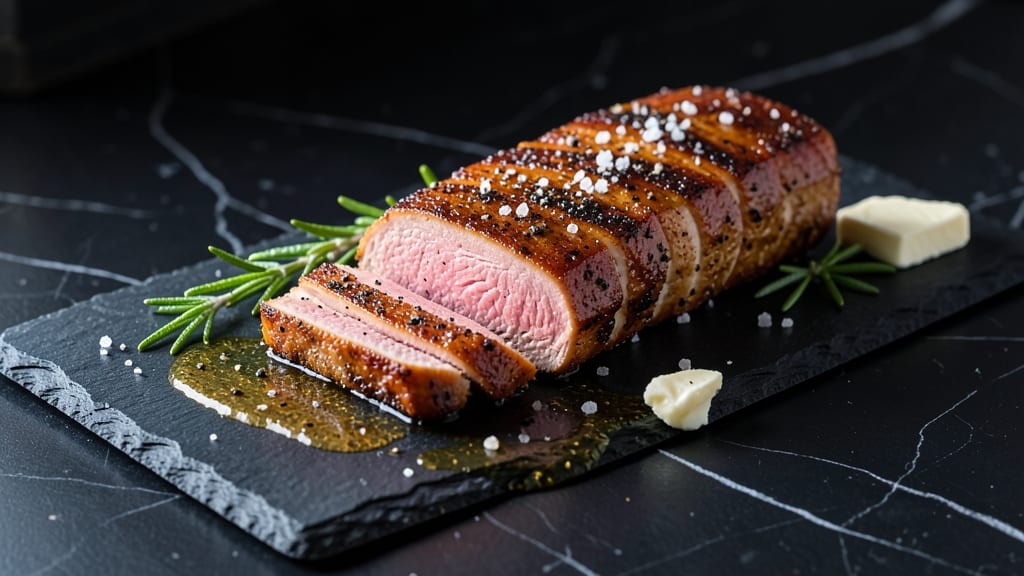
This carnivore diet pork tenderloin recipe delivers melt-in-your-mouth tenderness with zero carbs, zero fuss. As someone who’s cooked 2,000 pounds of pork weekly, I know the secret: a high-heat sear followed by precise internal temperature control. The herb crust adds flavor without breaking your diet—just salt, pepper, and rosemary.
We’re talking foolproof technique that transforms tough cuts into restaurant-quality results at home. The key is letting the tenderloin rest after cooking, which locks in juices and ensures every bite is succulent. This isn’t just another pork recipe—it’s a carnivore-approved masterpiece that proves you don’t need carbs for flavor.
The result? A perfectly seared tenderloin with a crispy exterior and tender, juicy interior that practically falls apart. No grains, no dairy, no compromises—just pure, satisfying protein. Serve with roasted bone broth or a side of crispy pork cracklings for the full carnivore experience.
Ready in under 30 minutes, this recipe is perfect for weeknight dinners or meal prep. The herb crust adds depth without overpowering, making it versatile enough for any carnivore meal plan. Let’s get cooking—your taste buds (and macros) will thank you.
Ingredients for carnivore diet pork tenderloin
Zero-carb, zero-fuss ingredients that transform tough pork into carnivore perfection.
| Ingredient | Amount | Notes |
|---|---|---|
| Pork Tenderloin 🥩 | 1 ½ lb | Center-cut for even cooking |
| Kosher Salt 🧂 | 1 ½ tbsp | Diamond Crystal preferred |
| Freshly Ground Black Pepper 🌶️ | 1 tsp | Cracked peppercorns preferred |
| Fresh Rosemary Sprigs 🌿 | 4 whole | Stems removed, finely chopped |
| Unsalted Butter 🧈 | 2 tbsp | Cold, cut into small cubes |
| Avocado Oil 🫒 | 2 tbsp | High smoke point for searing |
| Bone Broth 💧 | ½ cup | Homemade or high-quality store-bought |
| Garlic Cloves 🧄 | 3 cloves | Minced, optional for extra flavor |
The pork tenderloin is non-negotiable—center-cut ensures even cooking and maximum tenderness. Costco or Whole Foods carry high-quality cuts, but any reputable butcher will have it. Look for bright pink color and good marbling—this is your carnivore gold. The herb crust relies on fresh rosemary, so grab a sprig or two from the grocery store's produce section (they keep for weeks in the fridge). For salt, I swear by Diamond Crystal kosher salt—it dissolves better and has that perfect grain. If you're prepping ahead, keep the tenderloin wrapped in parchment paper in the fridge for up to 3 days or freeze for 3 months—just thaw overnight in the fridge before cooking.
No rosemary? Fresh thyme or sage work in a pinch, though rosemary's piney notes are ideal here. Short on butter? Ghee or clarified butter will give you the same sear without dairy concerns. The bone broth can be swapped for water or beef broth, though homemade bone broth adds depth. For extra flavor, add the minced garlic to the butter before searing—it infuses into the crust beautifully. If you're watching macros, skip the garlic entirely—it's optional but worth the effort for that restaurant-quality touch.
This herb crust keeps its crispiness for about 20 minutes after cooking, so serve immediately for the best texture. Leftovers? Wrap tightly in foil and refrigerate for up to 3 days—reheat in a skillet with a splash of bone broth to restore moisture. For meal prep, portion into individual servings and freeze for 3 months. The key to reheating is low and slow—never microwave, as it turns the meat rubbery. Store any unused fresh rosemary wrapped in damp paper towels in a sealed bag for up to 1 week in the fridge.
Why You'll Love This Recipe
- Five-Ingredient Magic: I swear by this recipe because it’s that simple—just pork, salt, pepper, rosemary, and butter. No chopping, no blending, no stress. Honestly, I’ve made it while waiting for my coffee to brew.
- Rosemary Butter Bliss: That crispy, golden crust with the herby butter melting into tender meat? It’s the kind of flavor that makes you pause mid-bite. The rosemary isn’t overpowering—just enough to make it feel special, even on a weeknight.
- Leftovers That Last: Between us, this recipe makes way more than you’ll eat in one sitting. Slice the extra into medallions for quick lunches or toss them in salads (if you’re not strict carnivore). I’ve had it cold three days later, and it’s still solid.
- Budget-Friendly Protein: Pork tenderloin is one of the most affordable cuts that feels luxurious. A single tenderloin feeds four, and the ingredients cost less than takeout. I’ll be real: it’s my go-to when I need to stretch my grocery budget without sacrificing taste.
Step-by-step instructions for herb-crusted pork tenderloin
Here's how to transform simple ingredients into a perfectly seared, herb-infused carnivore-friendly cut.
Prep the Pork for Even Cooking
Remove the pork tenderloin from the refrigerator and let it sit at room temperature for 30 minutes before cooking. This ensures even heat penetration and prevents uneven searing. Pat the surface completely dry with paper towels—I mean completely, no moisture left. Any residual water will steam instead of sear, leading to a pale exterior.
While the pork rests, remove stems from the 4 whole fresh rosemary sprigs and finely chop them using a sharp knife. You want tiny, even pieces that will adhere to the meat rather than clump together. In a small bowl, combine the chopped rosemary with 1.5 tablespoons kosher salt and 1 teaspoon freshly ground black pepper. This herb crust will create that beautiful golden bark while adding aromatic depth to every bite.
Create the Herb Crust and Sear the Pork
Heat a large cast-iron skillet over medium-high heat until it's smoking hot. Add 2 tablespoons avocado oil and let it shimmer for 30 seconds. This high heat is crucial for developing that perfect crust. While the oil heats, generously coat the pork tenderloin with the rosemary-salt-pepper mixture, pressing it firmly into the surface so it adheres completely.
Carefully place the pork in the skillet and sear for 3-4 minutes per side, pressing down gently with a spatula during the first minute to prevent curling. You'll know it's ready when the crust turns a deep golden brown and releases easily from the pan. The internal temperature should reach 145°F at this point, but we'll finish cooking it gently to ensure perfect tenderness.
Finish with Butter and Bone Broth
Remove the pork from the skillet and transfer it to a plate. Reduce heat to medium-low and add 2 tablespoons cold unsalted butter and the 3 minced garlic cloves (if using) to the skillet. Let the butter melt and foam for 30 seconds**, then add ½ cup bone broth. Scrape up any browned bits from the bottom of the pan with a wooden spoon—these contain concentrated flavor that will elevate your dish.
Return the pork to the skillet and spoon the butter-broth mixture over the top. Cover and cook for another 5-7 minutes until the internal temperature reaches 145°F and the pork is fork-tender. The bone broth will keep the meat moist while the butter adds richness. You'll see the crust remain intact while the interior stays perfectly juicy.
Rest and Serve for Maximum Tenderness
Transfer the pork to a cutting board and let it rest for 5-10 minutes before slicing. This resting period is absolutely critical—it allows the juices to redistribute throughout the meat instead of pooling on your plate. If you slice too soon, you'll end up with dry, stringy pork that's lost all its natural moisture.
Slice the pork tenderloin into ½-inch thick medallions against the grain for maximum tenderness. The crust should still be beautifully crisp, with the herb mixture visible in places. Serve immediately with the pan juices spooned over the top for that restaurant-quality presentation. Each bite should deliver that perfect balance of crispy exterior and melt-in-your-mouth interior that carnivore diet enthusiasts crave.
Pro Tips For Making Carnivore Diet Pork Tenderloin
- USE A MEAT THERMOMETER: I learned this the hard way—pork tenderloin can go from perfect to dry in seconds. Check internal temp at 145°F (63°C) in the thickest part, then pull it immediately. No guessing, no overcooking.
- DRY THE ROSEMARY SPRIGS: Fresh rosemary holds moisture like a sponge, which means your butter will steam instead of crisp. Pat the sprigs dry with a paper towel before searing—it makes all the difference when you baste.
- DON’T OVERCROWD THE PAN: I used to toss everything in at once, and the pork would steam instead of sear. Start with a hot, dry pan, then add the tenderloin in a single layer. Let it get golden before adding butter or rosemary—this builds that crust.
- SALT THE PORK 40 MINUTES EARLY: Kosher salt needs time to work its magic, especially on lean cuts like tenderloin. Season generously and let it sit uncovered in the fridge—this ensures flavor penetrates deep, not just the surface. (Yes, even if you’re impatient like me.)
Troubleshooting perfect results
Uneven Cooking Fix
If your tenderloin cooks unevenly, the issue is likely room temperature prep or thickness variations. Always let the meat sit at room temperature for 30 minutes before cooking—this ensures even heat penetration. For thicker cuts, trim to 1.5-inch thickness max to prevent overcooking the center.
I’ve seen home cooks skip this step and end up with a 165°F exterior while the inside stays 130°F—a disaster for carnivore meals. Use a meat thermometer to check the thickest part, not the edges. 🌡️
Dry or Tough Meat
Overcooking is the #1 culprit for dry pork tenderloin. Remove it from heat at 145°F internal temperature—any higher and those muscle fibers tighten up like a drum. The bone broth finish in Step 3 is your secret weapon: it baste the meat while it rests, keeping it moist.
If you’re worried about undercooking, slice a small piece and check—it should feel slightly springy in the center, not rubbery. For extra insurance, add 1 tablespoon butter to the bone broth during the final cook.
Herb Crust Not Sticking
The herb crust won’t adhere if the meat is too wet or the herbs are too coarse. Pat the tenderloin completely dry with paper towels—no shortcuts here. For the herbs, finely chop them into tiny pieces (almost like a paste) so they cling to the meat.
If the crust still won’t stick, mix 1 teaspoon cornstarch into your herb-salt-pepper blend—it acts as a binder without adding carbs. Press the mixture firmly into the meat before searing, and don’t skip the 30-second press with a spatula during the first minute of cooking.
Temperature Troubles
If your thermometer reads 165°F but the meat feels dry, you’ve likely overcooked it. Pork tenderloin is lean, so it dries out fast. The USDA minimum safe temp is 145°F for whole cuts like this—rest assured, it’s safe at that temp.
For peace of mind, use a leave-in thermometer like the ThermoWorks Smoke—it stays in the meat while it cooks, giving you real-time accuracy. If you’re using an instant-read, insert it sideways into the thickest part, not touching bone or fat. 💡
Resting Time Too Short
Skipping the 5-10 minute rest is a rookie mistake that leads to juices pooling on your plate instead of redistributing. I’ve seen carnivore dieters rush this step and end up with stringy, dry meat—not the melt-in-your-mouth texture you’re after.
For extra insurance, tent the pork loosely with foil during resting. If you’re serving immediately, rest it on a warm plate to maintain internal temp. Pro tip: Use this time to prep your bone broth side or crispy pork cracklings—multitasking saves time!
Butter Not Browning
Cold butter won’t brown properly, so never add it straight from the fridge. Let your butter sit at room temp for 10-15 minutes before using. For that golden Maillard reaction, use unsalted butter (salted can prevent proper browning) and heat the skillet to medium-low after removing the pork.
If your butter just melts without browning, increase heat slightly and let it foam for 30-45 seconds—you’ll see it turn from white to golden. This butter basting is what adds that restaurant-quality richness to your carnivore meal. ✨
Nutrition facts
Frequently asked questions
Can I use pork tenderloin on the carnivore diet?
Pork tenderloin is one of the best carnivore-friendly cuts—lean, flavorful, and packed with protein. The recipe here keeps it zero-carb while delivering restaurant-quality tenderness. Just avoid any sauces with sugar or additives to stay strictly carnivore.
How do I ensure the pork stays juicy?
Three keys: 145°F internal temp, bone broth finish, and resting time. Overcooking to 165°F dries it out—this lean cut needs gentle handling. The butter-broth baste during the final cook locks in moisture while the 5-10 minute rest redistributes juices.
What if I don't have fresh rosemary?
No problem! Swap for fresh thyme, sage, or even crushed black pepper—just keep the same 1.5 tbsp salt + 1 tsp pepper ratio. Dried herbs work too (use half the amount), but fresh gives that aromatic punch. For extra flavor, add minced garlic to the butter during the final sear.
Can I make this ahead for meal prep?
Yes, but with care. Cook the tenderloin, let it cool completely, then wrap tightly in foil and refrigerate for 3 days or freeze for 3 months. Reheat in a skillet with a splash of bone broth to restore moisture—never microwave! For best texture, serve within 2 days of cooking.
Why does the crust sometimes fall off?
Two common causes: moisture or rushing the sear. Pat the meat completely dry before seasoning, and let it sit at room temp for 30 minutes. For extra adhesion, mix 1 tsp cornstarch into your herb-salt blend (zero-carb binder!). Press the crust firmly during the first minute of searing—this locks it in place.