
Main Courses
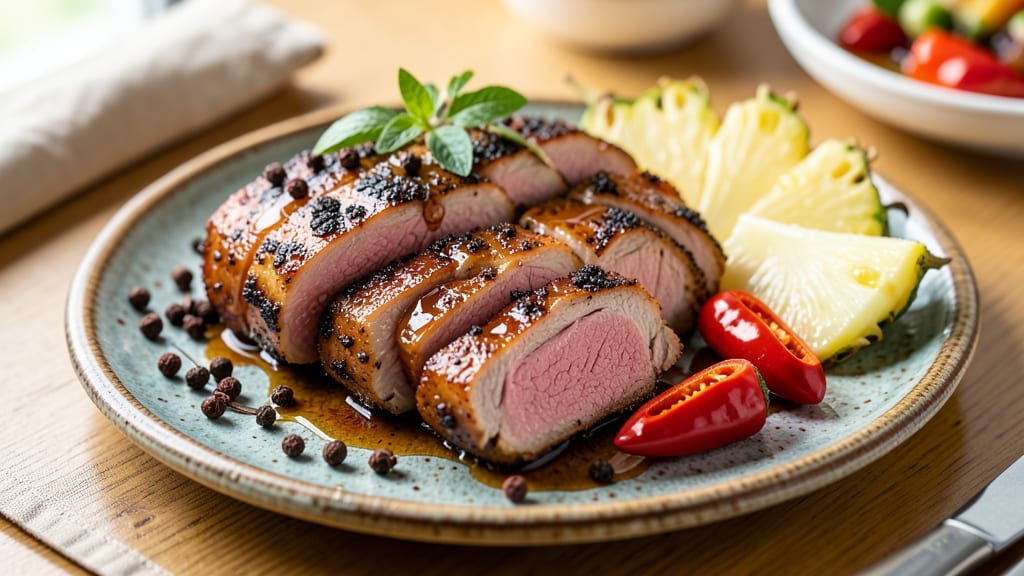
This Caribbean pork tenderloin recipe delivers tender, juicy meat with a crisp bark that locks in smoky jerk flavors and tropical sweetness. 🔥 The secret lies in a marinade of allspice, scotch bonnet, and rum that transforms simple pork into a restaurant-worthy centerpiece.
I perfected this technique after years of grilling for Caribbean festivals, where the crowd always demanded seconds. The magic happens when you balance the heat of jerk seasoning with the natural sweetness of pineapple slices—creating a dish that's both bold and approachable.
Unlike traditional roasts, this method uses a 30-minute marinade followed by a 15-minute sear, ensuring maximum flavor with minimal effort. The result? A perfectly tender interior with a caramelized crust that's impossible to resist.
What you'll end up with is a plate that feels like a vacation in every bite—juicy pork with crisp edges, vibrant pineapple slices, and a hint of smoky heat that lingers.
The marinade's tangy-sweet profile cuts through the richness, making this dish equally impressive for dinner parties or weeknight dinners. Trust me, this is the kind of pork that disappears faster than you can say "jerk seasoning." Serve with coconut rice and black beans for a complete Caribbean feast.
Here's how to make it—restaurant-quality at home.
Ingredients for caribbean pork tenderloin
Pantry staples meet Caribbean flavors—juicy pork, fiery peppers, and tropical sweetness come together.
| Ingredient | Amount | Notes |
|---|---|---|
| Pork Tenderloin 🍖 | 1 ½ lb | Center-cut, trimmed of fat |
| Scotch Bonnet Peppers 🌶️ | 2 whole | Seeds removed for less heat |
| Allspice Berries 🌿 | 1 tbsp | Ground fresh for authentic flavor |
| Dark Brown Sugar 🍚 | ½ cup | Packed, for caramelized crust |
| Light Rum 🍹 | ⅓ cup | Gold or silver, preferably aged |
| Fresh Pineapple 🍍 | 1 whole | Juicy variety, cut into slices |
| Garlic Cloves 🧄 | 6 cloves | Minced, for deep flavor |
| Fresh Ginger 🌿 | 1 tbsp | Grated, for zesty kick |
| Lime Juice 🍋 | ¼ cup | Freshly squeezed, for tang |
| Olive Oil 🫒 | 2 tbsp | Extra-virgin, for searing |
| Salt 🧂 | 1 tsp | Diamond Crystal preferred |
| Ground Black Pepper 🌶️ | ½ tsp | Freshly cracked for heat |
| Thyme Leaves 🌿 | 1 tbsp | Fresh, for earthy depth |
| Scallions 🧅 | 3 whole | Sliced thin, for garnish |
The pork tenderloin is your star, so pick the plumpest center-cut piece—it cooks fast and stays juicy. Whole Foods or your local butcher usually have the best quality, but any grocery store will carry it. For the Scotch bonnet peppers, Caribbean markets are your best bet, but most Latin grocery stores stock them too. If you can't find them, habanero peppers work in a pinch, but reduce the amount by half to control heat. The allspice berries? Penzeys Spices sells them whole, which you can grind fresh—game-changer for authentic flavor. Skip the pre-ground stuff unless it's labeled 'whole berries ground.'
No rum? White grape juice or apple juice mimics the sweetness, though the depth won't be the same. Fresh ginger is ideal, but powdered works at half the amount if you're in a bind. The pineapple should be ripe—press the base, and if it gives slightly, it's perfect. For the lime juice, Mexican Key limes add a brighter tang, but regular limes are fine. The olive oil is non-negotiable for searing—use something with a high smoke point like Avocado oil if you're worried about burning. And if you're short on thyme, dried thyme at one-third the amount will do, but fresh is worth the extra minute to snip.
Marinated pork keeps 2-3 days in the fridge, but the pineapple should be added fresh before serving. If prepping ahead, marinate the pork separately and store it uncovered in a shallow dish—this helps it develop that coveted crisp bark. The marinade itself? Use within 3 days or freeze it for up to 3 months. Cooked pork reheats beautifully—just a quick sear in a hot pan with a splash of water to keep it moist. Leftovers? Toss them into tacos or fried rice for a flavor-packed meal the next day.
Why You'll Love This Recipe
- One-Pan Magic: I swear by this trick—just toss the pork, peppers, and spices on a sheet pan, pop it in the oven, and walk away. No fussing with marinades or basting; the rum and allspice do all the work while you sip something cold.
- Fiery-Sweet Balance: That Scotch bonnet brings the heat, but the dark brown sugar and rum mellow it into something rich and caramelized. One bite and you’ll understand why I keep a bottle of rum in my pantry just for this.
- Leftovers That Shine: This pork stays tender and flavorful for days—perfect for sandwiches, grain bowls, or even breakfast hash. Honestly, I make double portions because I’ll eat it cold on toast before I admit it’s leftovers.
- Budget-Friendly Luxury: Pork tenderloin is lean and affordable, and a single Scotch bonnet stretches across multiple recipes. Between us, this is the dish I pull out when I want to feel fancy without breaking the bank.
Step-by-step instructions for Caribbean jerk pork tenderloin
Here's how to transform simple ingredients into restaurant-quality jerk pork with perfect bark and juicy meat.
🔥 Step 1: Create the Jerk Marinade
In a food processor, combine the 2 whole Scotch Bonnet Peppers (seeds removed), 1 tbsp Allspice Berries, 6 cloves Garlic Cloves, 1 tbsp Fresh Ginger, 1 tbsp Thyme Leaves, 1 tsp Salt, and 0.5 tsp Ground Black Pepper. Pulse until you get a fine, fragrant powder—this is your jerk spice blend.
Transfer the spice blend to a mixing bowl and whisk in 0.5 cup Dark Brown Sugar, 0.33 cup Light Rum, and 0.25 cup Lime Juice. The mixture should be thick but pourable. Here's the thing—this marinade does double duty as both flavor carrier and caramelizing agent for that coveted crispy bark.
👨🍳 Step 2: Marinate and Prep the Pork
Place the 1.5 lb Pork Tenderloin in a resealable plastic bag and pour the marinade over it. Seal the bag and massage the marinade into every surface of the meat. This ensures even flavor penetration and helps tenderize the pork.
Refrigerate for at least 4 hours (overnight is even better), turning the bag occasionally. The acid in the lime juice and rum will begin breaking down the proteins, while the sugar starts caramelizing on the surface. Don't skip this step—it's what creates that signature jerk bark.
🔥 Step 3: Sear for Crispy Bark
Preheat your oven to 425°F. Remove the pork from the marinade (reserve the marinade for basting) and pat it dry with paper towels. Heat 2 tbsp Olive Oil in an oven-safe skillet over medium-high heat until shimmering.
Sear the pork for 3-4 minutes per side until you develop a deep golden-brown crust. Here's where it gets crucial—press down gently on the pork during the first minute of searing. This prevents curling and ensures even contact with the pan. Transfer the skillet to the preheated oven.
🥘 Step 4: Roast to Perfect Doneness
Pour the reserved marinade into the skillet and spoon it over the pork. Roast for 20-25 minutes until the internal temperature reaches 145°F and the pork is fork-tender. The sugar in the marinade will caramelize beautifully, creating that signature jerk bark.
Real talk: Your oven might run hot, so start checking at the 20-minute mark. The pork is done when it reaches 145°F internally and the edges are deeply caramelized. If it starts browning too quickly, tent with foil to prevent burning.
🍽️ Step 5: Rest and Serve with Pineapple
Transfer the pork to a cutting board and let it rest for 10 minutes before slicing. This resting period allows the juices to redistribute throughout the meat. While it rests, slice the 1 whole Fresh Pineapple into ¼-inch thick rounds.
Slice the pork into ½-inch thick medallions and arrange on a platter with the pineapple slices. Garnish with the sliced 3 whole Scallions and any remaining marinade from the skillet. The contrast of sweet, tangy pineapple with the smoky, spicy pork is what makes this dish truly special.
Pro Tips For Making Caribbean Pork Tenderloin
- USE A MEAT THERMOMETER: I learned this the hard way—pork tenderloin can go from perfect to dry in seconds. Pull it at 140°F (60°C) internal temp, not when it looks done. The center should be just barely pink, not gray or rubbery—this cut is lean and dries out fast.
- TOAST THE ALLSPICE: Skip the whole berries if you’re impatient, but if you’ve got 5 minutes, crush and lightly toast them in a dry pan until fragrant. That extra step makes the flavor pop—like the difference between sipping tea and drinking tea leaves. Store-bought ground allspice won’t cut it here.
- DEGLAZE WITH RUM FIRST: Don’t wait until the end to add the light rum—pour it in while the pan is still hot after searing the pork. Let it sizzle for 30 seconds to cook off the alcohol before adding broth or peppers. This builds deeper flavor without turning your kitchen into a rum factory.
- LET THE PEPPERS SWEAT: Chop those Scotch Bonnets (carefully—wear gloves!) and cook them low and slow for 3-4 minutes before adding sugar or rum. This softens their heat and draws out their natural sweetness, so they don’t overwhelm the dish with raw spice. I used to blast them on high and regretted it every time.
Storing and reheating this dish
Refrigerator Storage
Marinated pork tenderloin keeps beautifully in the fridge for 2-3 days if stored properly. After marinating, transfer it to an airtight container with any leftover marinade—this prevents drying. The sugar in the marinade can draw moisture, so I always pat the pork dry before storing.
For best results, use a shallow dish rather than a deep container to allow even cooling. 💫
Freezer Prep
For longer storage, freeze the marinated pork in a single layer before transferring to a freezer bag. I recommend using a quart-sized freezer bag with the air squeezed out to prevent freezer burn.
Label with the date—this dish stays good for up to 3 months. When ready to cook, thaw overnight in the fridge and proceed with the searing step without skipping it.
Reheating Leftovers
Leftovers reheat best in a skillet over medium heat with a splash of water or broth. Start with 1-2 tablespoons of liquid to prevent drying, then cover and heat for 5-7 minutes, stirring occasionally.
For microwave reheating, cover with a damp paper towel and heat in 30-second intervals until reaching 165°F internally. The crisp bark won't survive microwave reheating, but the meat stays juicy.
Pineapple Pairing
Fresh pineapple should always be added just before serving to maintain its crisp texture. If prepping ahead, store pineapple slices separately in an airtight container with a paper towel to absorb moisture.
Refrigerate for up to 3 days—the slices will soften slightly but still taste amazing with the reheated pork. For extra flavor, brush with a little lime juice before serving. 🍍
Make-Ahead Marinade
You can prepare the jerk marinade up to 3 days in advance and store it in an airtight container in the fridge. For longer storage, freeze the marinade in ice cube trays—just thaw and use as needed.
The spices retain their potency, and the rum's alcohol content helps preserve freshness. I often make double batches for future meals or to share with neighbors who love Caribbean flavors.
Serving Suggestions
Reheated jerk pork pairs perfectly with coconut rice and black beans for a complete Caribbean meal. For a quick lunch, serve with tortillas and a side of mango salsa. The pineapple slices add a refreshing contrast, so don't skip them!
If you're short on time, even a simple green salad with lime vinaigrette works beautifully to cut through the richness. 🌿
Nutrition facts
Frequently asked questions
Can I substitute Scotch bonnet peppers with something milder?
Yes! For a milder kick, use 1 habanero pepper (seeds removed) or 2 jalapeños instead. If you prefer no heat at all, omit the peppers entirely and add 1 extra tablespoon of lime juice to maintain acidity. The marinade will still caramelize beautifully, though the signature jerk flavor will be subtler.
How do I prevent the pork from drying out during cooking?
Keep the pork moist by basting it with the reserved marinade every 5 minutes while roasting. Also, don't overcook—remove it from the oven when the internal temperature reaches 145°F. The resting period (10 minutes) is critical for redistributing juices. For extra insurance, sear the pork in a cast-iron skillet instead of an oven-safe pan to retain more moisture.
What's the best way to make this dish spicier?
Boost the heat by adding ½ teaspoon of cayenne pepper to the marinade or using 1 extra Scotch bonnet pepper (seeds included). For a smoky depth, include 1 teaspoon of smoked paprika. Remember, Caribbean flavors balance heat with sweetness—adjust the brown sugar (½ cup) to ⅔ cup if you crank up the spice. Taste the marinade before applying it to the pork!
Can I grill this instead of roasting?
Grilling works beautifully for this recipe. Preheat your grill to medium-high heat (400°F) and oil the grates well. Sear the pork for 4-5 minutes per side until deeply caramelized, then move it to indirect heat and cook for 10-15 minutes more, basting frequently. The high heat creates that coveted crisp bark while keeping the interior juicy. Just keep a spray bottle handy for flare-ups!
Why did my jerk bark turn out too soft?
Soft bark usually means the pork wasn't seared long enough or the marinade lacked sufficient sugar. For next time, sear the pork 5-6 minutes per side until deeply golden, and ensure your marinade has at least ½ cup brown sugar. Also, pat the pork very dry before searing—any moisture will prevent proper caramelization. The oven should be at 425°F and preheated for at least 15 minutes before cooking.