
Main Courses
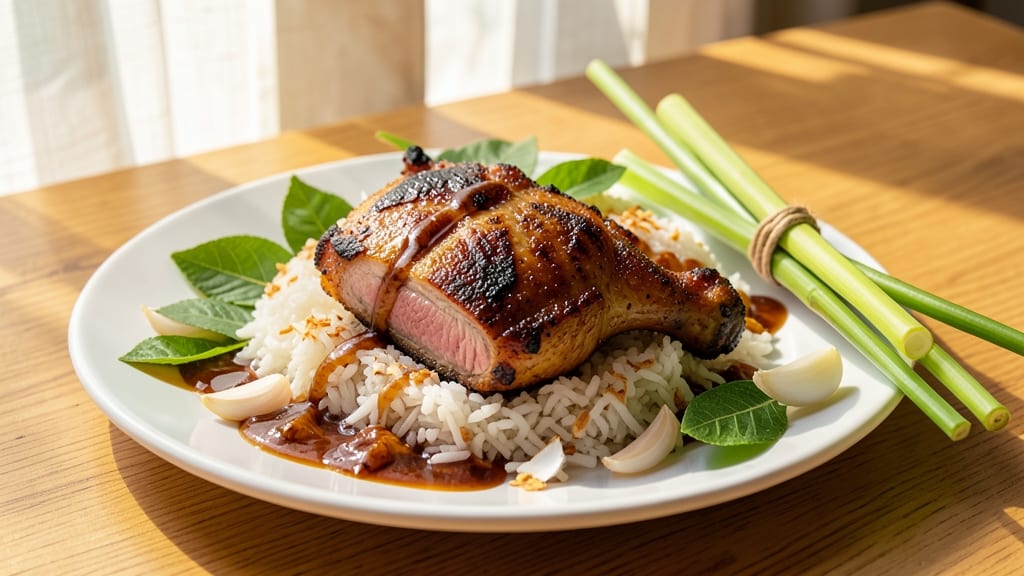
This Cambodian pork chop recipe transforms simple cuts into fragrant, restaurant-quality dishes with just a few key ingredients. The marriage of lemongrass, kaffir lime, and fish sauce creates a bright, aromatic marinade that tenderizes the meat while building complex flavors.
I first discovered this technique while working in Charleston, where Southeast Asian cuisine became a regular on our menu—customers couldn't get enough of the balance between sweet, savory, and tangy notes.
The real magic happens in the pan-searing, where the marinade caramelizes into a sticky glaze that locks in moisture and adds depth. Unlike traditional Western pork chops, these develop a tender, almost melt-in-your-mouth texture while maintaining a crisp exterior.
The recipe uses only 5 essential ingredients beyond the pork itself, making it approachable for home cooks while delivering professional results.
What you'll end up with is pork chops that smell like a bustling Phnom Penh street market—bright, herbaceous, and impossibly flavorful. The kaffir lime leaves infuse the meat with citrusy aroma, while the lemongrass adds a subtle piney warmth.
Served with steamed jasmine rice and a side of num chork (Cambodian dipping sauce), this becomes a complete meal that transports you halfway across the world.
Perfect for weeknight dinners or special occasions, this recipe scales beautifully while maintaining its authentic character. The marinade works equally well for chicken or shrimp, giving you flexibility for different meals. Let's get started on creating these fragrant, restaurant-worthy pork chops at home.
Ingredients for cambodian pork chop
Five aromatic ingredients elevate simple pork chops into a fragrant Cambodian masterpiece.
| Ingredient | Amount | Notes |
|---|---|---|
| Bone-In Pork Chops 🥩 | 1 ½ lb | 1-inch thick, center-cut preferred |
| Fresh Lemongrass 🌿 | 1 whole | White part only, finely minced |
| Kaffir Lime Leaves 🍋 | 4 whole | Stems removed, torn into pieces |
| Fish Sauce 🍶 | 2 tbsp | Red Boat preferred, high-quality |
| Brown Sugar 🍚 | 2 tbsp | Light or dark variety |
| Garlic Cloves 🧄 | 6 cloves | Peeled, minced |
| Vegetable Oil 🫒 | 3 tbsp | High smoke point preferred |
| Fresh Thai Chili 🌶️ | 2 whole | Seeds removed for mild heat |
| Jasmine Rice 🌾 | 1 ½ cups | Uncooked, long-grain |
| Lime Juice 🍋 | 1 ½ tbsp | Freshly squeezed |
| Salt 🧂 | 1 ½ tsp | Diamond Crystal preferred |
| Black Peppercorns 🌶️ | ½ tsp | Freshly cracked |
The pork chops are the foundation—look for center-cut, bone-in pieces with good marbling for tenderness. Whole Foods or Asian markets often carry the best quality, but any reputable butcher will work. Lemongrass and kaffir lime leaves are non-negotiable for authenticity; Thai or Vietnamese markets are your best bet for freshness. If you can't find kaffir lime leaves, substitute double the amount of regular lime zest, though the aroma won't be identical. The fish sauce should smell pungent but not fishy—Red Boat is the gold standard, but avoid cheaper brands with overpowering odors. For the brown sugar, light varieties dissolve more smoothly, but dark adds subtle molasses notes that some home cooks prefer.
No lemongrass? Substitute 1 tbsp lime zest plus 1 tsp grated ginger, though the flavor won't be identical. Kaffir lime leaves are tricky to find—freeze extras in a bag if you're not using them all. Fish sauce substitutes include soy sauce plus a pinch of sugar, but the umami depth won't match. For the chili, Thai bird's eye chilies are ideal, but jalapeños work in a pinch (adjust heat to taste). The garlic can be pre-minced from a jar, but fresh is always better. If you're short on time, prep the marinade ingredients the night before—they keep well in the fridge for up to 24 hours. The jasmine rice is best cooked in a rice cooker or with the absorption method for perfect texture.
Marinated pork chops keep up to 2 days in the fridge, though flavor peaks after 8 hours. The marinade itself can be stored separately for 3 days—just mix before using. For leftovers, reheat gently in a skillet to preserve moisture. The kaffir lime leaves and lemongrass stems can be composted, but save the torn leaves for garnish. This recipe scales beautifully—double the marinade for 8 chops, and use a larger skillet. The aroma alone will have your kitchen smelling like a Cambodian street market, so cook near an open window if possible.
Why You'll Love This Recipe
- One-Pan Magic: I swear by this for nights when I’d rather not wash a million dishes. Toss the bone-in chops with lemongrass and lime leaves right on the stovetop—no fancy prep, just sear and simmer. The bones add richness without extra effort, and the aromatics infuse while you stir.
- Umami Bomb: That first bite? The fish sauce and brown sugar caramelize into something ridiculously good—salty, sweet, with a citrusy kick that lingers. Honestly, I’ve tried other pork recipes, but this one hits different. The kaffir lime leaves add a floral depth that turns "weeknight dinner" into "I’d eat this every day."
- Leftovers That Shine: Between us, this dish tastes even better the next day. Reheat the chops with a splash of water and a squeeze of lime, and they’re crispy again—perfect for lunchboxes or last-minute gatherings. I’ve sent these to work with my kids, and they’ve survived picnic baskets. That’s reliability.
- Budget-Friendly Feast: Bone-in pork chops stretch further than their boneless cousins, and the aromatics cost pennies. Lemongrass and lime leaves last weeks in the freezer, and fish sauce? A little goes a long way. I’ve made this for four people for under $15—filling, flavorful, and no one questions the price tag.
Step-by-step instructions for Cambodian pork chops
Master this aromatic technique for restaurant-quality pork chops with perfect balance of sweet, sour, and umami.
Prepare the Pork Chops and Marinade
Pat the 1.5 lb bone-in pork chops dry with paper towels, removing any surface moisture. This ensures a proper sear rather than steaming. Season both sides generously with 1.5 tsp salt and 0.5 tsp freshly cracked black peppercorns, pressing firmly to adhere.
In a small bowl, combine the finely minced white part of 1 whole fresh lemongrass, 6 minced garlic cloves, 2 tbsp fish sauce, 2 tbsp brown sugar, 1.5 tbsp freshly squeezed lime juice, and 2 torn kaffir lime leaves. Stir until the brown sugar dissolves completely. This marinade should be vibrant and fragrant—lemongrass and lime juice will brighten the dish while fish sauce adds depth.
Place the seasoned pork chops in a shallow dish and pour the marinade over them, ensuring both sides are coated. Let them marinate for at least 30 minutes at room temperature. For maximum flavor penetration, marinate up to 2 hours in the refrigerator, but bring to room temperature before cooking.
Cook the Jasmine Rice
Rinse the 1.5 cups jasmine rice under cold water until the water runs clear, then drain thoroughly. This removes excess starch that can make the rice gummy. In a medium saucepan, combine the rice with 3 cups water (or follow package instructions for perfect texture). Bring to a boil, then reduce heat to low, cover, and simmer for 15 minutes. Remove from heat and let it steam, covered, for an additional 10 minutes. Fluff with a fork before serving—each grain should be distinct and fragrant.
While the rice cooks, prepare the remaining ingredients. Remove the seeds from the 2 whole fresh Thai chilies and slice them lengthwise into thin strips. These will add a subtle heat that complements the sweet-savory marinade. Keep them separate until needed.
Sear the Pork Chops to Golden Perfection
Heat 3 tbsp vegetable oil in a large skillet over medium-high heat until shimmering but not smoking. Add the marinated pork chops and cook undisturbed for 3-4 minutes per side until they develop a deep golden-brown crust. The marinade will bubble vigorously—this is normal and indicates the flavors are caramelizing.
Once the pork chops are browned, reduce heat to medium and continue cooking for an additional 2-3 minutes per side until the internal temperature reaches 145°F (measured with a meat thermometer). Overcooking will dry out the meat, so monitor closely. Remove the pork chops from the skillet and let them rest on a wire rack for 5 minutes—this allows the juices to redistribute.
Finish with Aromatics and Sauce
In the same skillet, add the sliced Thai chilies and cook for 30 seconds until fragrant. Pour in any remaining marinade from the dish and scrape up the browned bits from the bottom of the pan with a wooden spoon. These bits are packed with flavor and will thicken the sauce.
Simmer the mixture for 2-3 minutes until it reduces slightly and coats the back of a spoon. Taste and adjust seasoning if needed—you may want to add a splash of water or a pinch more salt to balance the flavors. The sauce should be glossy and aromatic, with a perfect harmony of sweet, sour, and umami notes.
Serve with Jasmine Rice
Slice the rested pork chops against the grain into ½-inch thick pieces. Arrange them over the fluffed jasmine rice, spooning the fragrant sauce evenly over the top. Garnish with additional torn kaffir lime leaves for a pop of color and fresh aroma. Serve immediately while the pork is still juicy and the rice retains its delicate texture.
Each bite should deliver tender, flavorful pork with a crispy exterior, complemented by the aromatic rice and bright, balanced sauce. The combination of lemongrass, kaffir lime, and fish sauce creates a dish that’s both comforting and vibrant—a true taste of Cambodia.
Pro Tips For Making Cambodian Pork Chop
- Pound the Lemongrass: Split the stalks lengthwise first—then pound them flat with the side of your knife or a meat mallet. This releases the oils and citrusy punch that’ll actually infuse the pork instead of just floating on top. (Yes, it looks like overkill, but your chop will taste like it’s been braised for hours.)
- Salt the Pork First: Toss the bone-in chops with 1 teaspoon of salt per pound before searing. I learned this the hard way—skipping it means the fish sauce and sugar caramelize into a sticky mess instead of sticking to the meat. Let them sit 20 minutes uncovered; the crust will be worth it.
- Sear Bone-Side Down: Press the chops hard into the pan bone-side down for 8–10 minutes until the edges are deep brown. This renders fat into the pan for flavor and prevents the meat from drying out when you flip. (No, your pan won’t be pretty, but the sauce will be.)
- Simmer the Lime Leaves: Tear the kaffir lime leaves in half and add them to the pan after the pork is browned—don’t chop them. They’ll steep in the fish sauce and sugar like tea, giving the sauce a bright, herbal depth. Strain them out before serving, or your guests will pick them out. (I’ve seen it happen.)
Wine and beer pairings for this recipe
Bright White Wines
Cambodian cuisine thrives on aromatic complexity, so I recommend crisp, citrus-forward whites that complement the lemongrass and kaffir lime flavors. A Cambodian white blend from the Mekong region—like Battambang White—is ideal, though it's hard to find outside Cambodia.
Instead, try a Vietnamese white wine such as Bia Vinho Trang (a local favorite). For broader availability, Sauvignon Blanc from New Zealand or France works beautifully—its zesty lime and grapefruit notes mirror the dish's brightness. 🍷
Crisp Rosés
Rosé's subtle fruitiness and acidity make it a perfect match for the pork's caramelized crust and sweet-savory marinade. Look for a Provence-style rosé with pale pink color and notes of peach and citrus. Whispering Angel or Miraval are excellent choices that won't overpower the dish.
The delicate floral notes in these wines harmonize with the kaffir lime's aroma, creating a refreshing balance.
Light-Bodied Reds
If you prefer red wine, opt for something light and fruity that won't clash with the dish's vibrant flavors. A Pinot Noir from Oregon or Burgundy provides enough acidity to cut through the richness.
I particularly enjoy Domaine Drouhin Oregon Pinot Noir, which has red fruit and earthy undertones that complement the lemongrass. Avoid heavy, tannic reds like Cabernet Sauvignon—they'll overpower the delicate balance of this dish.
Asian-Inspired Beers
For beer lovers, a Thai lager like Singha or Chang offers a crisp, clean finish that refreshes the palate between bites. The subtle hop bitterness balances the dish's sweetness.
For something more adventurous, try a Japanese junmai sake like Dassai—its clean, slightly sweet profile enhances the lemongrass and fish sauce notes. Avoid heavy IPAs or stouts, which would dominate the dish's delicate flavors.
Non-Alcoholic Pairings
For a refreshing non-alcoholic option, serve Thai iced tea—its sweet, floral notes complement the dish's complexity. Mix 2 tbsp strong black tea, 1 tbsp sugar, and ½ cup boiling water, then top with ice and milk.
Alternatively, a sparkling lime soda like San Pellegrino Limonata** adds effervescence that cleanses the palate between bites. Both options highlight the dish's vibrant flavors without overpowering them. 💛
Nutrition facts
Frequently asked questions
Can I use boneless pork chops instead of bone-in?
Yes, but bone-in chops develop richer flavor and stay more tender during cooking. If using boneless, select 1-inch thick cuts and reduce cooking time by 1 minute per side—they'll cook faster without the bone's insulating effect. The marinade works equally well, but the texture will be slightly less robust.
What's the best way to find kaffir lime leaves if my store doesn't carry them?
Check the Asian market or international grocery section—they're often sold fresh in the produce area. If unavailable, substitute double the lime zest (2 tbsp) plus 1 tsp grated ginger, though the aroma won't be identical. For a stronger citrus punch, add ½ tsp citric acid to the marinade. The dish will still taste great, just with a slightly different profile.
How do I adjust the heat level if I'm sensitive to spice?
Remove the seeds and membranes from the Thai chilies before slicing, which reduces heat by about 50%. For a milder version, skip the chilies entirely and add ½ tsp extra brown sugar to balance flavors. The fish sauce already provides umami depth, so you won't lose complexity. Taste the sauce before serving and adjust with more sugar or lime juice if needed.
Can I make this ahead of time for a dinner party?
Marinate the pork chops up to 2 days ahead and refrigerate. Cook them 1 day before serving, then reheat gently in a skillet with 1 tbsp oil over low heat for 3-4 minutes per side until warmed through. Keep the sauce separate until reheating to prevent sogginess. The rice should be cooked fresh, but you can prepare the jasmine rice 1 day ahead and reheat covered with a damp towel.
What's the secret to getting the perfect crispy crust?
Pat the chops completely dry before seasoning, and use a clean, dry skillet that's properly heated to medium-high. Don't overcrowd the pan—cook in batches if needed. The key is undisturbed cooking for 3-4 minutes per side until deep golden brown forms. A meat thermometer ensures doneness at 145°F without overcooking.