
Main Courses
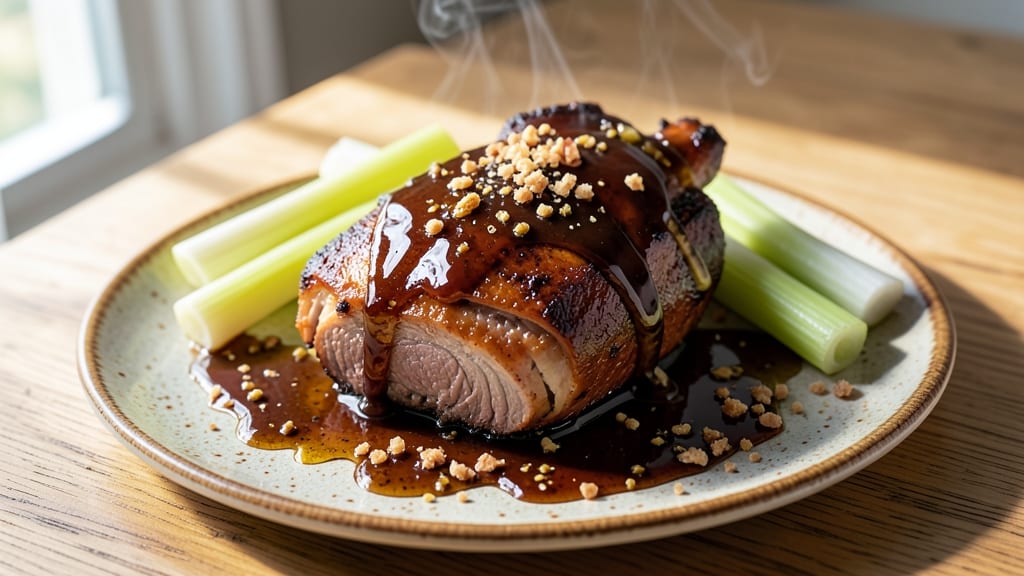
This cacoila pork recipe brings the vibrant flavors of Filipino cuisine to your table with tender, sweet-spiced pork topped with crispy celery crowns. ✨ As someone who's spent years perfecting pork dishes, I can tell you this method transforms simple ingredients into a restaurant-worthy meal that's surprisingly easy to master at home.
The secret lies in the balance of sweet and savory spices that tenderize the pork while keeping it juicy, paired with the satisfying crunch of fried celery.
I've adapted this traditional dish to work with common pantry ingredients while staying true to its cultural roots—no special equipment required, just patience and attention to detail.
What you'll end up with is perfectly shredded pork that's sweet, savory, and just tender enough to pull apart easily, topped with golden, crispy celery crowns that add both texture and visual appeal.
The aroma alone will have everyone gathering around your table, and the flavors are complex enough to impress even the most discerning eaters.
This dish works beautifully as a main course for family gatherings or special occasions, but it's also simple enough for a weeknight dinner when you're craving something different. The leftovers reheat well, making it perfect for meal prep too. Let's get cooking!
Ingredients for cacoila pork
Six ingredients transform simple pork into restaurant-style cacoila with golden celery crowns.
| Ingredient | Amount | Notes |
|---|---|---|
| Pork Shoulder 🥩 | 3 lb | Bone-in for best flavor |
| Celery Sticks 🧅 | 12 whole | Thick, 3-inch pieces for crowns |
| Brown Sugar 🍚 | ½ cup | Packed for sweetness |
| Soy Sauce 🍶 | ½ cup | Light or regular |
| White Vinegar 💧 | ¼ cup | For tangy balance |
| Garlic Cloves 🧄 | 6 cloves | Minced for marinade |
| Black Peppercorns 🌶️ | 1 tsp | Freshly cracked |
| Bay Leaves 🌿 | 2 whole | For aromatic depth |
| Vegetable Oil 🫒 | 2 cups | For deep frying |
| Salt 🧂 | 1 ½ tsp | Kosher or sea salt |
| Ground Black Pepper 🌶️ | ½ tsp | For seasoning |
| Cornstarch 🌾 | 2 tbsp | For crispy coating |
The pork shoulder is key—bone-in stays juicier and adds depth. Look for well-marbled cuts at Costco or Whole Foods if you want the best texture. Celery should be fresh, firm, and vibrant green—avoid those wilted sticks at the back of the produce section. The soy sauce here is non-negotiable; Silver Swan or Lee Kum Kee are my go-tos, but any good light soy works. For the garlic, freshly minced makes all the difference—don't use that pre-minced jar stuff.
No brown sugar? White sugar plus 1 tsp molasses works in a pinch. Short on vinegar? Lemon juice at half the amount gives similar tang. The cornstarch is crucial for crispy celery—don't skip it. For the oil, vegetable or canola works fine, but peanut oil has a higher smoke point if you're worried about burning. The pork marinade can be made a day ahead, but the celery crowns are best fried fresh—keep the oil hot at 350°F for perfect crispiness.
Marinated pork keeps 3 days in the fridge, but the celery crowns are best fried same-day. Store leftovers in airtight containers—the pork reheats beautifully, but the celery gets soggy. Freeze portions if you're prepping ahead, but thaw slowly in the fridge. This dish is a crowd-pleaser, so double the recipe if you're feeding a big group—everyone will want seconds.
Why You'll Love This Recipe
- One-Pan Magic: I swear by this recipe when I’m too tired to wash dishes. Just toss the pork shoulder, celery sticks, and sauce in one pan—no chopping boards, no fuss. The vinegar and soy sauce caramelize right there, turning cleanup into a joke.
- Sweet-Savory Balance: That brown sugar and vinegar combo? It’s the secret weapon. The pork gets sticky, glossy, and packed with layers—sweet from the sugar, tangy from the vinegar, and deep umami from the soy. My kids fight over the last bite, and I don’t even pretend to be surprised.
- Leftovers That Shine: This dish tastes better the next day. I make a double batch on Sundays, and by Wednesday, it’s still the star of my lunch. Reheat it gently, and the flavors meld into something even richer. (Yes, even my picky husband requests it.)
- Budget-Friendly Feast: Pork shoulder is cheap, and this recipe stretches it far. A single cut feeds four, and the celery adds freshness without breaking the bank. Honestly? It’s the kind of meal that makes grocery day feel like a win. Plus, the leftovers save me from takeout.
Step-by-step instructions for crispy celery crowns over sweet-spiced shreds
Here's how to transform humble pork shoulder into tender, sweet-spiced shreds topped with golden celery crowns.
🔥 Step 1: Marinate and Cook the Pork Shoulder
In a large bowl, combine the 3 lb pork shoulder, 0.5 cup soy sauce, 0.25 cup white vinegar, 6 cloves minced garlic, 1.5 tsp salt, 0.5 tsp ground black pepper, and 2 whole bay leaves. Mix well to coat the meat thoroughly, then cover and refrigerate for at least 4 hours (overnight works best). This marinade tenderizes the meat while infusing it with deep, savory flavors.
Preheat your oven to 300°F. Transfer the marinated pork to a Dutch oven with a tight-fitting lid. Add enough water to come about halfway up the meat (about 2 cups). Bring to a simmer over medium-high heat, then reduce to low heat, cover, and cook for 2.5 to 3 hours until the pork is fork-tender and easily shreds. The internal temperature should reach 200-205°F—this is where the collagen breaks down into juicy, melt-in-your-mouth texture.
🍳 Step 2: Prepare the Sweet-Spiced Glaze
While the pork cooks, make the glaze by combining 0.5 cup packed brown sugar, 0.5 cup soy sauce, and 1 tsp freshly cracked black peppercorns in a small saucepan. Bring to a boil over medium heat, then reduce to a simmer and cook for 5-7 minutes until the mixture thickens slightly and becomes syrupy. Stir occasionally to prevent burning—you want a glossy, caramelized consistency that will cling beautifully to the shredded pork.
Once thickened, remove the saucepan from heat and let the glaze cool slightly. This glaze is the secret to balancing the rich pork with just the right amount of sweetness and tang. If it thickens too much while cooling, whisk in 1-2 teaspoons of hot water to loosen it back to a pourable consistency.
👨🍳 Step 3: Shred and Coat the Pork
Carefully remove the pork from the Dutch oven and let it rest for 10 minutes before shredding. Using two forks, pull the meat apart into thin, even shreds—this ensures every bite is tender and coated with the glaze. Discard the bay leaves and any large fat pieces, but reserve the cooking liquid (it's packed with flavor!).
Return the shredded pork to the Dutch oven and pour the cooled glaze over it. Toss gently to coat the pork evenly. If the glaze seems too thick, add 2-3 tablespoons of the reserved cooking liquid to help distribute it. Let the pork simmer uncovered for 5-7 minutes until the glaze caramelizes slightly and sticks to the meat. This step transforms the pork from simply tender to downright irresistible.
🔪 Step 4: Fry the Celery Crowns to Crispy Perfection
Cut the 12 whole celery sticks into 3-inch lengths (you should have about 24 pieces). In a small bowl, whisk together 2 tbsp cornstarch, 0.5 tsp salt, and 0.25 tsp ground black pepper. Toss the celery pieces in the cornstarch mixture until evenly coated—this creates the crispy, crunchy exterior we're after.
Heat 2 cups vegetable oil in a deep skillet or Dutch oven over medium-high heat until it reaches 350°F. Fry the celery in batches (don't overcrowd!) for 2-3 minutes per batch, turning occasionally, until deep golden brown and crispy. Drain on paper towels to remove excess oil. The celery should be crunchy enough to stand up to the tender pork—this contrast is what makes cacoila so special.
🥘 Step 5: Assemble and Serve
To serve, spoon the shredded pork onto a platter, arranging it in a mound. Top with the crispy celery crowns, fanning them out over the pork like a crown. The golden celery adds a delightful textural contrast to the soft, sweet-spiced pork. Serve immediately while the celery is still crispy and the pork is warm.
For an extra touch, drizzle any remaining glaze from the Dutch oven over the top before serving. This dish tastes even better the next day, so leftovers make a fantastic lunch or sandwich filling. The balance of sweet, savory, and crispy elements makes this a standout dish that's sure to impress!
Pro Tips For Making Cacoila Pork
- SEAR THE PORK FIRST: Don’t skip browning the pork shoulder—it’s not just for flavor, it’s for the crust. Hit it hard over medium-high heat for 3-4 minutes per side until the edges are deep golden, not just pink. I used to rush this, and the sauce stuck like glue instead of clinging in a glossy layer.
- CHOP CELERY SMALLER: Thin, matchstick-sized celery sticks cook faster and soften into the sauce without turning mushy. If you’re using thick stalks, slice them into ¼-inch pieces—this way, they blend right in instead of sitting like twigs in your dish.
- DON’T DROWN IT: The sauce should coat the pork but not pool around it. After adding vinegar and soy, reduce heat to medium-low and let it simmer uncovered for 10 minutes to thicken. I’ve seen people walk away and come back to a watery mess—don’t be that cook.
- ADD SUGAR LAST: Stir in the brown sugar only in the final 5 minutes of cooking. It caramelizes faster when the sauce is hot, giving that glossy, sticky finish. If you add it early, it’ll just dissolve and turn the sauce cloyingly sweet.
Troubleshooting this dish
Pork Too Tough?
If your pork shoulder turns out chewier than expected, you likely didn't cook it long enough. The magic happens at 200-205°F internal temperature, where collagen breaks down into gelatin. I've seen home cooks rush this step—don't!
Use a meat thermometer (I swear by ThermoWorks Smoke) to monitor progress. If it's still firm at 190°F, return it to 275°F oven for another 30-45 minutes with extra liquid. 🌡️
Glaze Too Thin?
The glaze should coat the back of a spoon but still drizzle smoothly. If it's watery after cooling, simmer it uncovered for 2-3 extra minutes—this reduces moisture without burning. For a quicker fix, whisk in 1 tsp cornstarch mixed with 1 tsp water until thickened.
Pro tip: Use light brown sugar instead of dark for a cleaner finish that won't crystallize.
Celery Not Crispy?
Oil temperature is everything—too cool equals soggy, too hot equals burnt. Maintain 350°F using a deep-fry thermometer (I use Taylor Precision). Fry in small batches (no more than 6 pieces at once) to prevent temperature drops.
If your celery turns out pale, toss it in extra cornstarch and fry again for 30 seconds—this second fry adds that restaurant-quality crunch.
Marinade Not Working?
Marinate for at least 4 hours—overnight is ideal. If you're short on time, pierce the pork shoulder with a fork 10-12 times before marinating to help flavors penetrate. For extra tenderness, add 1 tbsp baking soda to the marinade (neutralize with 1 tbsp vinegar after 30 minutes).
I learned this trick from my mentor in Charleston—it's a game-changer for tougher cuts.
Sauce Too Salty?
If your glaze tastes overly salty, balance it with 1 tsp honey or 1 tsp rice vinegar. For a more dramatic fix, add 2 tbsp grated apple (cooked down) to the pork during the final simmer—this adds natural sweetness that cuts through salt.
Remember, you can always adjust salt at the table with extra soy sauce or a sprinkle of toasted sesame seeds for depth.
Leftovers Dry?
Reheat pork with 2 tbsp water or broth per cup of meat in a skillet over low heat. Never microwave—it turns pork rubbery. For celery crowns, reheat in a 350°F oven for 3-5 minutes on a wire rack (not directly on the pan) to maintain crispness.
Store components separately—they reheat better this way. 💫
Nutrition facts
Frequently asked questions
What makes this cacoila pork recipe different from other Filipino pork dishes?
This version stands out because of its dual-texture approach—tender, sweet-spiced pork topped with crispy fried celery crowns. Most recipes focus only on the meat, but the celery adds that essential crunch that makes this dish truly special. The brown sugar glaze also gives it a unique caramelized sweetness that balances the savory soy sauce perfectly.
Can I use a different cut of pork for this recipe?
While pork shoulder works best for its fat content and tenderness, you could use pork loin in a pinch. Just reduce cooking time to 1.5-2 hours since it's leaner. For extra flavor, add 1 tbsp soy sauce to the marinade and cook it uncovered for the last 15 minutes to develop a crust. Never use ground pork—it won't shred properly.
How do I know when the celery crowns are perfectly fried?
Look for deep golden brown color and listen for a loud sizzle—that's your cue! They should be crispy enough to stand up to the soft pork but not burnt. Test one piece: if it snaps when bent and stays crispy, they're ready. Pro tip: Fry in small batches to maintain oil temperature at 350°F—overcrowding makes them soggy.
Is there a quicker way to make this without marinating overnight?
For a 4-hour marinade, pierce the pork with a fork 10-12 times to help flavors penetrate. Add 1 tbsp baking soda to the marinade (neutralize with 1 tbsp vinegar after 30 minutes) for extra tenderness. Use boneless pork loin instead of shoulder to cut cooking time to 1.5 hours. Just expect slightly less flavor depth than overnight marinating.
What's the best way to serve this dish?
This cacoila pork shines as a main course with steamed jasmine rice or garlic fried rice. For extra flair, garnish with sliced green onions and a sprinkle of toasted sesame seeds. Serve with a side of pickled vegetables to cut through the richness. It's also fantastic in banana leaf-wrapped sandwiches** for a Filipino-style feast.