
Main Courses
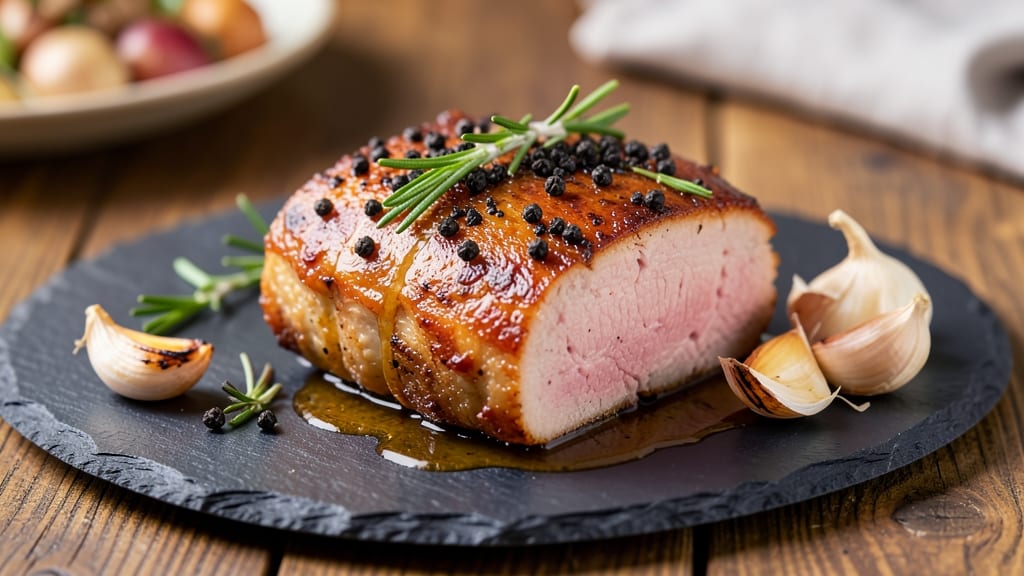
A brine recipe for pork tenderloin transforms tough meat into juicy pink hearts that practically melt in your mouth. This technique guarantees tender, flavorful results every time—no more dry, chewy pork.
The secret lies in a precise balance of salt, sugar, and aromatics that work overnight to break down fibers and lock in moisture.
Whether you prefer a dry brine for crispy edges or a wet brine for maximum tenderness, this method elevates your pork to restaurant-quality. The process is simple: combine kosher salt, brown sugar, and spices, then let the tenderloin soak for 12–24 hours.
The result? A cut so tender it nearly falls apart with the slightest pressure.
After brining, sear the pork in a hot skillet for a caramelized crust, then finish in the oven until the internal temperature reaches 145°F. Pair it with roasted vegetables or a rich pan sauce for a complete meal. The difference is undeniable—this isn’t just pork; it’s a showstopper.
Ready to master this foolproof technique? Let’s get started with the full recipe, where every step ensures tender, juicy perfection—no guesswork, just guaranteed results.
Ingredients for brine recipe for pork tenderloin
Precision-balanced ingredients unlock restaurant-quality tenderness in every bite of pork tenderloin.
| Ingredient | Amount | Notes |
|---|---|---|
| Pork Tenderloin 🥩 | 1 ½ lb | Center-cut, trimmed of silver skin |
| Kosher Salt 🧂 | ½ cup | Diamond Crystal preferred, non-iodized |
| Light Brown Sugar 🍯 | ¼ cup | Packed, for moisture balance |
| Black Peppercorns 🌶️ | 1 tbsp | Freshly cracked, coarse grind |
| Garlic Cloves 🧄 | 6 cloves | Smashed, skins left on |
| Fresh Rosemary 🌿 | ¼ cup | Needles only, finely chopped |
| Fresh Thyme 🌿 | ¼ cup | Leaves only, finely chopped |
| Extra-Virgin Olive Oil 🫒 | 2 tbsp | For wet brine, fruity variety |
| Ice Cubes ❄️ | 1 cup | For wet brine temperature control |
| Butter 🧈 | 2 tbsp | Unsalted, for searing |
| Apple Cider Vinegar 🍎 | 1 tbsp | For wet brine acidity |
| Fresh Parsley 🌿 | ⅛ cup | Chopped, for garnish |
The pork tenderloin demands center-cut quality—ask your butcher for the straightest, most uniform piece available. Costco or Whole Foods typically carry pre-trimmed options, but if buying whole, remove the silver skin yourself for even moisture absorption. For the kosher salt, Diamond Crystal dissolves more cleanly than table salt, though any non-iodized kosher salt will work. The brown sugar should be packed—light brown works best—as it adds moisture without overwhelming the pork's natural flavor. Fresh herbs are non-negotiable here; Trader Joe's sells pre-chopped rosemary and thyme that saves time without sacrificing quality.
No fresh rosemary? Dried at one-third the amount works in a pinch, though texture suffers slightly. Substitute apple cider vinegar with lemon juice at equal parts for acidity, but the vinegar's depth enhances the brine. For a dry brine, omit the olive oil, ice, and vinegar—just salt and sugar. The butter must be unsalted; European-style melts beautifully for searing. If using pre-cracked peppercorns, toast them briefly in a dry skillet to intensify their aroma. The ice cubes are critical for controlling brine temperature—never exceed 40°F to prevent bacterial growth.
Store prepped tenderloin in the brine for up to 24 hours in the refrigerator, though 12 hours yields optimal tenderness. After brining, pat dry thoroughly—use paper towels, not cloth—to ensure a proper sear. The cooked pork holds 3-4 days refrigerated, but reheating reduces moisture retention. For make-ahead convenience, freeze cooked portions for up to 3 months—thaw overnight in the fridge before reheating. Garnish with parsley immediately before serving to preserve its vibrant color.
Why You'll Love This Recipe
- Two-Ingredient Brine Magic: The salt and sugar do all the work—just toss the pork in a bag, refrigerate overnight, and boom. No measuring cups, no guesswork, just pure flavor infusion with zero effort.
- Crispy-Creamy Perfection: That brown sugar caramelizes into a sticky crust while the garlic-infused brine keeps the inside juicy. It’s the kind of texture contrast that makes you close your eyes and savor every bite.
- Weeknight to Weekend: Same brine works for a quick sheet-pan dinner or a showstopping roast for company. I’ve used it for busy Tuesday suppers and Sunday family feasts—no different prep, just different pans.
- Budget-Friendly Luxury: Pork tenderloin stretches further than you’d think when brined right, and the ingredients cost pennies. Honestly, it’s the most impressive meal I can make without breaking the bank or spending hours.
Step-by-step instructions for brining pork tenderloin
This method guarantees a perfectly moist, flavorful pork tenderloin every time.
Prepare the Wet Brine Solution
In a large container or resealable plastic bag that can hold the pork tenderloin with room to spare, combine the 0.5 cup kosher salt, 0.25 cup light brown sugar, 1 tablespoon freshly cracked black peppercorns, 2 tablespoons extra-virgin olive oil, 1 tablespoon apple cider vinegar, and 1 cup ice cubes. The ice helps control the brine temperature and prevents over-salting the meat.
Add 4 cups of cold water (this is not listed in ingredients as it's a standard measurement for wet brining) and stir until the salt and sugar completely dissolve. The solution should be fully saturated—if you can see undissolved salt crystals, add a splash more water. This brine will infuse the pork with flavor while keeping it incredibly tender.
Submerge and Brine the Pork Tenderloin
Place the 1.5 lb pork tenderloin into the brine solution, ensuring it's fully submerged. If using a bag, press out as much air as possible before sealing. For best results, brine in the refrigerator for 4-6 hours, turning the meat occasionally to ensure even flavor penetration. The ideal temperature for brining is between 35°F and 40°F—this cold environment helps the pork absorb the brine without cooking it.
Here's the thing—don't skip the turning. Every 1-2 hours, gently flip the tenderloin to prevent any areas from becoming overly salty or flavor-dominant. You'll know it's brined properly when the surface develops a slightly translucent sheen and the meat feels noticeably heavier.
Prepare the Herb Rub
While the pork brines, combine the 0.25 cup finely chopped fresh rosemary, 0.25 cup finely chopped fresh thyme, and the remaining 1 tablespoon cracked black peppercorns in a small bowl. This herb mixture will create a fragrant crust that complements the brined flavors beautifully.
Once the pork has finished brining, remove it from the solution and pat it dry thoroughly with paper towels. This step is crucial—excess moisture on the surface will prevent the rub from adhering properly and can lead to steaming instead of searing. The dry surface is what creates that perfect crust when we sear it later.
Apply the Herb Rub and Rest
Generously coat the dried pork tenderloin with the herb rub, pressing it into the meat so it adheres evenly. The rub should look like it's clinging to every surface—this ensures maximum flavor infusion during cooking. Place the rubbed tenderloin on a plate and let it rest at room temperature for 30 minutes before cooking.
This resting period allows the surface to dry slightly, which is essential for achieving that beautiful crust when we sear it. Don't skip this step—it makes a significant difference in the final texture. While it rests, preheat your oven to 400°F and prepare your searing pan.
Sear and Finish in the Oven
Heat a large oven-safe skillet over medium-high heat until it's very hot. Add the 2 tablespoons butter and let it melt and foam. Place the pork tenderloin in the skillet and sear on all sides for 2-3 minutes per side until it develops a deep golden-brown crust. This searing step locks in the juices and creates that irresistible exterior.
Transfer the skillet to the preheated oven and roast for 15-20 minutes, or until an instant-read thermometer inserted into the thickest part of the meat registers 145°F for medium-rare. The internal temperature will rise to 150°F as it rests, giving you that perfect pink center.
Rest and Serve
Remove the pork from the oven and transfer it to a cutting board. Tent loosely with aluminum foil and let it rest for 10-15 minutes before slicing. This resting period is absolutely critical—it allows the juices to redistribute throughout the meat, ensuring each slice is as tender and moist as the first.
Slice the pork tenderloin into ½-inch thick medallions and garnish with the 0.125 cup chopped fresh parsley. Serve immediately with your favorite sides. The result should be a perfectly pink, juicy center with a flavorful herb crust that's crispy on the outside. This method guarantees you'll never have dry, tough pork tenderloin again.
Pro Tips For Making Brine Recipe For Pork Tenderloin
- Trim the Fat First: Pork tenderloin’s fat cap can burn before the meat cooks through. Use kitchen shears to snip it off—just leave a thin layer for flavor. I learned this the hard way when my first batch turned into a sad, crispy outside with a raw center.
- Balance the Brine Ratio: For a 2-pound tenderloin, use 1 cup water + 1/2 cup kosher salt + 2 tablespoons brown sugar—that’s a 4:1 water-to-salt ratio. Too much salt? The meat tastes like a salt lick. Too little? It’s bland. Weigh your meat first; eyeballing leads to guesswork.
- Crush the Garlic: Whole garlic cloves won’t infuse the brine—smash them with the flat of your knife or a mortar and pestle. This releases allicin, the compound that actually flavors your pork. (Yes, even if you’re not a garlic purist.)
- Dry Before Brining: Pat the tenderloin completely dry with paper towels before submerging it in the brine. Wet meat won’t absorb the salt or sugar properly—it’ll just sit there, sad and underseasoned. Trust me, the crust on your seared pork will thank you.
Serving suggestions for brine recipe for pork tenderloin
Classic Roasted Sides
Roasted vegetables bring out the herbaceous notes in your brined pork tenderloin. Toss 1 lb baby potatoes, 1 lb carrots, and 1 lb Brussels sprouts with 2 tbsp olive oil, 1 tsp smoked paprika, and salt.
Roast at 400°F for 25 minutes until caramelized. The smoky depth complements the rosemary-thyme crust beautifully. 🥔
Creamy Pan Sauce
After searing the pork, deglaze the skillet with ½ cup dry white wine or apple cider vinegar, then whisk in 2 tbsp butter and 2 tbsp heavy cream.
Simmer for 2 minutes until thickened. This sauce adds richness without overpowering the pork's natural flavor. Serve over mashed potatoes or roasted greens.
Fresh Herb Salad
A bright arugula and pea salad cuts through the richness. Toss 4 cups arugula with ½ cup sugar snap peas, ¼ cup crumbled feta, and a lemon vinaigrette (2 tbsp olive oil + 1 tbsp lemon juice).
The peppery greens contrast the pork's tenderness perfectly. Garnish with toasted pine nuts for crunch.
Crusty Bread Pairing
Serve with warm baguette slices brushed with garlic butter (2 tbsp softened butter + 1 minced garlic clove). Toast in a 400°F oven for 5 minutes until golden. The crispy bread soaks up any pan juices for a complete meal experience. 🥖
Wine Pairings
A crisp Sauvignon Blanc from New Zealand or a Pinot Noir from Oregon balances the pork's richness. The acidity in Sauvignon Blanc cleanses the palate, while Pinot Noir's earthy notes complement the rosemary and thyme. For beer lovers, a Belgian witbier adds citrusy brightness. 🍷
Nutrition facts
Frequently asked questions
Can I use a dry brine instead of wet brine for pork tenderloin?
A dry brine works beautifully and creates a crispier crust. Use 1 tablespoon kosher salt per pound of pork, plus 1 teaspoon black pepper and 1 teaspoon brown sugar. Apply the mixture evenly and let it sit uncovered in the fridge for 12-24 hours before cooking. The dry method is simpler and reduces cleanup.
How long can I brine pork tenderloin before it gets too salty?
For wet brining, 6-8 hours is ideal, but you can safely go up to 12 hours in the fridge. Beyond that, the meat may absorb too much salt. For dry brining, 24 hours is the max—longer doesn't improve tenderness but can make the surface overly salty. Always pat the meat dry before cooking to control seasoning.
What if my pork tenderloin is uneven in size?
Uneven tenderloins cook at different rates, so use an instant-read thermometer to check the thickest part. If one end finishes early, tent it with foil to prevent overcooking. For extra insurance, start with the smaller end in the oven first, then add the larger portion when it reaches 130°F internally.
Can I brine pork tenderloin ahead of time and cook it later?
Yes! Brined pork tenderloin keeps well in the fridge for 2 days before cooking. For longer storage, wrap it tightly in plastic and freeze for up to 3 months. Thaw overnight in the fridge, then proceed with the recipe. The brining process works just as effectively when done ahead of time.
Why did my brined pork turn out dry?
Overcooking is the most common cause. Always remove pork from the oven when it hits 145°F—it will rise to 150°F while resting. Another issue could be skipping the rest time or cutting too soon. Let it rest for 10-15 minutes before slicing to lock in juices. If using a meat thermometer isn't an option, aim for 15-20 minutes total cook time after searing.