
Main Courses
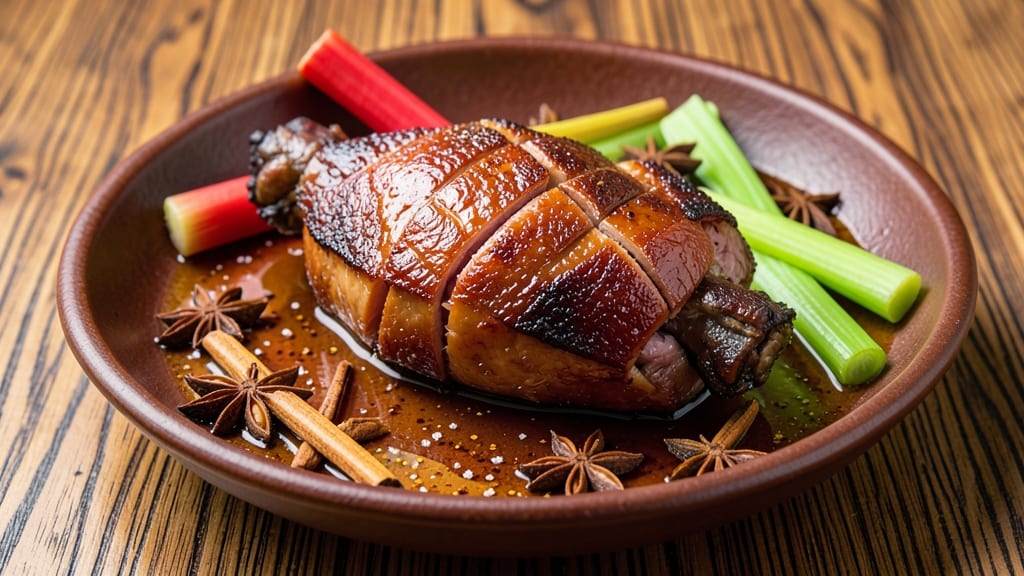
This Chinese braised pork leg delivers melt-in-your-mouth five-spice infused shreds with a signature celery crown crunch that transforms an ordinary weeknight into a restaurant-quality feast.
The secret lies in the slow braising process, where tender pork absorbs aromatic spices and develops a rich, caramelized glaze that balances sweet and savory notes perfectly. What starts as a simple leg of pork becomes a showstopper dish that pairs beautifully with steamed jasmine rice or stir-fried greens.
The technique begins with a proper sear to lock in flavors, followed by hours of gentle simmering in a fragrant broth of soy sauce, star anise, and cinnamon. This method ensures the pork remains juicy while developing that signature tender texture that falls apart with just a fork.
The celery crown adds a delightful textural contrast—crispy on the outside, tender within—elevating each bite to new heights.
By the time you serve this dish, your kitchen will be filled with an intoxicating aroma of warm spices and caramelized pork that instantly transports you to a bustling Chinese eatery.
The five-spice blend creates layers of complexity—sweet, earthy, and slightly peppery—while the celery crown adds a refreshing crunch that cuts through the richness. This is comfort food at its finest, perfect for family gatherings or special occasions.
With just a few simple ingredients and patience, you'll master a technique that delivers restaurant-quality results at home. The slow-cooked pork shreds beautifully, creating a dish that's both impressive and deeply satisfying.
Serve with steamed rice and a side of quick-pickled vegetables for a complete meal that feels like a celebration every time.
Ingredients for braised pork leg recipe chinese
Pork leg, aromatic spices, and a crispy celery crown—this Chinese braise delivers restaurant-quality results with just 15 ingredients.
| Ingredient | Amount | Notes |
|---|---|---|
| Pork Leg 🐷 | 3 lb | Bone-in, skin-on preferred |
| Celery Stalk 🧅 | 4 whole | Cut into 3-inch pieces for crown |
| Five-Spice Powder 🌶️ | 2 tsp | Authentic Chinese blend preferred |
| Soy Sauce 🍶 | ½ cup | Dark soy for color and depth |
| Star Anise 🌟 | 2 whole | Whole pods for infusion |
| Cinnamon Sticks 🌿 | 2 whole | 1-inch pieces for aroma |
| Ginger Root 🧄 | 2 tbsp | Freshly grated, aromatic |
| Garlic Cloves 🧄 | 6 cloves | Peeled, lightly crushed |
| Brown Sugar 🍚 | ¼ cup | Lightly packed for caramelization |
| Red Wine 🍷 | ½ cup | Dry, bold variety like Cabernet |
| Water 💧 | 1 ½ cups | Room temperature preferred |
| Vegetable Oil 🫒 | 2 tbsp | High smoke point for searing |
| Salt 🧂 | 1 ½ tsp | Kosher or sea salt |
| Black Peppercorns 🌶️ | 10 whole | Lightly crushed for texture |
| Jasmine Rice 🍚 | 2 cups | Uncooked, for serving |
The pork leg is non-negotiable here. Bone-in, skin-on cuts from Whole Foods or a trusted Asian market deliver the best texture and flavor. Look for legs with good marbling—they'll stay juicier during the long braise. If you can't find a whole leg, two 1.5 lb pork shoulder halves work too, but trim excess fat. The celery crown needs thick stalks—organic celery from Trader Joe's has the best structure. Five-spice powder is essential; Penzeys or local Asian markets carry authentic blends with the right balance of cinnamon, star anise, clove, fennel, and pepper.
No five-spice powder? Mix 1 tsp each of ground cinnamon, star anise, clove, and fennel seeds—it's not identical, but gets you close. Running short on red wine? Substitute with extra soy sauce and a splash of balsamic vinegar. The ginger and garlic can be swapped for 2 tbsp each of paste if fresh isn't available. For the celery crown, substitute with thick carrot sticks if needed, but celery's natural crunch is what makes this dish special. The brown sugar can be omitted if you prefer less sweetness—just add a pinch more soy sauce for depth.
This dish tastes even better the next day, so make it ahead if possible. Store the braised pork and celery crown separately in airtight containers in the fridge for up to 5 days. The celery crown stays crispy for 3 days if wrapped in paper towels. For longer storage, freeze the pork portion for 3 months—just thaw overnight in the fridge before reheating. The jasmine rice can be prepped ahead and kept warm in a rice cooker or covered pot. Reheat pork gently with a splash of water to prevent drying.
Why You'll Love This Recipe
- One-Pot Magic: I swear by this recipe—just toss the pork leg, celery, and spices into one pot, then walk away. No chopping, no fuss, and that five-spice powder does all the work while you’re busy with life.
- Deep, Warm Spice Bomb: The star anise and five-spice powder infuse the pork until it’s fall-apart tender, with a slow-simmered richness that hits like a cozy hug. Celery adds a subtle crunch, and the soy sauce ties it all together—savory, sweet, and impossible to resist.
- Leftovers That Beg for More: This dish tastes even better the next day, which is perfect because it’s cheap enough to make twice. I freeze portions for lazy nights, and my family fights over the last slice—no complaints, just empty plates.
- Budget Feast for Crowds: A single pork leg feeds six, and the ingredients cost less than takeout. Honestly, it’s my go-to for gatherings because everyone leaves happy, and I leave with leftovers I actually want to eat.
Step-by-step instructions for five-spice braised pork leg
Here's how to transform a simple pork leg into melt-in-your-mouth shreds with aromatic depth.
Prepare the Pork Leg for Maximum Flavor
Pat the 3 lb pork leg dry with paper towels—this is crucial for achieving that signature crispy exterior. I like to score the skin in a crosshatch pattern with a sharp knife, being careful not to cut into the meat. This creates more surface area for browning and allows the braising liquid to penetrate better.
In a small bowl, combine the 2 tsp five-spice powder, 1.5 tsp salt, and 10 whole black peppercorns. Rub this mixture all over the pork leg, pressing it into the skin and scoring. Let it sit at room temperature for 30 minutes while you prepare the rest of your components. This resting time allows the spices to adhere properly and the meat to come to room temperature for even cooking.
Sear the Pork for Deep Flavor Foundation
Heat the 2 tbsp vegetable oil in a large Dutch oven over medium-high heat until shimmering. Place the pork leg skin-side down and sear undisturbed for 8-10 minutes until the skin develops a deep golden-brown crust. You'll know it's ready when it releases easily from the pan—this is your signal to flip and sear the other side for another 5-6 minutes.
Remove the pork leg and set it aside on a plate. The goal here is to develop maximum flavor through the Maillard reaction, so don't rush this step. The browned bits in the pan (fond) will become the base of your braising liquid, so we'll scrape them up later.
Build the Aromatic Braising Liquid
In the same Dutch oven, add the 2 tbsp freshly grated ginger root and 6 lightly crushed garlic cloves. Cook for 1 minute until fragrant—this releases their essential oils and forms the flavor foundation. Add the 2 whole star anise and 2 whole cinnamon sticks, stirring for 30 seconds to toast them lightly.
Pour in the 0.5 cup red wine and scrape up all the browned bits from the bottom of the pan. This deglazing step captures all that concentrated flavor. Let it simmer for 2-3 minutes until reduced by half. Then add the 0.5 cup soy sauce, 0.25 cup brown sugar, 1.5 cups water, and the 4 whole celery stalks cut into 3-inch pieces. Bring to a gentle simmer.
Braise Until Fork-Tender
Return the pork leg to the Dutch oven, skin-side up. Cover and transfer to a preheated 325°F oven. Braise for 2.5 to 3 hours, depending on your oven, until the pork is fork-tender and the meat pulls away from the bone easily. I check at the 2-hour mark—if it's not quite there, add another 30 minutes.
Here's the thing—don't skip the oven step. The gentle, dry heat helps render the fat and develop that beautiful caramelized crust on the skin. The celery crowns should be tender but still hold their shape, adding a pleasant crunch to each bite. The liquid should reduce to about 1 cup, creating a rich, glossy sauce.
Finish and Serve with Jasmine Rice
Remove the pork leg from the oven and let it rest for 15 minutes before shredding. This resting period is crucial—it allows the juices to redistribute throughout the meat, preventing them from running out when you cut into it. While it rests, remove the celery crowns and set them aside.
Using two forks, shred the pork leg against the grain into bite-sized pieces. Skim any excess fat from the braising liquid if desired, then return the pork and celery crowns to the Dutch oven. Stir gently to combine, then serve immediately over the 2 cups cooked jasmine rice. The contrast of tender pork with the crisp-tender celery crowns creates a perfect balance of textures in every bite.
Pro Tips For Making Braised Pork Leg Recipe Chinese
- SEAR THE PORK FIRST: Don’t skip the brown—get that pork leg screaming hot in a dry pan for 5-7 minutes per side before adding liquid. I learned this the hard way: skipping the sear means flavorless broth and dry meat. A dark crust locks in juices and builds depth.
- SALT THE CELERY: Toss chopped celery with a pinch of salt before adding it to the braise. It softens faster and releases more flavor into the sauce—no more chewing on tough, undercooked stalks. (Yes, even if you’re impatient like me.)
- LOW AND SLOW IS NON-NEGOTIABLE: Cover the pot and simmer at a gentle bubble—if it’s roaring, you’re ruining the meat. I used to rush it, and the pork turned out stringy. Aim for 2-2.5 hours, checking occasionally to keep liquid just simmering, not boiling.
- STAR ANISE TIMES OUT: Remove the star anise after 45 minutes—any longer and it gets bitter. I was skeptical until I tried it: the aroma infuses perfectly without overpowering. Save the pod for next time; it’s worth the effort.
Pro cooking tips for this recipe
Sear Like a Pro
The key to maximum flavor starts with a proper sear—don't rush this step! Heat your Dutch oven over medium-high heat until the oil shimmers, then sear the pork leg skin-side down for 8-10 minutes until deep golden brown.
I use a meat thermometer to check doneness—160°F internal temp signals it's ready to flip. The skin should release easily from the pan when ready, creating that all-important Maillard reaction that builds deep flavor. 🔥
Spice Blend Secrets
For authentic five-spice flavor, I recommend Penzeys brand—it has the perfect balance of cinnamon, star anise, clove, fennel, and pepper. If you can't find it, mix 1 tsp each of ground cinnamon, star anise, clove, and fennel seeds (lightly toasted) with ½ tsp black pepper.
The trick is rubbing the spices directly onto the pork skin in a crosshatch pattern before searing—this ensures they crisp up beautifully during the braise. Let the spiced pork rest at room temperature for 30 minutes before cooking for even heat penetration.
Celery Crown Crunch
Cut your celery stalks into 3-inch pieces—this length ensures they develop a satisfying crunch while still becoming tender enough to eat. For extra crispiness, I like to blanch them for 2 minutes in boiling water before adding to the braising liquid.
This partial cooking preserves their structure while infusing them with the pork's rich flavors. The celery crowns should be crisp-tender when done—think of them as edible garnishes that add texture contrast to every bite.
Oven vs. Stovetop Braising
While stovetop braising works, I prefer the oven method for more consistent results. Set your oven to 325°F—this gentle, dry heat helps render fat and develop a caramelized crust on the pork skin. The Dutch oven's heavy construction maintains even heat distribution.
For best results, cover the pot tightly with a lid or foil to trap steam and create a moist environment. Check the pork at the 2-hour mark—it should be fork-tender with 165°F internal temp when done.
Liquid Reduction Tricks
To achieve that perfect glossy, reduced sauce, I recommend skimming excess fat every 30 minutes during braising. The liquid should reduce to about 1 cup by the end—this concentrated flavor is what makes the dish sing. If it reduces too quickly, add ¼ cup water to maintain moisture.
For extra depth, I like to add 1 tbsp of the pork's rendered fat back into the sauce at the end—this adds richness and helps emulsify the sauce for a silky texture.
Resting for Juiciness
This is the most overlooked step that makes all the difference! After braising, rest the pork for 15 minutes before shredding. This allows the juices to redistribute throughout the meat, preventing them from running out when you cut into it.
I like to tent the pork loosely with foil during resting to keep it warm. The celery crowns can be removed earlier and kept warm separately.
Pro tip: Use this resting time to skim any remaining fat from the braising liquid and adjust seasoning with a pinch of salt or extra soy sauce if needed. ✨
Nutrition facts
Frequently asked questions
Can I substitute pork shoulder for pork leg?
Yes, but you'll need to adjust the cooking time. Use two 1.5 lb pork shoulder halves instead, and braise for 2.5 hours instead of 3. The bone-in leg stays juicier longer due to its natural moisture, while shoulder may dry out faster. For best results, trim excess fat and score the meat to help it tenderize more evenly.
How do I know when the pork is fully tender?
Use the fork test—gently insert a fork into the thickest part of the meat. If it slides in with minimal resistance and the meat falls apart easily, it's ready. The internal temperature should reach 165°F. For extra assurance, check at the 2-hour mark—if it's not quite there, add 30 more minutes.
Can I make this dish in a slow cooker?
Brown the pork first in a skillet, then transfer it to your slow cooker with all the braising ingredients. Cook on low for 8 hours or high for 5-6 hours. The slow cooker's gentle heat works perfectly for tenderizing the pork. Just add ½ cup water if the liquid reduces too much during cooking.
What's the best way to reheat leftovers?
Reheat gently to preserve moisture. Place the pork and sauce in a skillet over low heat with 2 tbsp water, covering for 5-7 minutes until warmed through. Avoid microwaving—it can make the pork dry. The celery crowns can be reheated separately in the microwave for 30 seconds to maintain their crunch.
Why does my celery crown turn mushy?
This usually happens from overcooking. Celery crowns should be crisp-tender—cut them into 3-inch pieces and add them to the braising liquid only 30 minutes before the pork is done. For extra crispness, blanch them for 2 minutes in boiling water before adding to the pot. Avoid covering them completely with liquid.