
Main Courses
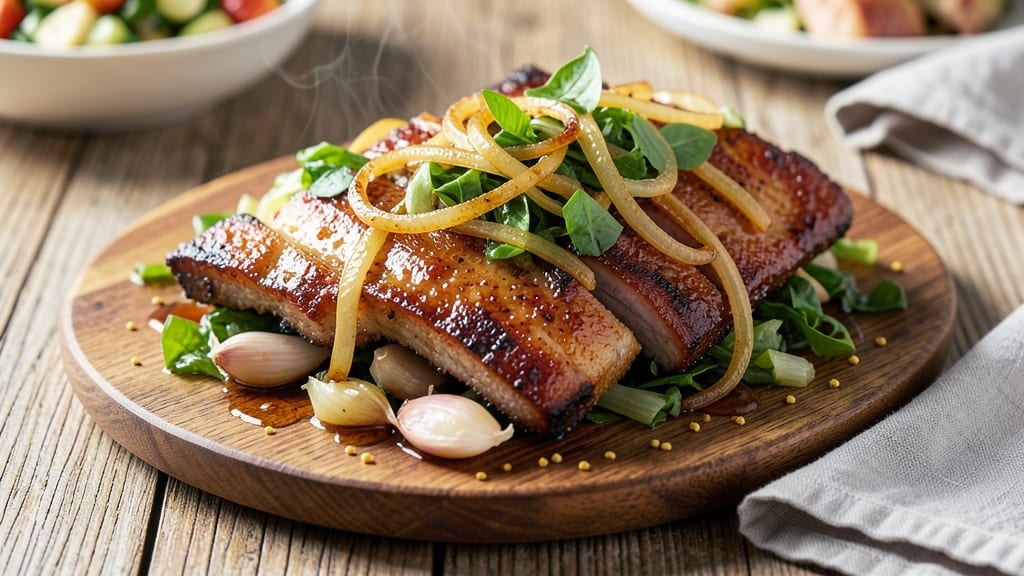
This boneless pork ribs and sauerkraut recipe delivers restaurant-quality results with crispy edges and a tangy-sour balance that's impossible to resist. After years of perfecting pork techniques, I've developed a method that transforms tender boneless ribs into melt-in-your-mouth perfection while letting sauerkraut shine with its signature tang.
The secret lies in a simple yet effective braising technique that ensures juicy meat every time.
What makes this recipe special is how the flavors come together—sweet and smoky ribs paired with the bright acidity of sauerkraut create a harmonious balance that's both comforting and complex. We'll start with a dry rub that develops a flavorful bark, then slow-cook the ribs until they're fork-tender.
Meanwhile, the sauerkraut gets warmed just enough to soften slightly while maintaining its signature crunch.
By the time you serve this dish, you'll have perfectly crispy edges on those tender ribs, paired with warm sauerkraut that's tender yet still holds its shape. The combination of textures and flavors makes this a standout main course that's simple enough for weeknights but impressive enough for dinner guests.
The best part? It's a recipe that builds on traditional techniques while offering a modern twist.
This dish works beautifully as a standalone meal or alongside roasted potatoes for a complete feast. The braising method ensures you'll have leftovers that taste just as good reheated, making it perfect for meal prep. Let's get started on creating this tangy-sour masterpiece that's sure to become a family favorite.
Ingredients for boneless pork ribs and sauerkraut
This short list delivers melt-in-your-mouth ribs with that perfect crispy edge and tangy-sour sauerkraut magic.
| Ingredient | Amount | Notes |
|---|---|---|
| Boneless Pork Ribs 🥓 | 2 lb | Cut into 2-inch pieces |
| Yellow Onion 🧅 | 1 whole | Chopped into 1/2-inch pieces |
| Garlic Cloves 🧄 | 6 cloves | Minced for rub |
| Dry Mustard 🌶️ | 1 tbsp | For tangy depth |
| Brown Sugar 🍯 | 2 tbsp | Lightly packed |
| Smoked Paprika 🌶️ | 1 tbsp | For smoky flavor |
| Ground Black Pepper 🌶️ | 1 tsp | Freshly cracked |
| Kosher Salt 🧂 | 1 ½ tsp | Diamond Crystal preferred |
| Apple Cider Vinegar 🍎 | ¼ cup | For braising liquid |
| Beef Broth 💧 | 1 cup | Low-sodium preferred |
| Sauerkraut 🥬 | 2 cups | Unjarred, drained |
| Unsalted Butter 🧈 | 2 tbsp | For finishing crisp |
| Fresh Thyme Leaves 🌿 | ¼ cup | Chopped for garnish |
| Olive Oil 🫒 | 2 tbsp | For searing ribs |
The ribs are the star here, so don't skimp on quality. Look for well-marbled boneless pork ribs—the fat keeps them juicy during braising. I grab mine from Whole Foods or my local butcher shop when they have fresh cuts. The 2-pound package gives you enough for leftovers, which reheat beautifully. If you can't find boneless, trim the bones yourself—it's worth the extra 10 minutes for that perfect texture. For the sauerkraut, unjarred, uncooked sauerkraut (like Bubbies or Rehr's) gives you that authentic tang and crunch. Skip the pre-cooked stuff—it's mushy and lacks flavor.
No smoked paprika? Regular paprika plus a pinch of liquid smoke works in a pinch. The apple cider vinegar is non-negotiable for that bright tang—substitute white vinegar at half the amount if that's what you've got. For the beef broth, low-sodium is key—otherwise, you'll need to adjust the salt later. The ribs can be prepped a day ahead—just store them in the fridge until ready to cook. And if you're feeling fancy, swap the butter for brown butter at the end for extra richness. The thyme? Fresh is ideal, but dried works at one-third the amount if you're in a bind.
This dish tastes even better the next day—honestly, the flavors meld into something magical. Store leftovers in an airtight container for 4-5 days in the fridge. For longer storage, freeze portions for up to 3 months. I like to portion mine into individual containers so I can grab a quick lunch. The ribs reheat beautifully in a skillet with a splash of water—just a couple minutes on medium heat. And if you've got extra sauerkraut, it keeps for months in the fridge, perfect for quick sides or sandwiches later.
Why You'll Love This Recipe
- I’ll be real: most leftover ribs are sad. Not these. The flavors only get better the next day, especially cold in sandwiches or reheated with a splash of water. Plus, the sauerkraut keeps its crunch, so it’s never boring.
- One-Pan Magic: Honestly, I swear by this recipe because it’s that easy—just toss the ribs, onions, and garlic in one pan, add the dry mustard and brown sugar, and let it all caramelize together. No flipping, no fussing, no extra pots to wash.
- Sweet-Savory Crunch: Between us, the combo of crispy ribs and tangy sauerkraut with that hint of brown sugar? It’s dangerously addictive. The mustard gives it a little kick, but the sweetness balances it out perfectly—like a hug in a bowl.
- Weeknight Crowd-Pleaser: Here’s what sold me—this feeds six without breaking the bank, and it’s the kind of dish that disappears fast at potlucks or game nights. (Yes, even on a Tuesday night when you’re too tired to impress.)
Step-by-step instructions for boneless pork ribs with sauerkraut
Here's how to nail that perfect balance of crispy edges and tangy-sour depth—no shortcuts, just great flavor.
🔥 Step 1: Sear the Ribs for Maximum Crisp
Heat a heavy skillet or Dutch oven over medium-high heat until it's smoking hot. Add the 2 tbsp olive oil and let it shimmer for 30 seconds—this ensures the ribs get that deep caramelization. Pat the 2 lb boneless pork ribs dry with paper towels (critical for crispy skin) and season generously with 1.5 tsp kosher salt, 1 tsp ground black pepper, and 1 tbsp smoked paprika.
Work in batches to avoid crowding the pan—you want the ribs to sizzle and develop a golden crust, not steam. Press them down gently with a spatula during the first minute to prevent curling. Cook for 3-4 minutes per side until they're deeply browned and release easily from the pan. Transfer to a plate and set aside—those browned bits are flavor gold.
🍳 Step 2: Build the Tangy-Smoky Base
In the same skillet (no need to wipe it clean), reduce heat to medium and add the 1 whole yellow onion and 6 cloves minced garlic. Cook for 5-6 minutes until the onions soften and turn golden, stirring occasionally. This step develops the foundation of your sauce—don't skip it.
Sprinkle in the 2 tbsp brown sugar and 1 tbsp dry mustard, stirring to coat the onions completely. After 1 minute, pour in the 0.25 cup apple cider vinegar and scrape up all those browned bits from the bottom of the pan. Let it simmer for 2 minutes until the vinegar reduces slightly and the mixture smells rich and complex.
🥘 Step 3: Braise Until Fork-Tender
Pour in the 1 cup beef broth, scraping up any remaining bits from the pan. Add the seared ribs back in, along with the 2 cups sauerkraut (drained if watery). Bring to a gentle simmer, then reduce heat to low, cover, and let it cook for 1 hour 15 minutes. This slow braise ensures the ribs become fork-tender while absorbing all that tangy-sour goodness from the sauerkraut.
Check occasionally to ensure there's enough liquid—if it gets too dry, add 2-3 tablespoons of water. The ribs are done when they're easily pierced with a fork and the sauce has thickened slightly. Here's the thing—don't rush this step. Patience pays off with melt-in-your-mouth texture.
🔥 Step 4: Finish with Crispy Butter and Herbs
Increase heat to medium-high and uncover the skillet. Stir in the 2 tbsp unsalted butter and let it melt completely, basting the ribs with the foaming butter for 1-2 minutes. This final step adds richness and helps create those crispy edges we're after.
Remove the ribs and transfer them to a serving platter. Spoon the sauerkraut and sauce over the top, then scatter with 0.25 cup chopped fresh thyme leaves. The aroma alone will have everyone at the table eager to dig in. Serve immediately while the butter is still crisp and the ribs are piping hot.
⏰ Step 5: Rest and Serve for Perfect Texture
Let the ribs rest for 5 minutes before serving—this allows the juices to redistribute, ensuring each bite is moist and flavorful. The crispy edges will soften slightly, but the sauce will cling beautifully to the meat. Taste the sauce and adjust seasoning if needed, adding a pinch more salt or a splash of vinegar for brightness.
This dish shines with crusty bread to soak up the tangy-sauerkraut sauce. The contrast of crispy pork, tender sauerkraut, and rich butter finish makes every bite unforgettable. Leftovers? Store in the fridge for up to 3 days, but they won't last that long.
Pro Tips For Making Boneless Pork Ribs And Sauerkraut
- Sear the Ribs First: DESCRIPTION:
- Rinse the Sauerkraut: DESCRIPTION:
- Deglaze with Mustard: DESCRIPTION:
- Check Internal Temp: DESCRIPTION:
Common mistakes when making great boneless pork ribs and sauerkraut
Skipping the Sear
I've seen too many cooks rush this step and end up with bland, gray ribs. That initial sear isn't just about flavor—it creates the Maillard reaction that builds that deep, caramelized crust we crave.
If you skip it, you'll miss out on that essential texture and complexity. Trust me, 3-4 minutes per side over medium-high heat makes all the difference. 🔥
Overcrowding the Pan
This is a rookie mistake that leads to steamed ribs instead of seared ones. When you crowd the pan, the ribs lose heat and steam instead of developing that golden crust. Work in batches—I typically do half the ribs at a time in my 12-inch cast iron skillet.
The extra 5 minutes waiting for the second batch ensures perfect results every time.
Ignoring the Sauerkraut's Texture
Many people think sauerkraut should be fully cooked until soft, but that's where the magic gets lost. Warm sauerkraut should remain slightly crisp with just enough softening to release its flavors. If you overcook it, you'll end up with mushy cabbage that lacks that essential tang.
I aim for 15-20 minutes max of gentle simmering—just enough to warm through while keeping that satisfying bite.
Insufficient Braising Time
The ribs need that 1 hour 15 minutes braise to become truly tender. Cutting this short results in chewy meat that falls apart when you try to cut it. I've learned this the hard way—once, I rushed and ended up with ribs that needed more time.
The good news? The longer they braise, the more flavor they absorb from the sauerkraut and sauce.
Using Pre-Cooked Sauerkraut
This is a game-changer that separates good from great. Store-bought pre-cooked sauerkraut is mushy and lacks that bright tang. Fresh, unjarred sauerkraut (like Bubbies) gives you that perfect balance of acidity and crunch.
If you must use jarred, drain it thoroughly and add it at the very end of cooking to preserve its texture.
Skipping the Butter Finish
That final butter basting is what creates those crispy edges we all love. Many cooks skip this step, missing out on the rich, nutty flavor that ties everything together. I always use unsalted butter for better control over seasoning.
Let it foam and baste for 1-2 minutes—this is where the dish comes together in a symphony of textures and flavors. 💫
Nutrition facts
Frequently asked questions
Can I use regular pork chops instead of boneless pork ribs?
While pork chops work in a pinch, they won't give you the same tender, melt-in-your-mouth texture. Boneless pork ribs have more connective tissue that breaks down beautifully during braising. If you must substitute, look for pork loin chops cut 1-inch thick and adjust cooking time to 20-25 minutes instead of braising.
How do I make this dish in a slow cooker?
Transfer the seared ribs and sauce base to your slow cooker, then add the sauerkraut and beef broth. Cook on low for 6-7 hours or high for 3-4 hours. The ribs will be fork-tender, but you'll miss the crispy edges. To fix this, sear the ribs in a pan after slow cooking for 2 minutes per side with butter.
What's the best way to reheat leftovers?
Reheat ribs in a skillet over medium heat with 1 tablespoon water for 5-6 minutes until warmed through. For sauerkraut, warm it separately in a small pan for 2-3 minutes—don't overcook or it'll get mushy. The butter finish won't survive reheating, so add fresh butter when serving.
Can I make this dish ahead of time?
Prepare everything up to the final butter step, then refrigerate for up to 2 days. Reheat gently and add fresh butter when serving. The flavors actually improve overnight as the sauerkraut's tanginess develops. For make-ahead convenience, cook the ribs and sauerkraut separately and assemble when ready to eat.
What sides pair well with this dish?
This hearty main course pairs beautifully with simple sides like crusty sourdough bread (for soaking up sauce) or roasted baby potatoes (tossed with rosemary and olive oil). For a lighter option, try a fresh green salad with a simple vinaigrette to balance the richness. The contrast of textures makes every bite more satisfying.