
Main Courses
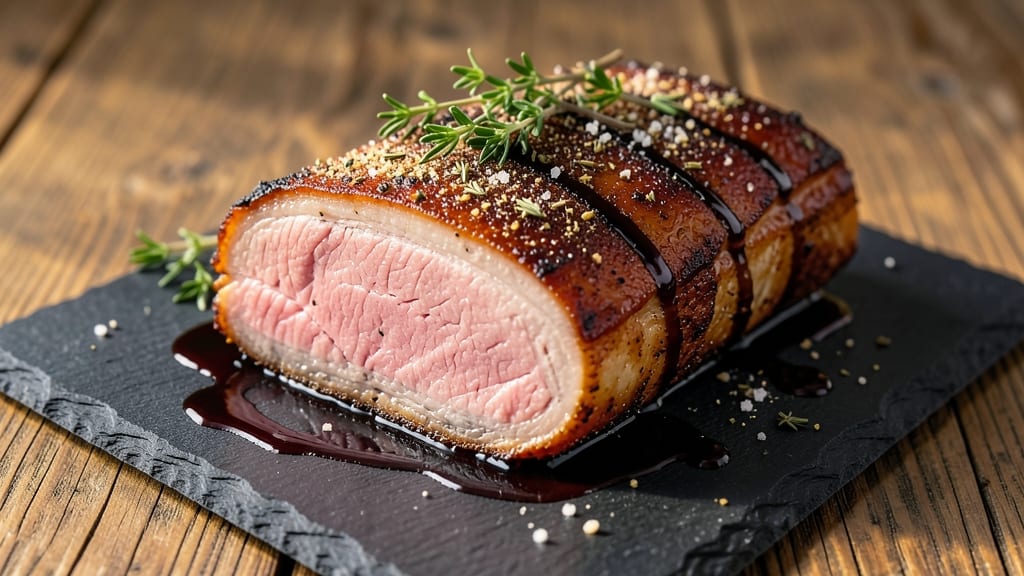
A boneless pork rib roast recipe in the oven transforms weeknight dinners into restaurant-quality meals without the fuss of bones or complicated techniques. This recipe delivers melt-in-your-mouth tenderness and rich, savory flavor using simple seasoning and precise oven timing—no marinade required.
I learned the hard way that low-and-slow roasting is key to juicy results, and this method ensures every slice stays succulent from start to finish.
The secret to restaurant-quality pork at home lies in a few professional techniques: patting the meat dry before seasoning, using a meat thermometer for perfect doneness, and letting it rest before slicing.
With just five basic ingredients and about 2 hours of hands-off cooking time, you'll end up with a roast that's tender enough to cut with a fork. The crust develops a beautiful golden-brown color while the interior stays moist and flavorful.
This method works equally well for family dinners or special occasions, serving 6-8 people with minimal effort. The pork pairs beautifully with roasted root vegetables, garlic mashed potatoes, or a crisp green salad to complete the meal.
The aroma alone will have everyone gathering at the table, and the first bite delivers on that promise of juicy perfection.
Whether you're cooking for a crowd or treating yourself to a luxurious solo meal, this boneless pork rib roast delivers consistent, impressive results every time. The technique is foolproof, and the flavor is undeniably satisfying—proof that you don't need fancy equipment to create a showstopping centerpiece for your table.
Ingredients for boneless pork rib roast recipe oven
Just five core ingredients plus fresh aromatics create restaurant-quality pork roast with minimal effort.
| Ingredient | Amount | Notes |
|---|---|---|
| Boneless Pork Rib Roast 🐖 | 3 lb | Center-cut for tenderness |
| Kosher Salt 🧂 | 1 ½ tbsp | Diamond Crystal preferred |
| Freshly Ground Black Pepper 🌶️ | 1 tbsp | Coarse grind for texture |
| Garlic Powder 🧄 | 1 tbsp | Freshly toasted for depth |
| Dried Thyme 🌿 | 1 tsp | Or 1 tbsp fresh thyme |
| Extra-Virgin Olive Oil 🫒 | 1 tbsp | For crust development |
| Carrots 🥕 | 4 whole | Medium size, peeled |
| Yellow Onion 🧅 | 1 whole | Sliced into wedges |
| Fresh Rosemary 🌿 | 1 sprig | For aroma infusion |
| Meat Thermometer 🌡️ | 1 whole | For precise doneness |
| Balsamic Vinegar 🍷 | 1 tbsp | For finishing drizzle |
| Fresh Parsley 🌿 | ¼ cup | Chopped for garnish |
The pork roast is the star—center-cut boneless pork ribs deliver the most even cooking and tenderness. Look for cuts with good marbling at Whole Foods or your local butcher, as this ensures juiciness. A 3-pound roast serves 6-8 people generously, but adjust if you're feeding more. The kosher salt should be Diamond Crystal if possible—it dissolves more easily than table salt. Freshly ground black pepper adds texture, so don't skip the coarse grind. For the garlic powder, toast it in a dry pan for 30 seconds before using to deepen the flavor.
No fresh thyme? Dried works at one-third the amount, but fresh is ideal. The carrots and onion can be swapped for other root vegetables like potatoes or parsnips if preferred. If you don't have a meat thermometer, use the touch test: press the roast gently with tongs—it should give slightly but not fall apart. The olive oil is crucial for that beautiful crust, so don't substitute with butter. For extra flavor, add a pinch of smoked paprika to the seasoning mix. The balsamic vinegar at the end adds a touch of brightness that balances the richness.
This roast reheats beautifully—350°F for 10-15 minutes restores moisture. Store leftovers in an airtight container for 3-4 days in the fridge or freeze for up to 3 months. For make-ahead convenience, season the roast the night before and refrigerate uncovered to dry the surface slightly—this helps with browning. The aromatics (rosemary and parsley) can be added fresh at the end or chopped ahead and stored in the fridge for up to 5 days in a sealed container.
Why You'll Love This Recipe
- Let’s be real: most roasts turn dry by day two. Not this one. The thyme keeps it flavorful, and the garlic powder means it tastes just as good cold in wraps the next day. I’ve even thrown leftover chunks into fried rice—no one ever complains. Budget-friendly? Check. Time-saving? Double check.
- Five-Ingredient Magic: I swear by this recipe because it’s that simple—just the pork, salt, pepper, garlic powder, and thyme. No fancy marinades, no last-minute shopping trips. Honestly, the first time I made it, I almost skipped the thyme, but then I realized how much it lifts the whole thing. That earthy, garlicky crust? Pure satisfaction.
- Crispy-Creamy Perfection: Between us, this roast delivers exactly what you want: a golden, crackling exterior that gives way to tender, juicy meat inside. The garlic powder and thyme seep in just enough to make every bite feel special, but it’s not overpowering. My husband still asks for seconds even when he’s full.
- Weeknight or Weekend: I make this for lazy Mondays when I don’t want to think, and I serve it at Sunday dinners when I do. Slice it thin for sandwiches, shred it for tacos, or serve it whole with roasted veggies—it’s the kind of dish that works for all of it. (Yes, even on a Tuesday night.)
Step-by-step instructions for oven-baked boneless pork rib roast
This method delivers melt-in-your-mouth tenderness with a perfectly caramelized crust every time.
Prepare and Season the Roast
Remove the 3 lb boneless pork rib roast from the refrigerator and let it sit at room temperature for 30 minutes. This ensures even cooking throughout. Pat the surface completely dry with paper towels—moisture prevents proper browning and crust formation.
In a small bowl, combine the 1.5 tbsp kosher salt, 1 tbsp freshly ground black pepper, 1 tbsp garlic powder, and 1 tsp dried thyme. Rub this mixture generously over all sides of the roast, pressing firmly so the seasoning adheres. Let it rest uncovered on a wire rack for 15 minutes—this allows the salt to penetrate and develop flavor.
Sear the Roast for Maximum Flavor
Preheat your oven to 450°F. Heat a large oven-safe skillet over medium-high heat until very hot. Add the 1 tbsp extra-virgin olive oil and swirl to coat the bottom evenly. Place the seasoned roast in the skillet and sear for 3-4 minutes per side until you achieve deep golden brown coloration.
This searing step creates a flavorful crust that locks in juices during roasting. Don't rush this—you'll know it's ready when you see a deep caramelization and the roast releases easily from the pan. Transfer the skillet to the preheated oven.
Roast with Vegetables for Natural Moisture
Peel and halve the 4 whole carrots lengthwise, then slice the 1 whole yellow onion into wedges. Place these vegetables around the roast in the skillet, creating a loose nest that will help baste the meat as it cooks. Tuck the 1 sprig fresh rosemary between the meat and vegetables for aromatic infusion.
Roast uncovered for 20 minutes at 450°F, then reduce heat to 325°F and continue roasting for an additional 1 hour 15 minutes or until the internal temperature reaches 145°F when measured with the meat thermometer in the thickest part of the roast. The vegetables will soften and contribute natural moisture to the cooking process.
Rest and Finish with Balsamic
Remove the roast from the oven and transfer it to a cutting board. Tent loosely with aluminum foil and let it rest for 15 minutes—this crucial step allows the juices to redistribute throughout the meat. During this time, carefully remove the vegetables from the skillet and discard the rosemary sprig.
Return the skillet to the stovetop over medium heat and add the 1 tbsp balsamic vinegar, scraping up any browned bits from the bottom. Simmer for 2 minutes until slightly reduced. Slice the roast against the grain into ½-inch thick portions and arrange on a serving platter. Drizzle with the balsamic reduction and garnish with the 0.25 cup chopped fresh parsley for a bright finishing touch.
Pro Tips For Making Boneless Pork Rib Roast Recipe Oven
- Start High, End Low: Roast the pork at 425°F (220°C) for the first 20 minutes—this sears the surface and locks in juices. After that, drop to 325°F (165°C) for even cooking. I used to skip this step and ended up with a roast that was either raw inside or dry as a bone.
- Salt the Night Before: Sprinkle kosher salt generously over the pork and let it sit uncovered in the fridge for 12–24 hours. This seasoning penetrates deeper and makes the crust crispier without overpowering. Yes, it’s extra effort, but the texture difference is noticeable.
- Skip the Overcrowding: If you’re roasting multiple cuts, give them space on the tray—no overlapping. I learned this the hard way when my roast steamed instead of browning. A wire rack helps, but even without one, keep them 1 inch apart.
- Check Internal Temp: Use a meat thermometer and pull the pork at 140°F (60°C)—it’ll rise to 145°F (63°C) while resting. I used to guess and either served it undercooked or dried out. A quick 10-minute rest under foil fixes both problems.
Essential equipment for perfect results
Oven Thermometer
Invest in a high-quality oven thermometer—I swear by the Thermoworks Oven Thermometer—to ensure your oven is actually at 450°F and 325°F. Ovens vary wildly, and even a 25°F discrepancy can ruin your roast.
Place it near your skillet while preheating, and adjust your oven's temperature if needed. This small tool prevents dry, overcooked pork every time. 🌡️
Meat Thermometer
A meat thermometer is non-negotiable for perfect doneness. I use the Thermoworks Smoke because it's precise and durable, but even a $10 digital thermometer from Walmart works. Insert it into the thickest part of the roast—avoid touching bone if there were any—and check for 145°F internal temperature.
The 15-minute rest after reaching this temp ensures juicy slices every time.
Oven-Safe Skillet
Use a heavy, oven-safe skillet like All-Clad Stainless Steel or Lodge Cast Iron for searing and roasting. The skillet's weight helps distribute heat evenly, while its oven-safe nature lets you sear and roast without transferring.
If your skillet isn't oven-safe, transfer the roast to a baking sheet after searing. Cast iron is my go-to because it retains heat beautifully and develops a natural nonstick crust over time.
Wire Rack
A wire rack placed on top of your skillet or baking sheet is a game-changer. It allows air to circulate around the roast, promoting even browning and preventing soggy spots. I keep one in my oven at all times—it's a $10 upgrade that makes a huge difference.
For extra crispiness, place the roast on the rack uncovered during the final 10 minutes of cooking.
Sharp Knife
Don't underestimate the power of a sharp chef's knife for slicing. A dull blade crushes meat fibers, making slices tough. I use a Wüsthof 8-inch for this recipe—it glides through the pork like butter.
Slice against the grain into ½-inch thick portions for maximum tenderness. A honing steel keeps your knife razor-sharp between uses, and I recommend sharpening it every 2-3 months for consistent performance.
Tongs for Handling
Use heat-resistant silicone or metal tongs to handle the roast instead of forks, which can pierce the meat and let juices escape. I prefer OXO Good Grips because they're comfortable and stay cool. They make flipping the roast for even searing and transferring it to the cutting board effortless.
Keep a pair near your stove at all times—they're one of the most useful tools in any kitchen. 💪
Nutrition facts
Frequently asked questions
Can I use a different cut of pork instead of boneless rib roast?
Yes, but with adjustments! For best results, use center-cut pork loin or pork tenderloin—both cook quickly and stay tender. If using bone-in ribs, increase cooking time by 15-20 minutes and check for 145°F in the thickest part. Avoid fatty cuts like spareribs, which render too much fat and can make the meat greasy.
Why does my pork roast turn out dry even when I follow the recipe?
Dryness usually happens from overcooking or skipping the 15-minute rest. Always use a meat thermometer—145°F is perfect for juicy pork. Another common mistake is slicing too soon; let it rest fully before cutting. For extra moisture, add ½ cup chicken broth to the skillet during roasting.
What sides pair best with this pork roast?
Classic pairings include garlic mashed potatoes, roasted root vegetables, or a crisp green salad with balsamic vinaigrette. For a hearty meal, try apple sauce or sautéed apples with onions—the sweetness complements the savory pork beautifully.
Can I make this recipe in a slow cooker instead?
Not recommended! This method relies on high-heat searing for flavor development. For slow cooker success, try pork shoulder cooked on low for 8 hours with ½ cup apple cider for moisture. The texture will be more tender but less crusty. Stick to the oven method for the best results.
How far ahead can I prepare the seasoning mix?
You can mix the seasoning ingredients up to 3 days ahead and store in an airtight container. For best flavor, toast the garlic powder fresh before using. Fresh herbs like thyme can be chopped and stored in the fridge for 5 days, but dried thyme keeps indefinitely.