
Main Courses
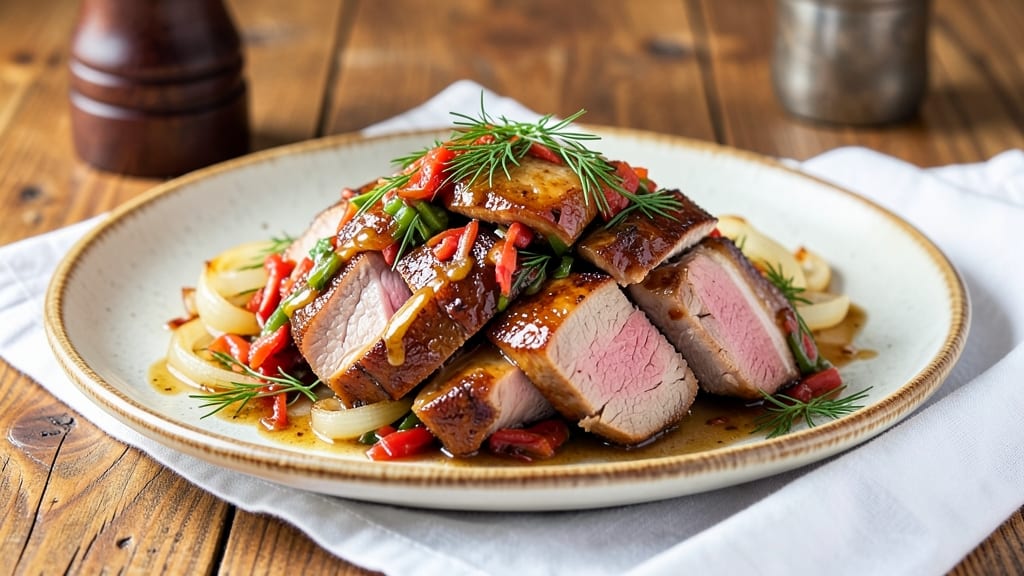
This boneless pork and sauerkraut recipe delivers the perfect marriage of tender, savory pork and tangy, crunchy sauerkraut in one satisfying dish. 🔥 Growing up in Georgia, I learned how pork transforms simple ingredients into something extraordinary—this recipe captures that magic with minimal effort and maximum flavor.
The secret lies in pan-searing the pork until golden, then slow-braising it until fork-tender while the sauerkraut softens just enough to release its signature tang. No fancy techniques required—just a cast iron skillet and patience. The result?
Juicy pork with crisp edges and sauerkraut that’s perfectly balanced between crunch and tenderness. What you’ll end up with is a restaurant-quality dish that’s hearty enough for a family dinner but simple enough for a weeknight.
The pork stays moist and flavorful, while the sauerkraut adds a bright, acidic contrast that cuts through the richness. It’s the kind of meal that tastes even better the next day. Serve with crusty bread to soak up every last bit of the savory juices.
Here’s how to make it—foolproof and full of Southern charm.
Ingredients for boneless pork and sauerkraut
Twelve ingredients transform simple pork and sauerkraut into a restaurant-worthy Southern classic.
| Ingredient | Amount | Notes |
|---|---|---|
| Boneless Pork Shoulder 🥩 | 1 ½ lb | Cut into 1-inch cubes |
| Sauerkraut 🥬 | 2 cups | Drained, rinsed if too acidic |
| Yellow Onion 🧅 | 1 whole | Thinly sliced, about 1.5 cups |
| Garlic Cloves 🧄 | 4 cloves | Minced, for depth of flavor |
| Apple Cider Vinegar 🍎 | ¼ cup | Enhances tangy brightness |
| Dijon Mustard 🍯 | 1 tbsp | For subtle complexity |
| Brown Sugar 🍚 | 2 tbsp | Balances acidity |
| Fresh Thyme 🌿 | 1 tbsp | Leaves only, chopped |
| Black Peppercorns 🌶️ | ½ tsp | Freshly cracked for heat |
| Kosher Salt 🧂 | 1 ½ tsp | Diamond Crystal preferred |
| Olive Oil 🫒 | 2 tbsp | Extra-virgin for searing |
| Beef Broth 💧 | 1 cup | Low-sodium preferred |
| Crusty Bread 🍞 | 6 slices | For serving, optional |
The pork shoulder is the foundation—look for well-marbled cuts at Whole Foods or your local butcher for optimal tenderness. Costco often carries pre-cut pork shoulder at a great price, but if buying whole, ask for it to be cubed for you. The sauerkraut should be vibrant and slightly crunchy; Rehr's or Bubbier's brands deliver consistent quality. Fresh thyme elevates the dish, so if using dried, reduce to one-third the amount. For the apple cider vinegar, Mott's or Bragg's are reliable choices—avoid overly sweet varieties that can throw off the balance.
No sauerkraut? Substitute with fermented cabbage or even sauerkraut juice mixed with shredded cabbage—just be aware the tang will be milder. Swap the Dijon mustard for whole-grain mustard if preferred, though it may slightly alter texture. Brown sugar can be replaced with maple syrup or coconut sugar for a more complex flavor profile. If you're avoiding vinegar, lemon juice at half the amount works in a pinch, though the flavor will differ slightly. The beef broth can be substituted with vegetable broth for a vegetarian-friendly adaptation, though the depth of flavor will be less pronounced.
This dish tastes even better the next day as flavors meld—store leftovers in an airtight container in the fridge for up to 5 days. For longer storage, freeze portions for up to 3 months, though the sauerkraut may soften further. The crusty bread should be served warm; toast slices in the oven at 350°F for 5 minutes before serving to soak up the savory juices. Double the recipe for a crowd—it reheats beautifully in the oven or microwave, though oven reheating preserves texture better.
Why You'll Love This Recipe
- One-Pan Magic: I swear by this for lazy nights—just brown the pork, toss in the sauerkraut and onions, and let it simmer. No extra pots, no fuss, and the vinegar cuts through the richness like a dream.
- Tangy-Sweet Crunch: That first bite? The sauerkraut’s sharp bite against tender pork, then the caramelized onions hitting your tongue—it’s like a hug for your taste buds. The apple cider vinegar ties it all together without overpowering.
- Lunchbox Hero: Pack this cold or reheated—it’s just as good the next day. My kids grab it for school lunches (they call it "gross" but eat it all), and I stash leftovers for quick dinners.
- Budget Stretch: Pork shoulder is affordable, sauerkraut lasts forever, and a few cloves of garlic make it feel gourmet. Honestly, I’ve served this at potlucks for $3 a plate, and no one ever guessed it was cheap.
Step-by-step instructions for braised boneless pork shoulder with sauerkraut
This method delivers melt-in-your-mouth pork with perfectly balanced tangy-sour sauerkraut.
🔥 Step 1: Sear the Pork Shoulder for Deep Flavor
Heat a heavy Dutch oven over medium-high heat until hot. Add the 2 tablespoons olive oil and swirl to coat the bottom evenly. Working in batches (don't overcrowd), add the 1.5 lb boneless pork shoulder cut into 1-inch cubes and sear for 3-4 minutes per side until deep golden brown. This step develops the Maillard reaction, creating complex flavors that will infuse the braise.
As you sear, press down gently on the pork with a spatula to ensure even browning. Remove the pork to a plate and set aside. The fond (browned bits) left in the pot will form the flavor base for your sauce—don't wipe it out. Here's the thing—if you skip this searing step, your dish will taste flat and one-dimensional.
🍳 Step 2: Build the Aromatic Base
In the same Dutch oven, add the 1 whole yellow onion sliced into thin strips and cook for 5-6 minutes until softened and beginning to caramelize at the edges. Add the 4 cloves minced garlic and cook for 30 seconds until fragrant—don't let it brown or it'll turn bitter.
Stir in the 2 cups drained sauerkraut, 0.25 cup apple cider vinegar, and 1 tablespoon Dijon mustard. The sauerkraut will release its liquid as it warms, creating a tangy base. Sprinkle in the 2 tablespoons brown sugar, 1.5 teaspoons kosher salt, and 0.5 teaspoon freshly cracked black peppercorns. This balance of sweet, salty, and tangy is what makes this dish sing.
🥘 Step 3: Braise Until Tender
Return the seared pork to the Dutch oven and pour in the 1 cup beef broth. Bring to a gentle simmer, then reduce heat to low. Cover tightly with a lid and let cook for 1 hour and 15 minutes, stirring occasionally. The pork should be fork-tender when pierced, and the sauce should have thickened slightly.
Here's where patience pays off—the slow braising breaks down the connective tissue in the pork, transforming it into tender, pull-apart perfection. The sauerkraut will soften but retain its crunchy texture. If the liquid reduces too much before the pork is tender, add 2-3 tablespoons water to maintain the proper consistency.
⏰ Step 4: Finish with Fresh Herbs
Once the pork is tender, stir in the 1 tablespoon chopped fresh thyme and simmer uncovered for an additional 5 minutes to allow the flavors to meld. Taste and adjust seasoning if needed—you might need a touch more salt to balance the tangy sauerkraut.
The thyme adds a bright, aromatic finish that cuts through the richness of the pork. This is the moment that matters: let the sauce reduce slightly so it coats the pork beautifully. If you prefer a thicker sauce, simmer for another 2-3 minutes to evaporate excess liquid. The final texture should be rich but not gluey.
🍽️ Step 5: Serve with Crusty Bread
Transfer the braised pork and sauerkraut to a serving platter. The pork should be fork-tender with a glossy sauce clinging to each piece. Serve immediately with the 6 slices crusty bread on the side for soaking up the delicious juices. This dish tastes even better the next day as the flavors deepen, so consider making extra for leftovers.
Each bite should deliver a perfect balance of tender pork, crunchy sauerkraut, and a tangy-sweet sauce. The contrast between the rich pork and the sharp, fermented sauerkraut is what makes this recipe truly special. Pair with a crisp white wine or a dark lager to complement the flavors.
Pro Tips For Making Boneless Pork And Sauerkraut
- Brown the Pork First: Skip the direct braise—sear the pork shoulder in a hot skillet with 1 tablespoon of oil until it hits 160°F internally. That crust traps flavor and keeps the meat from drying out later. (Yes, even if you’re tempted to jump straight to the pot.)
- Rinse the Sauerkraut: Drain the sauerkraut, then rinse it under cold water to cut the acidity. Pat it dry with a towel—wet sauerkraut steams instead of caramelizing, and you’ll end up with a soggy mess. I learned this after making a batch that tasted more like vinegar than pork.
- Use a Splatter Screen: Thinly slicing onions and garlic for this dish sends shrapnel everywhere. Toss them in the pot first, then add the pork to avoid a greasy countertop cleanup. (Trust me, your future self will thank you when you’re not scrubbing vinegar off cabinets.)
- Deglaze with Vinegar: After browning the pork, splash in ¼ cup apple cider vinegar right away—it dissolves the fond and adds depth. Don’t wait; the fond burns fast, and you’ll lose that rich, tangy base the dish needs. (I used to skip this and wondered why my sauerkraut tasted flat.)
Creative variations of boneless pork and sauerkraut
German-Style Sauerkraut Twist
For a true German-inspired variation, swap the apple cider vinegar for ½ cup dry Riesling wine and add 1 bay leaf while braising. Cook the pork with 2 cups sauerkraut and 1 cup beef broth, then finish with 1 tbsp fresh marjoram instead of thyme.
The wine adds depth while the marjoram complements the sauerkraut's acidity. Serve with potato dumplings for an authentic feel. 🌟
Spicy Carolina Heat
Channel Southeast BBQ flavors by adding 1 tbsp hot honey and 1 tsp smoked paprika to the braising liquid. Stir in 1 cup chopped jalapeños (seeds removed for mild heat) during the final 5 minutes of cooking.
The sweet-spicy contrast elevates the dish, and it pairs perfectly with cornbread for a Southern feast. I learned this trick from my time in Charleston—trust me, it's a game-changer. 🔥
Asian-Inspired Fermented Cabbage
Replace the sauerkraut with 2 cups kimchi (Korean-style fermented cabbage) and swap the apple cider vinegar for 2 tbsp soy sauce. Add 1 tbsp grated ginger and 1 tsp sesame oil during the braising.
The umami-rich kimchi brings a bold, tangy-sweet profile that works beautifully with the pork. Garnish with sesame seeds and green onions for a fusion twist. 🌶️
Sweet & Smoky Maple Version
Boost the sweetness by replacing the brown sugar with 3 tbsp pure maple syrup and adding 1 tsp liquid smoke. Cook the pork with 1 cup apple cider instead of broth, and finish with 1 tbsp chopped pecans for crunch.
This variation works like a charm for fall gatherings—it’s sweet, smoky, and packed with Southern comfort. 🍁
Vegetarian Adaptation
Swap the pork for 1.5 lb extra-firm tofu (pressed and cubed) or chickpeas (for protein). Sear the tofu or chickpeas first, then braise with the same sauerkraut and seasonings. The chickpeas add a hearty texture, while tofu absorbs the tangy flavors beautifully. Serve with quinoa for a complete meal. 💪
Slow Cooker Shortcut
For a hands-off approach, sear the pork in a skillet first, then transfer everything to a 6-quart slow cooker. Add all ingredients except the thyme, cook on low for 6-8 hours, then stir in the thyme during the last 30 minutes.
This method keeps the pork tender and the sauerkraut crunchy with minimal effort. Perfect for busy weeknights! ⏰
Nutrition facts
Frequently asked questions
Can I use pork chops instead of pork shoulder?
Pork chops won't work as well because they're too lean and cook much faster. The recipe relies on the pork shoulder's connective tissue to break down during braising, creating that signature tender texture. If you're set on chops, try bone-in pork chops (like rib chops) and reduce the cooking time to 45 minutes instead of braising.
How do I make the sauerkraut less acidic?
Rinse the sauerkraut under cold water before using to remove excess brine, then pat it dry. For extra mildness, soak it in 1 cup water for 10 minutes before draining. You can also reduce the apple cider vinegar to 2 tablespoons instead of ¼ cup to balance the tang. The key is finding that perfect harmony between sweet, salty, and tangy.
What's the best way to reheat leftovers?
Reheat in a skillet over medium-low heat with 1-2 tablespoons water or broth to prevent drying. Cover and warm for 5-7 minutes, stirring occasionally. For oven reheating, cover with foil and bake at 325°F for 15 minutes—this preserves the sauerkraut's texture best. Microwave reheating works but can make the sauerkraut mushy.
Can I substitute sauerkraut with something else?
For a similar tangy crunch, try fermented cabbage juice mixed with shredded green cabbage (simmered for 5 minutes). You could also use pickled red cabbage (drained) or even sautéed green beans with vinegar and sugar for a different texture. The key is maintaining that acidity-sweetness balance that cuts through the rich pork.
Why did my pork turn out dry?
This usually happens from overcooking or skipping the searing step. The pork should be fork-tender but still juicy—if it's 1 hour and 15 minutes and still tough, you may have used a leaner cut. For future batches, try adding 1 cup extra broth and covering tightly for 10 minutes off the heat to steam. The resting period is crucial!