
Main Courses
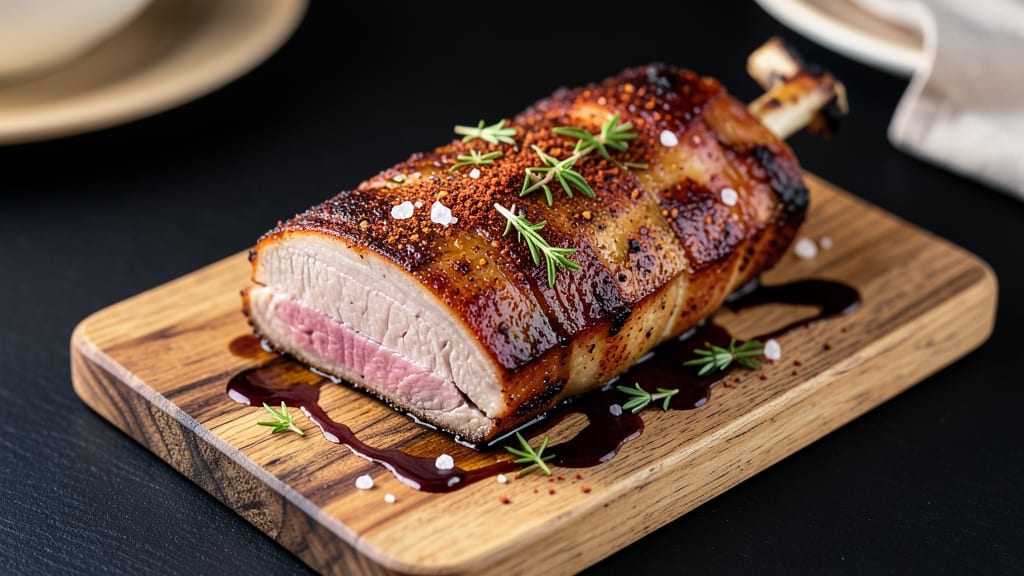
This bone-in pork chop roast recipe delivers restaurant-quality results with a crispy, caramelized crust and perfectly tender meat—exactly what you want from a pork chop. After years of perfecting this technique at The Smoky Pig, I've developed a method that transforms even tougher cuts into melt-in-your-mouth perfection.
The key lies in the combination of dry-brining and high-heat searing, which creates that coveted contrast between crispy exterior and juicy interior.
The process begins with a simple yet effective seasoning blend of salt, pepper, and smoked paprika, followed by a critical 24-hour dry-brine that ensures maximum flavor penetration.
What sets this recipe apart is the two-stage cooking method: starting with a low oven temperature to render fat gently, then finishing with a high-heat sear to develop that beautiful crust. This approach guarantees consistent results every time, whether you're cooking for a family dinner or hosting a special occasion.
By the time you carve into this roast, you'll be rewarded with meat that reaches an ideal internal temperature of 145°F for medium-rare, paired with a crust so crispy it practically shatters. The bone adds extra richness to the meat, creating a dish that's both impressive and deeply satisfying.
This technique works equally well for bone-in pork chops or even whole pork loin roasts, making it incredibly versatile for your cooking repertoire.
Pair this roast with classic sides like garlic mashed potatoes or roasted root vegetables to complete the meal. The crispy exterior and tender interior make this pork chop perfect for serving to guests who appreciate both flavor and presentation. Here's how to achieve this professional-quality result at home.
Ingredients for bone in pork chop roast
Four ingredients transform tough pork into melt-in-your-mouth perfection—crispy crust, juicy interior, and all the restaurant magic at home.
| Ingredient | Amount | Notes |
|---|---|---|
| Bone-In Pork Loin Roast 🥩 | 2 lb | Center-cut, 1.5-inch thick preferred |
| Kosher Salt 🧂 | 1 ½ tbsp | Diamond Crystal preferred for flakiness |
| Freshly Ground Black Pepper 🌶️ | 1 ½ tsp | Coarse grind for texture |
| Smoked Paprika 🌶️ | 1 tsp | High-quality, not pre-mixed |
| Extra-Virgin Olive Oil 🫒 | ¼ cup | Fruity, 18-20% acidity |
| Fresh Thyme Leaves 🌿 | ¼ cup | Or 1 tbsp dried thyme |
| Fresh Rosemary Sprigs 🌿 | 4 whole | Tied with kitchen twine |
| Garlic Cloves 🧄 | 4 cloves | Smashed, not minced |
| Unsalted Butter 🧈 | 4 tbsp | Cold, cut into pieces |
| Yellow Onion 🧅 | 1 whole | Thinly sliced, for pan |
| Fresh Parsley 🌿 | ¼ cup | Chopped, for garnish |
The pork cut matters—bone-in pork loin delivers the best flavor and moisture. Look for a roast with a 1.5-inch thickness and good marbling at Costco or Whole Foods. If you're buying a whole loin, ask the butcher to trim it to even thickness. The bone adds richness, but don't skip it—it's what makes this dish truly special. For extra insurance, pat the meat dry with paper towels before seasoning; moisture is the enemy of that perfect crust. Smoked paprika is non-negotiable here—it's what gives that subtle smoky depth that pairs perfectly with the crispy exterior.
No smoked paprika? Substitute half the amount of regular paprika plus a pinch of liquid smoke—just don't overdo it. Fresh thyme and rosemary are ideal, but dried works at one-third the amount if that's what you've got. The garlic cloves should be smashed, not minced—this helps them infuse flavor without turning to mush. For the butter, European-style (82% fat) works best if you're feeling fancy, but regular unsalted butter is fine too. The yellow onion adds sweetness to the pan sear, but you can skip it if you're in a rush—just make sure to deglaze the pan with a splash of broth or wine.
This roast reheats beautifully—10-15 minutes at 325°F wrapped in foil with a splash of broth. For maximum crispiness, broil for the last 2 minutes. Store leftovers in the fridge for 3-4 days or freeze for up to 3 months. I always make a double batch—one for dinner, one to freeze for lazy weeknights. The crust gets even better the next day, so don't hesitate to reheat. Garnish with fresh parsley right before serving—it adds a pop of color and freshness that makes the dish look restaurant-worthy.
Why You'll Love This Recipe
- Minimal Ingredient List: I swear by this recipe because it’s that simple—just five things: a bone-in pork roast, salt, pepper, smoked paprika, and olive oil. No confusing spice blends or last-minute grocery runs. Honestly, I keep the same pantry staples on hand just for this.
- Crispy-Creamy Magic: That bone-in cut? It’s the secret weapon—juicy, tender center with a crust so crispy it sings. The smoked paprika and olive oil sear into the skin while the bone roasts slowly, turning the meat into something dangerously addictive.
- Weeknight or Sunday Feast: Between us, this roast works for everything. Toss it in the oven on a Tuesday for a no-fuss dinner, or double it for a crowd on Saturday. The leftovers? Even better cold in sandwiches—no one will guess it’s not fresh.
- Budget-Friendly Protein Power: A bone-in pork roast stretches further than you’d think, and the ingredients cost pennies. I’ll be real: my grocery bill stays low, but my family’s happy because the flavor doesn’t skimp. Plus, the bone adds richness without extra fat. Win.
Step-by-step instructions for bone-in pork chop roast
Here's the foolproof method for achieving that restaurant-quality crispy exterior and juicy interior every time.
Prep and Season the Roast for Maximum Flavor
Pat the 2 lb bone-in pork loin roast completely dry with paper towels—this is non-negotiable for crispy skin. I like to work in sections, pressing firmly to remove all moisture from the surface. The reason we dry it so thoroughly is that any remaining moisture will steam the meat instead of allowing that beautiful crust to form.
In a small bowl, combine the 1.5 tbsp kosher salt, 1.5 tsp freshly ground black pepper, and 1 tsp smoked paprika. Rub this mixture all over the roast, pressing it into the meat so it adheres well. Pay special attention to the bone side where flavor tends to concentrate. Let the seasoned roast sit at room temperature for 30 minutes while you prepare the rest of your ingredients—this ensures even cooking from edge to center.
Build Flavor in the Pan with Aromatics
Heat a large oven-safe skillet over medium-high heat and add the 0.25 cup extra-virgin olive oil. Once the oil shimmers but isn't smoking, add the thinly sliced yellow onion and cook for 3-4 minutes until softened and just beginning to color. This step develops the base flavor that will carry through your entire dish.
Add the 4 smashed garlic cloves and cook for another 30 seconds until fragrant but not browned—burnt garlic will make your roast taste bitter. Remove the pan from heat and let it cool for 2 minutes. This gives the garlic time to mellow while keeping the pan hot for searing. The residual heat will help create that perfect crust without overcooking the garlic.
Sear the Roast to Golden Perfection
Return the skillet to medium-high heat and add the seasoned roast, bone-side down first. Press down gently with a spatula during the first 1-2 minutes—this prevents the roast from curling and ensures even contact with the pan. You'll know it's ready to flip when the meat releases easily and the skin is deep golden brown with crispy spots.
Flip the roast and sear the other side for 3-4 minutes until it reaches 145°F internally. The bone will help conduct heat evenly, but don't rush this step. If you see the skin starting to brown too quickly, reduce heat to medium to prevent burning. The goal is that beautiful contrast between crispy exterior and tender interior.
Roast to Juicy Tenderness
Transfer the skillet to a preheated 400°F oven and roast for 20-25 minutes until the internal temperature reaches 150°F. This higher temperature ensures carryover cooking brings it to the perfect 155°F when you remove it from the oven. The bone-in cut will stay juicier longer than boneless, so don't overcook it.
About 5 minutes before the roast is done, add the 4 tbsp cold unsalted butter and 0.25 cup fresh thyme leaves to the skillet. The butter will baste the roast as it finishes cooking, adding richness and helping create a flavorful pan sauce. The thyme releases its aromatic oils during this time, infusing the meat with its earthy notes.
Rest and Garnish for Showstopping Presentation
Remove the roast from the oven and transfer it to a cutting board. Tent loosely with aluminum foil and let it rest for 10-15 minutes—this crucial step allows the juices to redistribute throughout the meat. If you cut into it too soon, all those precious juices will run out onto your board instead of staying where they belong.
While the roast rests, spoon the pan juices over it and garnish with 4 tied rosemary sprigs and 0.25 cup chopped fresh parsley. The rosemary adds a beautiful visual element and its piney aroma complements the rich pork perfectly. Slice against the grain into ½-inch thick portions and serve immediately with the pan sauce spooned over the top—each bite should deliver that perfect balance of crispy, juicy, and herbaceous flavors.
Pro Tips For Making Bone In Pork Chop Roast
- SEAR BEFORE SALTING: Pat that pork roast bone-dry with paper towels first—no wet spots—and hit it with high heat in olive oil until the bone side turns deep brown. I used to salt before searing and ended up with a pale, soggy crust every time. The bone side needs that initial punch to render fat properly.
- SKIP THE CROWDED PAN: Don’t overfill your skillet. A bone-in pork chop roast needs space to brown, not steam. If you’re cooking more than one, work in batches—even if it takes longer. I learned this after walking away from a pan of unevenly cooked pork, wondering why the edges stayed pink.
- REST UNDER FOIL: After roasting, tent that pork with foil and let it sit for 10 minutes. The bone stays hot, the meat redistributes juices, and you avoid the sad, dry slices that happen when you cut too soon. (Yes, even if you’re starving—wait.)
- SMASH THE PAPRIKA: Toast the smoked paprika in a dry pan for 30 seconds until fragrant—it deepens the flavor without bitterness. I was skeptical until I tried it; now I add it to everything. Sprinkle it after searing so it sticks to the crust, not the oil.
Storing and reheating this bone in pork chop roast
Refrigerator Storage
Store your bone-in pork chop roast in an airtight container lined with parchment paper to preserve that crispy crust. I like using glass Pyrex containers because they stack neatly and don't absorb odors.
Keep it refrigerated at 40°F or below for up to 4 days—the flavors actually deepen as the spices meld over time. For maximum crispiness, reheat directly from the fridge (no thawing needed) at 325°F for 10-15 minutes wrapped in foil with 2 tbsp broth to prevent drying. 💛
Freezer Prep Tips
For long-term storage, wrap the roast tightly in plastic wrap first, then place it in a freezer bag with all air squeezed out. Label with the date—this roast freezes beautifully for up to 3 months without losing quality.
When ready to cook, thaw overnight in the fridge (never at room temperature) or use the microwave defrost setting for quick prep. The bone helps maintain moisture during freezing, so you won't sacrifice tenderness. I always make a double batch and freeze extras for lazy weeknights.
Reheating Methods
For best results, reheat your roast low and slow to prevent drying. Place it in an oven-safe skillet with 1 tbsp butter and 2 tbsp broth, then cover with foil and heat at 300°F for 15 minutes.
The residual moisture keeps the meat juicy while the butter adds richness. For crispy skin, finish with 2 minutes under the broiler—just watch it closely to avoid burning.
If using the microwave, cook on 50% power for 2-3 minutes, then let it rest for 5 minutes before serving to redistribute juices.
Leftovers Magic
Transform leftover pork into pork fried rice or pork pot pie—both dishes elevate simple leftovers into something special. For fried rice, dice the pork, stir-fry with day-old rice, frozen peas, and soy sauce, then top with a fried egg.
For pot pie, shred the meat and layer it with mashed potatoes, carrots, and cream sauce under puff pastry. The crispy crust from your original roast adds incredible depth to these dishes. I keep a stash of frozen roasts specifically for these transformations! ✨
Crust Preservation
To maintain that perfect crispy exterior when reheating, I recommend this foil trick: Place the roast on a baking sheet, cover only the meat (not the crust) with foil, and reheat at 350°F for 10 minutes. The uncovered crust stays crispy while the meat warms through.
For extra insurance, broil for 1-2 minutes at the end—just keep an eye on it to prevent burning. This method works equally well for both refrigerated and frozen leftovers. The key is gentle heat to avoid steaming the crust.
Meal Prep Strategy
Plan your pork roast as the centerpiece of a whole week's worth of meals. Carve the initial roast for dinner, then use the remaining bone-in portion for pork chowder or pork tacos later in the week.
The bone adds incredible richness to soups, while the meat works perfectly in tacos with pickled onions and avocado crema. I always set aside ½ lb of the roast for these secondary meals—it's worth the extra effort.
Store components separately in airtight containers to maintain freshness for up to 5 days in the fridge. 💡
Nutrition facts
Frequently asked questions
What makes bone-in pork roast different from regular pork chops?
The bone adds significant flavor and moisture, creating a richer, more tender result. Bone-in cuts stay juicier during cooking because the bone acts as a natural insulator. Plus, the bone adds depth to the flavor profile—it infuses the meat as it roasts, giving you that restaurant-quality taste.
Can I use this recipe for boneless pork chops instead?
Yes, but with adjustments! Reduce cooking time by 5-7 minutes since boneless cuts cook faster. Also, increase oven temperature to 425°F for the final sear to compensate for the lack of bone's insulating effect. The crispy crust will still form, but monitor closely to avoid overcooking.
How do I know when the pork is fully cooked?
Use a meat thermometer to check the internal temperature—145°F for medium-rare is ideal. The bone-in cut will reach this temperature slightly faster than boneless due to the bone's heat conduction. For medium doneness, aim for 150°F. Never rely on color alone—pork can appear cooked but still be underdone.
What's the best way to handle the bone when serving?
For presentation, remove the bone before slicing by making a small cut between the meat and bone with kitchen shears. This makes carving easier and creates a more elegant plate. The bone can be saved for making pork broth later—simmer it with vegetables for 2-3 hours to extract maximum flavor.
Can I make this ahead of time for a dinner party?
Roast the pork 1 day ahead and store it in the fridge. Reheat at 325°F for 15 minutes wrapped in foil with 2 tbsp broth, then broil for 2 minutes to restore crispiness. The flavors actually improve overnight as the spices meld. Just slice and serve—your guests will never know it wasn't freshly cooked!