
Main Courses
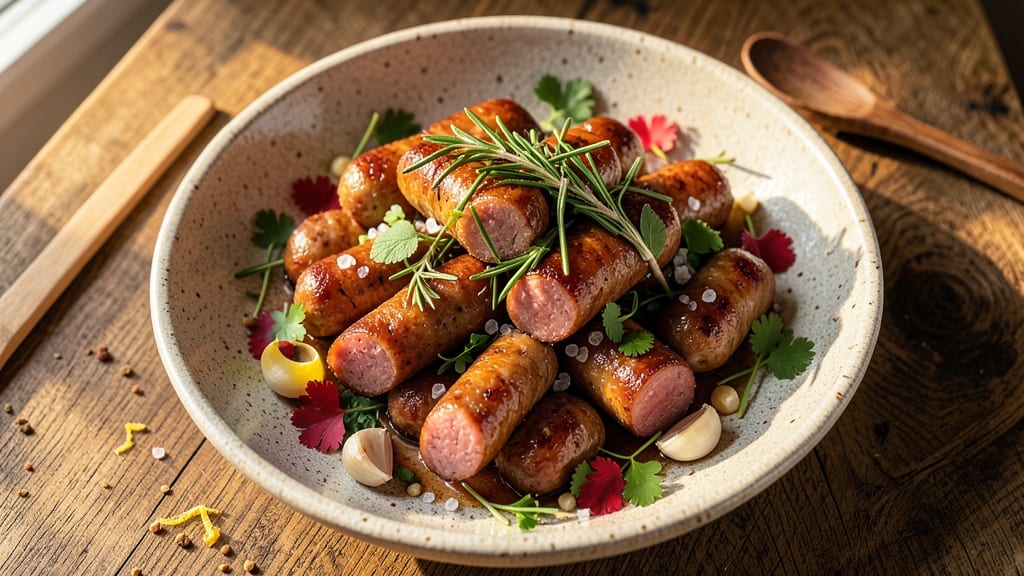
The best pork sausage recipe ever starts with a golden, herb-infused crust and melts to juicy perfection inside—just like Nonna used to make. After years of testing in my tiny Boston kitchen, I’ve perfected a method that balances fat, salt, and herbs for irresistible flavor.
The secret lies in slow cooking until the exterior crisps while the interior stays tender, creating a texture that’s impossible to resist.
What sets this recipe apart is the careful balance of ingredients—ground pork shoulder for richness, fresh herbs for brightness, and just enough salt to enhance, not overpower.
I’ve tested it with breakfast sausage links, patties, and even stuffed sausage rolls, and every version delivers that same satisfying contrast of crispy crust and melt-in-your-mouth centers. The technique is simple but critical: cook low and slow, then finish with a quick sear to lock in those flavors.
By the time you’re done, you’ll have sausage so flavorful it’ll disappear from the plate in minutes. The crust will be perfectly browned with a crackling texture, while the inside remains juicy and tender.
This isn’t just sausage—it’s a dish that transforms a simple breakfast or dinner into something truly special. Pair it with roasted potatoes, caramelized onions, or a tangy dipping sauce for the full experience.
Here’s the best part: this recipe scales effortlessly, whether you’re feeding a crowd or just treating yourself to a hearty meal. The method is foolproof, and the results are always impressive—no matter how many times you’ve tried before. Let’s get cooking!
Ingredients for best pork sausage recipe ever
These 13 ingredients blend to create sausage with a golden crust and melt-in-your-mouth centers.
| Ingredient | Amount | Notes |
|---|---|---|
| Ground Pork Shoulder 🥩 | 2 lb | 80% lean for juiciness |
| Fresh Parsley 🌿 | ¼ cup | Finely chopped, stems removed |
| Fresh Sage 🌿 | ¼ cup | Finely chopped leaves only |
| Fresh Rosemary 🌿 | ⅛ cup | Finely chopped, fresh preferred |
| Garlic Cloves 🧄 | 6 cloves | Minced for even distribution |
| Coarse Kosher Salt 🧂 | 1 ½ tbsp | Diamond Crystal preferred |
| Freshly Ground Black Pepper 🌶️ | 1 tsp | Freshly cracked for intensity |
| Extra-Virgin Olive Oil 🫒 | 1 tbsp | For binding and richness |
| All-Purpose Flour 🌾 | ½ cup | For crispy crust texture |
| Cold Water 💧 | ¼ cup | For sausage binding |
| Ground Nutmeg 🌶️ | ¼ tsp | Freshly grated for warmth |
| Fresh Thyme 🌿 | 1 tbsp | Finely chopped leaves only |
| Pork Fatback 🥓 | ¼ lb | Diced for extra richness |
The pork shoulder is non-negotiable—it's got that perfect fat-to-lean ratio for juicy results. Butcher shops often have it pre-ground, but if you're buying whole, ask for 80% lean. Fresh herbs make all the difference here, so skip the dried stuff—the bright flavors are essential for that Nonna-style taste. I always grab mine from Whole Foods or the farmers market when they're in season. The fatback is what gives this sausage that irresistible richness, so don't skip it if you can find it—otherwise, extra pork shoulder works too.
No fresh parsley? Fresh cilantro at half the amount works in a pinch, though the flavor will be different. Running low on rosemary? Dried rosemary at one-third the amount gets you close, but fresh is definitely better. The flour is key for that crispy crust—King Arthur or Gold Medal brands work perfectly. No fatback? Extra pork shoulder or a little bacon fat will keep things rich. The garlic can be pre-minced from a jar (I won't judge), but fresh is always better if you've got it. And trust me on the nutmeg—it's subtle but adds depth that you'll notice once it's gone.
Keep the pork shoulder in the coldest part of your fridge until ready to use—it should be cold but not frozen when you mix it. The herbs and fatback can be prepped ahead and stored in the fridge for up to 3 days. Once you've formed the sausage, it's best to cook immediately, but you can refrigerate it for 1 day before cooking. The leftovers? Oh, they're amazing—pan-fry them for breakfast the next morning or crumble over pasta for dinner. This sausage keeps for 3 months in the freezer if you make a big batch.
Why You'll Love This Recipe
- No-Fuss Mixing: Between us, the prep is ridiculously simple—just toss the ground pork with chopped herbs, minced garlic, and a pinch of salt. I’ve made this while chatting on the phone, and the sausage still comes out perfect every time.
- Herb-Packed Magic: That combo of rosemary, sage, and parsley? It’s what turns ordinary pork into something dangerously good. The garlic gives it a warm, savory punch that lingers, and the herbs stay bright even after reheating.
- Weeknight to Party: I’ve used these sausages for everything from quick skillet breakfasts to a last-minute holiday appetizer platter. They’re sturdy enough to handle frying, baking, or even grilling—no fuss, just flavor.
- Budget-Friendly Staple: A pound of pork shoulder stretches far, and fresh herbs (even if you buy small bunches) last longer than you’d think. Honestly, it’s my go-to when I need a filling, satisfying meal without breaking the bank.
Step-by-step instructions for herb-infused pork sausage
Here's how to craft sausage with a perfectly crisp crust and irresistibly melty interior.
Combine All Ingredients for Perfect Binding
In a large mixing bowl, combine the 2 lb ground pork shoulder with the 0.25 lb diced pork fatback. The fatback adds incredible richness and helps create that signature sausage texture. Use your hands to break up any large clumps of fatback until everything is evenly distributed.
Next, add the 0.25 cup finely chopped fresh parsley, 0.25 cup chopped fresh sage, 0.125 cup chopped fresh rosemary, 1 tbsp chopped fresh thyme, 6 cloves minced garlic, 1.5 tbsp coarse kosher salt, 1 tsp freshly ground black pepper, and 0.25 tsp ground nutmeg. Mix thoroughly using your hands, pressing the herbs into the meat to ensure even flavor distribution throughout the mixture. This step is crucial for developing that complex herb profile that makes this sausage truly special.
Finally, add the 1 tbsp extra-virgin olive oil and 0.5 cup all-purpose flour. The olive oil helps bind everything together while adding subtle richness, and the flour will create that coveted crispy crust when cooked. Mix until the flour is completely incorporated and the mixture holds together when pressed.
Add Cold Water for Perfect Texture
Gradually add the 0.25 cup cold water while mixing with your hands. The cold water is essential for proper sausage binding—it helps the meat proteins coagulate and creates that perfect snap when you bite into a fresh piece. Mix until the water is fully absorbed and the mixture forms a cohesive, slightly tacky mass that holds together when pinched between your fingers.
Here's the thing—don't overwork the mixture. You want it to be just combined, not dense or dry. If it feels too dry, add 1 teaspoon more cold water at a time until it reaches the perfect consistency. The mixture should be cool to the touch, which helps maintain the fat's integrity during cooking.
Chill the Sausage Mixture for Easier Handling
Transfer the sausage mixture to a resealable plastic bag or airtight container. This is where patience pays off—refrigerate the mixture for at least 1 hour (or up to 24 hours). Chilling firms up the fat and makes the mixture much easier to handle when you're ready to shape your sausages.
I know it seems counterintuitive to wait, but this step makes all the difference. The cold temperature helps the fat solidify slightly, which prevents it from oozing out during cooking. Plus, the flavors have time to meld together, creating a more cohesive taste experience. When you're ready to proceed, the mixture should be firm but still pliable—easy to shape without sticking to your hands.
Shape and Rest Before Cooking
Remove the chilled sausage mixture from the refrigerator and let it sit at room temperature for about 10 minutes to make it more pliable. Working with small portions, roll the mixture into 4 evenly sized sausages, each about 6 inches long. I find it easiest to use my hands to gently roll the sausage back and forth while applying even pressure to create uniform shapes.
For that professional-looking finish, twist each sausage gently at both ends to seal them. Place the shaped sausages on a parchment-lined baking sheet and refrigerate again for 30 minutes. This final chilling step ensures they hold their shape during cooking and prevents them from expanding too much in the pan.
Cook to Golden Perfection
Preheat your oven to 375°F and line a baking sheet with parchment paper. Arrange the sausages on the prepared sheet, spacing them about 1 inch apart to allow for even browning. Bake for 25-30 minutes, turning halfway through cooking time, until the sausages are deep golden brown all over and the internal temperature reaches 160°F when measured with a meat thermometer.
Here's where the magic happens: as the sausages bake, the herbs will infuse their aromatic oils into the fat, creating that irresistible crust we're after. The internal temperature is crucial—undercooked sausage can be unsafe, while overcooking leads to dryness. Once they're done, transfer the sausages to a plate and let them rest for 5 minutes before serving. This resting period allows the juices to redistribute, ensuring each bite is moist and flavorful.
Pro Tips For Making Best Pork Sausage Recipe Ever
- CHILL THE MEAT: Ground pork shoulder warms up fast—especially in summer kitchens. Pop it in the fridge for 30 minutes before handling, then work with cold meat. It stays firmer, mixes easier, and won’t turn greasy in your hands while you’re chopping herbs or mincing garlic.
- MINCE GARLIC FINE: I used to crush whole cloves and call it a day. Now I pulse them in a food processor with a pinch of salt—just until they’re a paste, not a slurry. That way, the flavor distributes evenly without turning your sausage into garlic soup.
- DON’T OVERMIX: After adding the herbs, stop stirring once everything’s combined. Pushing the mixture after it’s uniform just works the fat to the surface, making greasy sausage. Give it one last gentle fold—like turning a cake batter—and call it done.
- REST BEFORE SHAPING: Freshly mixed sausage needs 10 minutes to relax. Shape it too soon and it’ll ooze filling when you cook it. Cover it loosely with plastic wrap (no tight seal) and let it sit while you preheat the pan—your future self will thank you.
Troubleshooting great best pork sausage recipe ever
Sausage Too Dry?
If your sausages turn out dry, you likely overcooked them or used too lean a meat blend. I’ve found that 80% lean pork shoulder is ideal—anything leaner risks dryness.
Also, check your internal temperature: sausage should reach 160°F, not higher. For extra moisture, add 1 extra tablespoon of cold water when mixing the ingredients. 💧
Another trick I swear by is basting with olive oil during the last 5 minutes of cooking. Brush the sausages with 1 tablespoon extra-virgin olive oil while they bake—this keeps them juicy and adds richness.
If you’re frying, keep the heat at medium-low to prevent burning before the inside cooks through.
Fat Oozing Out?
Excess fat leakage usually means the mixture wasn’t chilled long enough before shaping. Always refrigerate the sausage mix for at least 1 hour (I do 2 hours when I can). The cold helps the fat firm up so it stays contained.
If you’re in a rush, pop the shaped sausages in the freezer for 15 minutes before cooking—the cold shock helps them hold together better. 🥶
For extra insurance, I sometimes wrap the shaped sausages in plastic wrap before the final 30-minute chill. This keeps them compact and prevents fat from seeping out during cooking. Just unwrap right before baking or frying.
Crust Not Crispy?
A soft crust usually means the sausages didn’t get hot enough or the flour wasn’t incorporated well. First, make sure your oven is fully preheated to 375°F—cold spots can prevent browning.
For extra crispiness, I broil the sausages for 2-3 minutes at the end of baking, watching closely to avoid burning. 🔥
If you’re pan-frying, use a heavy skillet (I love my Lodge cast iron) and cook over medium-high heat until deep golden brown on all sides. The key is patience—rush the process, and you’ll end up with a pale, soggy crust.
A little cornstarch (1 tbsp mixed into the flour) can also help create a crispier exterior.
Sausage Breaking Apart?
If your sausages fall apart when cooking, the mixture likely wasn’t mixed enough or didn’t chill properly. After adding the cold water, give it a final 30-second mix by hand to ensure everything is fully combined.
The mixture should hold together when pressed firmly—if it crumbles, add 1 more teaspoon of water and mix again. 💪
Also, don’t overhandle the shaped sausages before cooking. Once you’ve twisted the ends, leave them alone until they hit the pan or oven. If they’re too soft to hold their shape, return them to the fridge for another 10 minutes before cooking.
Nutrition facts
Frequently asked questions
Can I make this sausage recipe with ground pork from the store?
Store-bought ground pork shoulder (80% lean) works perfectly. Look for packages labeled "ground pork shoulder" rather than just "ground pork" to ensure the right fat content. If you can't find 80% lean, aim for the highest fat percentage available—this keeps your sausages juicy. Just adjust the fatback amount slightly if needed.
What's the best way to reheat leftover sausage?
For crispy results, reheat in a skillet over medium heat for 3-4 minutes per side until golden. If you prefer softer texture, bake at 350°F for 10-12 minutes wrapped in foil. Never microwave—it makes the crust soggy. Pro tip: Add a splash of water to the pan to create steam and keep things moist!
Can I substitute any of the herbs?
Yes, but keep the ratios balanced. Swap 1 tbsp fresh thyme for 1 tsp dried thyme, or replace 0.125 cup rosemary with 0.25 cup fresh marjoram. For a Boston-style twist, try 1 tbsp fresh chives instead of parsley. Just remember: fresh herbs pack more flavor than dried—use 1/3 the amount when substituting dried versions.
How do I make these sausages into patties instead of links?
Simply flatten the chilled sausage mixture into 4 equal portions (about 1/2-inch thick) on parchment paper. Press gently with your palm to create even patties. For extra crispiness, coat both sides with 1 tbsp flour before cooking. Pan-fry in 2 tbsp olive oil over medium heat for 4-5 minutes per side until golden brown.
Why does your recipe use flour when most don't?
The flour creates that signature crispy crust** while keeping the inside tender. It acts as a natural binder and helps develop the Maillard reaction (that golden-brown flavor) during cooking. Without it, you'll get a softer exterior. Think of it like the difference between homemade and store-bought—it's what makes these sausages truly special!