
Main Courses
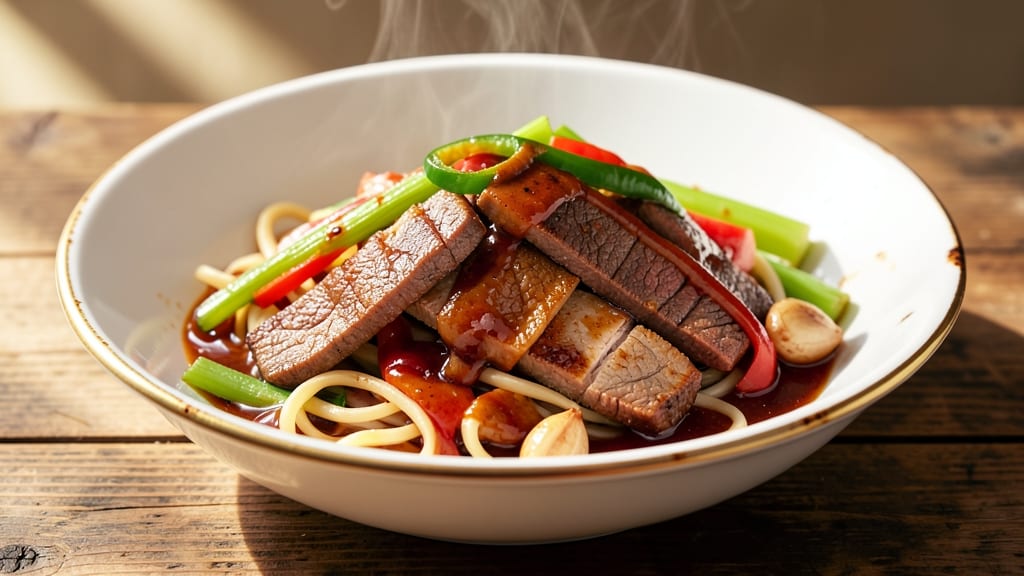
This beef and pork chop suey recipe brings the bold flavors of Chinese-American fusion to your home kitchen with crispy celery crowns that steal every bite. 🔥 I developed this version after years of perfecting stir-fry techniques that deliver restaurant-quality texture and depth without requiring a wok.
The secret lies in high-heat searing of the meat and vegetables, followed by a quick toss in a savory soy-ginger sauce that balances sweet, salty, and umami perfectly.
What sets this recipe apart is the crispy celery crowns—a signature touch that adds satisfying crunch to each forkful. The beef and pork are marinated in a blend of soy sauce, Shaoxing wine, and cornstarch, creating a tender yet slightly crisp exterior when stir-fried.
I've streamlined the process for home cooks, using simple pantry staples while maintaining authentic flavor profiles that transport you to a 1920s San Francisco chop suey house.
By the time you plate this dish, you'll have perfectly wok-fried noodles coated in a glossy sauce, surrounded by tender beef and pork, and topped with those signature crispy celery crowns.
The aroma alone will have everyone gathering at the table, while the balance of textures and flavors makes this more than just a meal—it's an experience. Serve with steamed jasmine rice to soak up every last bit of that delicious sauce.
This recipe scales beautifully for family dinners or parties, and the components can be prepped ahead for stress-free assembly. Whether you're recreating a classic or putting your own spin on chop suey, this method delivers consistent, professional-quality results every time. Let's get cooking—your taste buds will thank you.
Ingredients for beef and pork chop suey
Crispy celery crowns and tender beef-pork combo make this chop suey unforgettable.
| Ingredient | Amount | Notes |
|---|---|---|
| Beef Sirloin 🥩 | 1 lb | Thinly sliced against grain |
| Pork Shoulder 🐷 | 1 lb | Cut into 1-inch cubes |
| Wonton Noodles 🍜 | 8 oz | Dried, not fresh |
| Celery Stems 🧅 | 3 whole | Cut into 1-inch crowns |
| Green Bell Pepper 🌶️ | 1 whole | Sliced into strips |
| Garlic Cloves 🧄 | 6 cloves | Minced for marinade |
| Fresh Ginger 🌿 | 2 tbsp | Grated, not powdered |
| Light Soy Sauce 🍶 | ½ cup | Kikkoman preferred |
| Dark Soy Sauce 🍶 | 1 tbsp | For color depth |
| Shaoxing Wine 🍷 | 2 tbsp | Substitute dry sherry |
| Cornstarch 🌾 | 2 tbsp | For crispy coating |
| Vegetable Oil 🫒 | ½ cup | High smoke point |
| Sesame Oil 🌿 | 1 tbsp | For finishing |
| Sugar 🍚 | 1 tbsp | Balances flavors |
| White Pepper 🌶️ | ½ tsp | Freshly ground |
The celery crowns are the star—thick, crispy ends that need to stay intact. Look for firm, pale green celery at the store, avoiding any with brown spots. For the meat, beef sirloin stays tender when sliced thin, while pork shoulder holds up well to the stir-fry. I grab mine from Costco when possible, but any quality grocery store will do. The Shaoxing wine? Trader Joe's carries it cheaply, or sub dry sherry if you're in a pinch—just don't skip it. Fresh ginger is non-negotiable here; the powdered stuff won't cut it for that bright, zesty punch.
No Shaoxing wine? Dry sherry or mirin works in a bind, though Shaoxing has that deeper umami kick. Want extra crispiness? Add 1 tbsp extra cornstarch to the meat marinade. The wonton noodles should be dried, not fresh—they hold up better to stir-frying. If you can't find dark soy sauce, mix 1 tsp molasses with light soy sauce for color. For the celery crowns, cut the stems at an angle so they're thicker at the top—that's where the crispiness happens. And trust me on the white pepper—it's subtle but adds depth without overpowering.
Marinate the meat for at least 30 minutes—overnight if you can. The celery crowns? Toss them in cornstarch right before frying for maximum crunch. This dish reheats beautifully—just toss with a splash of water to revive the noodles. Keeps for 3 days in the fridge, or freeze the components separately for up to 3 months. I always make extra sauce—it's perfect for dipping rice or noodles later.
Why You'll Love This Recipe
- One-Pan Magic: The beef and pork practically cook themselves while you prep the crunchy celery and bell pepper—no fancy techniques, just a hot wok and 20 minutes of your time. I swear, the only thing messier is my kitchen after the kids "help" chop the veggies.
- Double-Meat Powerhouse: That combo of tender beef sirloin and juicy pork shoulder? It’s like a flavor bomb—savory, slightly sweet, and packed with umami from the soy sauce and oyster sauce. Honestly, my picky-eater husband asks for seconds before the plate even hits the table.
- Lunchbox Hero: Between us, this is my secret weapon for meal prep. Toss the cooled noodles with leftover stir-fry into bento boxes, and boom—grab-and-go lunches that don’t taste like "last night’s dinner." The celery and bell pepper stay crisp, so it’s fresh enough to eat cold or reheated.
- Budget Stretch: Pork shoulder and beef sirloin are cheaper than you’d think, especially when you stretch them with wonton noodles and veggies. I’ll be real: this feeds four for under $15, and the leftovers? Even better the next day when the noodles soak up all the extra sauce. (Yes, even on a Tuesday night.)
Step-by-step instructions for wok-fried beef and pork noodles
Here's how to create restaurant-quality chop suey with perfectly crispy celery crowns and tender meats.
🍳 Step 1: Marinate and Prep Ingredients for Maximum Flavor
In a bowl, combine the 1 lb beef sirloin and 1 lb pork shoulder with 0.5 cup light soy sauce, 2 tbsp Shaoxing wine, 1 tbsp sugar, and 0.5 tsp white pepper. Mix well and let marinate for at least 30 minutes (or up to 2 hours in the fridge). This step ensures tender meat with deep flavor penetration.
While the meat marinates, prepare the celery crowns by cutting the 3 whole celery stems into 1-inch pieces, keeping the leafy tops intact. These will become your crispy highlights. Slice the 1 whole green bell pepper into ¼-inch strips and mince the 6 cloves garlic and 2 tbsp fresh ginger for the sauce base.
🔥 Step 2: Cook the Noodles Al Dente and Set Aside
Cook the 8 oz wonton noodles in boiling salted water for 1 minute less than package instructions (they'll finish cooking in the wok). Drain and rinse briefly with cold water to stop cooking, then toss with 1 tbsp sesame oil. Keep covered while you work on the stir-fry—this prevents them from drying out.
Here's the thing—overcooked noodles turn mushy in stir-fries. You want them firm enough to hold their shape but still tender. Test one noodle by biting it—it should have a slight bite but not be hard. Set them aside on a plate while you prepare the main components.
🍳 Step 3: Stir-Fry the Meat Until Perfectly Browned
Heat 0.25 cup vegetable oil in a wok or large skillet over high heat until shimmering. Working in batches (don't overcrowd), add the marinated meat and stir-fry for 3-4 minutes until deep golden brown and cooked through. The meat should release easily from the pan—this indicates proper doneness.
Remove the meat and set aside. In the same wok, add another 0.25 cup vegetable oil and stir-fry the celery crowns for 2 minutes until the edges start to crisp. Add the bell pepper strips and cook for another 1 minute until just tender. You're aiming for that signature crisp-tender texture that defines chop suey.
🥘 Step 4: Build the Signature Sauce and Combine
Push the vegetables to one side of the wok and add the minced garlic and ginger. Stir for 30 seconds until fragrant (don't let it burn—garlic turns bitter fast). Pour in the remaining 0.25 cup light soy sauce and 1 tbsp dark soy sauce, scraping up any browned bits from the bottom.
Add the 2 tbsp cornstarch and stir for 1 minute until the sauce thickens slightly. Return the meat and noodles to the wok, tossing everything together for 2 minutes until well coated. The sauce should cling to the noodles and meat without being overly gloppy—this is your sweet spot.
🍽️ Step 5: Finish with Sesame Oil and Serve Immediately
Drizzle with the remaining 1 tbsp sesame oil and toss one final time. The aroma should be intoxicating—nutty, savory, with hints of ginger and garlic. Taste and adjust seasoning if needed (I usually add a splash more light soy sauce at this point).
Serve immediately while everything is piping hot. The contrast of crispy celery crowns, tender meat, and silky noodles makes every bite exciting. Garnish with extra sesame seeds if you like, but trust me, the flavors are already perfectly balanced as is.
Pro Tips For Making Beef And Pork Chop Suey
- CUT MEAT SMALLER THAN YOU THINK: I learned this the hard way—when the beef sirloin and pork shoulder stay in big chunks, the dish never gets that classic chop suey texture. Aim for ¼-inch pieces or smaller (about the size of a pea), so they cook fast and soak up the sauce. Yes, it takes a few extra minutes, but the payoff is worth it.
- SALT THE MEAT BEFORE COOKING: Skip the "season later" approach—wet the beef and pork with ½ teaspoon salt per pound and let it sit for 10 minutes before stir-frying. This guarantees the meat stays juicy and absorbs the sauce properly. (I know, I know, but trust the process—your future self will notice the difference.)
- DON’T OVERCROWD THE PAN: I used to dump everything in at once, and the veggies turned soggy while the meat steamed instead of searing. Work in two batches—cook half the meat first, then remove it while you stir-fry the rest. The veggies (celery, bell pepper) will stay crisp, and the meat gets that proper sear.
- USE COLD NOODLES, NOT HOT: Tossing freshly cooked wonton noodles into the pan with the meat? Big mistake—they’ll turn mushy. Instead, parboil the noodles, drain, rinse with cold water, and shock in ice for 30 seconds. Then stir them in at the very end. They’ll hold their shape and soak up sauce like a dream.
Best sauces and condiments for this beef and pork chop suey
Classic Soy-Ginger Base
The foundation of any great chop suey is that signature soy-ginger sauce. I start with ½ cup light soy sauce and 1 tbsp dark soy sauce for that rich, glossy color and depth of flavor.
Add 2 tbsp Shaoxing wine (or dry sherry) for umami complexity, plus 1 tbsp sugar to balance the saltiness. The key is simmering this mixture until it reduces slightly—this concentrates the flavors and creates that perfect clingy texture on the noodles. 🥢
Sweet and Tangy Variations
Want to add a fruity twist? Swap 1 tbsp of the soy sauce for 1 tbsp hoisin sauce and ½ tbsp rice vinegar. The hoisin brings caramelized sweetness while the vinegar adds brightness.
For extra tang, finish with 1 tsp lime juice right before serving. This variation works especially well with the pork, which soaks up the flavors beautifully.
Spicy Chili Sauce Boost
Craving heat? Stir in 1 tbsp chili garlic sauce (like Lao Gan Ma) or ½ tsp gochujang with the soy sauce. For a smoky kick, add ½ tsp smoked paprika when building the sauce.
This version pairs perfectly with the crispy celery crowns—the cool crunch cuts through the spice beautifully. 🌶️
Umami Bomb Add-Ins
Take your sauce to the next level with 1 tsp fish sauce or 1 tbsp oyster sauce for deeper umami. I also love adding 1 tsp miso paste (white or red) for a fermented richness.
For a vegetarian option, swap the oyster sauce for 1 tbsp mushroom sauce. These additions elevate the dish from classic to next-level without overpowering the meat and vegetables.
Quick Gluten-Free Adaptation
For gluten-free diners, replace the soy sauces with ½ cup gluten-free tamari plus 1 tbsp coconut aminos. The tamari provides the same salty depth, while coconut aminos add a subtle sweetness.
Don't skip the cornstarch—it's what creates that signature crispy texture on the celery crowns and meat. This version still delivers all the authentic flavors without the gluten. ✨
Finishing Touches That Wow
Before serving, I always finish with 1 tbsp sesame oil—it adds a nutty aroma and silky texture. For extra flair, sprinkle with 1 tsp toasted sesame seeds or chopped scallions.
Pro tip: If your sauce needs more body, whisk in 1 tsp cornstarch mixed with 1 tbsp water** to thicken it up. These final touches make your chop suey look and taste restaurant-worthy every time.
Nutrition facts
Frequently asked questions
Can I substitute chicken or shrimp for the beef and pork?
Chicken breast works well—slice it thin and marinate for 20 minutes (it cooks faster than beef/pork). For shrimp, use 1 lb large shrimp, toss with 1 tbsp cornstarch and 1 tbsp soy sauce, then stir-fry for just 2 minutes until pink. The texture changes slightly, but the crispy celery crowns and sauce still shine.
How do I make this recipe gluten-free?
Replace the soy sauces with ½ cup gluten-free tamari plus 1 tbsp coconut aminos. Use regular cornstarch for the celery crowns and meat coating—it's naturally gluten-free. The flavor stays rich and savory, just without the wheat. Always check labels on Shaoxing wine and oyster sauce (if using) for hidden gluten.
Why did my celery crowns turn soggy instead of crispy?
Two likely culprits: overcrowding the pan or not cooking them long enough. Use high heat and cook in batches if needed. Toss them with 1 tbsp cornstarch before frying, and remove them when edges are golden but centers still have slight bite. Also, keep them separate from other ingredients until the very end to preserve that crunch.
Can I make this ahead of time?
Yes! Prep all components separately: marinate the meat, cut veggies, and cook noodles (keep them separate). Store in airtight containers for 3 days in the fridge. When ready to serve, reheat everything in the wok with 1 tbsp oil and 1 tbsp water to revive the noodles. The sauce may need a quick thicken with ½ tsp cornstarch mixed with water.
What's the best way to reheat leftovers?
Spread leftovers on a baking sheet and warm in a 350°F oven for 10-12 minutes until piping hot. For stovetop, heat in a skillet with 1 tbsp oil and 2 tbsp water, tossing constantly to prevent drying. Microwave reheats quickly but can make noodles mushy—always add a splash of water or broth to revive them.