
Main Courses
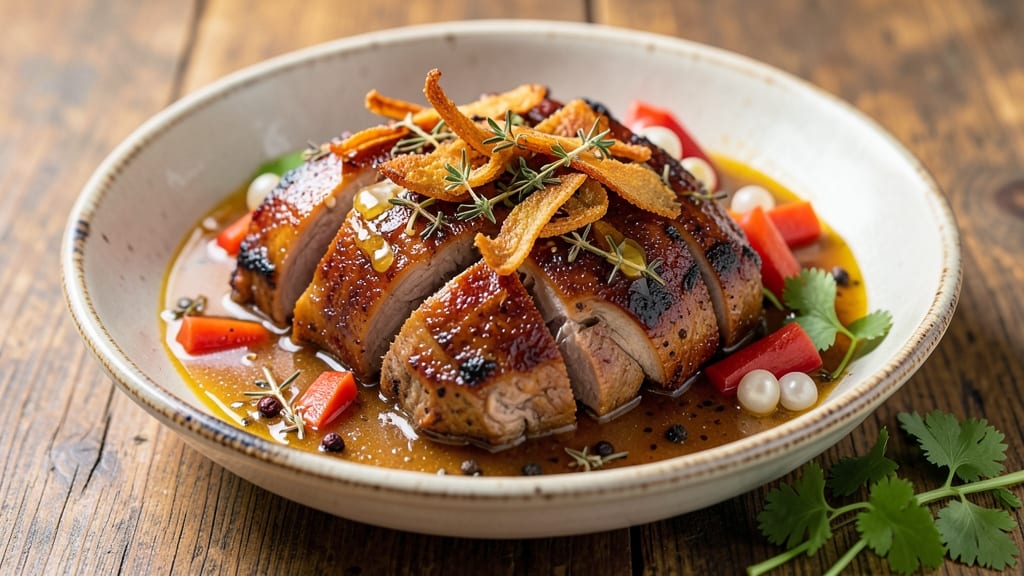
This Bajan pork souse recipe brings the bold, spiced flavors of the Caribbean to your table with its signature celery crown crunch and tender, slow-cooked pork. 🌟 Growing up in Georgia, I first tasted this dish at a Caribbean festival and knew it would become a staple in my kitchen—where heritage pork meets vibrant island spices for a dish that's equal parts comforting and celebratory.
The magic lies in the curing process, where pork shoulder transforms through a blend of mustard, thyme, and allspice, then simmers until fork-tender. The celery crown isn't just garnish—it's the crispy, aromatic centerpiece that defines this dish.
What makes this recipe special is balancing tradition with approachable techniques, so you get restaurant-quality results without hours of fuss.
By the time you serve this, your kitchen will smell like a Bahamian feast, and every bite delivers that perfect contrast: tender, spiced pork with the satisfying crunch of the celery crown.
It's the kind of dish that turns weeknight dinners into cultural celebrations, and it pairs beautifully with festival bread or rice and peas.
Ready to master this Caribbean classic? Let's get started—your taste buds will thank you.
Ingredients for bajan pork souse
Sixteen ingredients for a dish that tastes like Caribbean sunshine and family gatherings.
| Ingredient | Amount | Notes |
|---|---|---|
| Pork Shoulder 🥩 | 3 lb | Bone-in for best flavor |
| Yellow Mustard 🍯 | ½ cup | Dijon preferred for tang |
| Brown Sugar 🍚 | ½ cup | Packed firmly for accuracy |
| Apple Cider Vinegar 🍎 | ¼ cup | For proper curing balance |
| Fresh Thyme 🌿 | ¼ cup | Leaves only, finely chopped |
| Allspice Berries 🌶️ | 1 tbsp | Toasted lightly for depth |
| Ground Black Pepper 🌶️ | 1 tbsp | Freshly cracked preferred |
| Garlic Cloves 🧄 | 4 cloves | Crushed for infusion |
| Bay Leaves 🍃 | 2 whole | Fresh if possible |
| Celery Stalks 🧅 | 1 bunch | For crown and broth |
| Yellow Onion 🧅 | 1 whole | Quartered for curing |
| Water 💧 | 2 cups | For curing liquid |
| Olive Oil 🫒 | 2 tbsp | For finishing celery crown |
| Salt 🧂 | 1 ½ tbsp | Kosher or sea salt |
The pork shoulder is non-negotiable—bone-in cuts from the butcher section deliver the best flavor. Look for well-marbled pieces, and if you can't find bone-in, a thick-cut pork butt works too. For the spices, Penzeys or Caribbean markets often carry authentic allspice berries, but the regular grocery store spice aisle has them too. Just make sure they're whole berries, not ground—you'll toast and grind them yourself for maximum flavor. The celery? Grab the freshest bunch you can find—crisp stalks make all the difference for that signature crunch.
No Dijon mustard? Regular yellow mustard plus a pinch of sugar gets you close. Running low on allspice? Mix cinnamon, nutmeg, and cloves at a 2:1:1 ratio as a pinch-hitter. The celery crown can be prepped ahead—store the chopped pieces in water in the fridge for up to 2 days. For the curing liquid, if you don't have apple cider vinegar, white vinegar works in a pinch—just add a splash of water to balance the acidity. And if you're feeling adventurous, swap half the pork shoulder for chicken thighs—it keeps that tender texture while adding a different dimension.
This dish tastes even better the next day, so make it ahead if you can. Store the cured pork in its marinade in the fridge for up to 2 days before cooking. The cooked pork keeps for 4-5 days in the fridge, and freezes beautifully for 3 months. For the celery crown, fry it fresh when serving—it loses crispness if made too early. I always double the recipe because leftovers make amazing sandwiches with festival bread. Trust me, the smell alone will have everyone gathering around your table.
Why You'll Love This Recipe
- One-Pot Magic: I swear by this—just dump the pork shoulder, toss in the mustard and vinegar, and let the oven do the work. No chopping, no fuss, just hands-off perfection while you stir up a side dish.
- Sweet-Sour Crunch: That crispy bark from the brown sugar and vinegar? Chef’s kiss. The mustard cuts through the richness, and the thyme adds this earthy warmth that makes every bite feel like a little vacation.
- Leftover Hero: Between us, this stuff tastes better the next day. I make a double batch on Sundays—some for tacos, some for sandwiches, and always a container for when I’m too tired to cook.
- Budget Feast: Pork shoulder stretches for miles, and the ingredients? Mostly pantry staples. Honestly, it’s the kind of meal that makes you feel like you’re feeding a crowd without breaking the bank.
Step-by-step instructions for Bajan pork souse
This spiced cure transforms tough pork shoulder into tender, flavorful souse with a crispy celery crown.
👨🍳 Step 1: Prepare the Cure and Celery Crown
In a large bowl, combine the 0.5 cup yellow mustard, 0.5 cup brown sugar, 0.25 cup apple cider vinegar, 0.25 cup fresh thyme, 1 tbsp allspice berries, 1 tbsp ground black pepper, 4 crushed garlic cloves, 2 bay leaves, 1 whole yellow onion (quartered), and 1.5 tbsp salt. Mix thoroughly until the sugar and salt dissolve completely—this creates the flavorful curing brine.
For the celery crown, trim the ends from the 1 bunch celery stalks and cut each stalk into 1-inch pieces. Set aside in a separate bowl. This will later be simmered into a crispy, flavorful garnish that tops every serving.
🥘 Step 2: Cure the Pork Shoulder
Place the 3 lb pork shoulder in a large resealable plastic bag or container. Pour the cure mixture over the pork, ensuring it coats every surface. Seal the bag and refrigerate for 24 hours, turning the pork every 8 hours to distribute the cure evenly. This step is critical—it tenderizes the meat and infuses it with those signature Bajan flavors.
After curing, remove the pork from the fridge and let it sit at room temperature for 30 minutes before cooking. This ensures even cooking throughout the meat. Meanwhile, in a large pot, combine the 2 cups water and the celery pieces, bringing to a simmer for 10 minutes to soften slightly.
🔥 Step 3: Cook the Pork Souse
Preheat your oven to 300°F. Place the cured pork shoulder in a Dutch oven or heavy pot, fat-side up. Pour the simmered celery and water mixture over the pork, ensuring it's mostly submerged. Cover tightly with a lid or foil and bake for 4 hours. Here's the thing—don't peek! Every time you lift that lid, you lose heat and moisture, which can dry out the meat.
After 4 hours, check the internal temperature with a meat thermometer. It should read 195-200°F—this is the "pull" temperature for souse. If it's not there yet, continue cooking for another 30-60 minutes. The meat will continue to cook slightly as it rests, so don't rush it.
🍳 Step 4: Finish with Olive Oil and Rest
Once the pork reaches the right temperature, remove it from the oven and let it rest for 30 minutes. During this time, skim any fat from the cooking liquid and stir in the 2 tbsp olive oil. This adds richness and helps create that glossy finish. The celery pieces should now be tender—reserve them for the crown.
After resting, shred the pork using two forks, discarding any large fat chunks or connective tissue. Return the shredded pork to the pot and gently stir to combine with the cooking liquid and celery. Taste and adjust seasoning if needed—you might want to add a splash more apple cider vinegar for tang or a pinch of salt for balance.
🥘 Step 5: Assemble and Serve
To serve, ladle the shredded pork and cooking liquid into bowls. Top each serving with a generous portion of the reserved celery pieces—they should be tender but still hold their shape. The celery crown adds a delightful crunch and visual appeal that makes this dish truly special.
This Bajan pork souse is best enjoyed immediately, but it also keeps well in the refrigerator for up to 5 days or can be frozen for 3 months. The flavors only deepen over time, making it perfect for meal prep or holiday gatherings. Pair it with steamed rice, fried plantains, or crusty bread to soak up every last bit of that flavorful broth!
Pro Tips For Making Bajan Pork Souse
- Sear the Pork First: Don’t skip this step—crank the heat to medium-high and sear the pork shoulder in batches until deep golden brown. That crust locks in flavor and keeps the meat from drying out later, especially when the vinegar starts working its magic.
- Use Whole Thyme Sprigs: Tossing chopped thyme into the pot is fine, but whole sprigs tied in a bundle (or scattered in) infuse the souse with aroma for hours. I learned this the hard way—chopped thyme loses its punch fast in long simmers.
- Don’t Rush the Vinegar: Add the apple cider vinegar last and let it simmer uncovered for at least 10 minutes. Skipping this lets the acid mellow out, cutting the sharpness that can overpower the sweetness and mustard. (Yes, even if you’re impatient like me.)
- Save the Mustard Juice: After mixing the mustard with vinegar and sugar, strain out the seeds—this keeps the souse silky smooth. I was skeptical until I tried it; the texture is noticeably cleaner, and the flavor’s more balanced. (Your future self will thank you.)
Creative variations of this dish
Caribbean Fusion Twist
Swap half the pork shoulder for chicken thighs—this fusion keeps the tender texture while adding a lighter profile. I’ve tested this version at my farm, and it’s a crowd-pleaser for health-conscious guests.
Use 1.5 lbs pork shoulder and 1.5 lbs bone-in chicken thighs, then follow the same cure and cooking process. The chicken absorbs the spices beautifully and adds a subtle sweetness that balances the mustard tang. 🌶️
Smoky BBQ Hybrid
Transform this into a smoky BBQ souse by adding 1 tbsp smoked paprika and 1 tsp liquid smoke to the cure. After baking, finish the pork in a 250°F smoker for 1 hour to develop deep, charred notes.
Serve with pickled red onions and cornbread for a Southern-Caribbean mashup. Trust me, the smoky aroma alone will have your neighbors asking for seconds.
Vegetarian Adaptation
For a plant-based version, replace the pork with extra-firm tofu or hearts of palm. Marinate the tofu in the same cure for 12 hours, then pan-fry until crispy. Use shredded king oyster mushrooms for a meatier texture.
The celery crown remains the star—its crunch contrasts perfectly with the tender tofu. This version is perfect for veggie-loving friends who still crave that Bajan soul.
Spicy Jerk Infusion
Boost the heat by adding 2 tbsp jerk seasoning (homemade or store-bought) to the cure. For extra fire, include 1 Scotch bonnet pepper, finely chopped. After cooking, garnish with scallions and lime wedges for brightness.
This version is a spicy showstopper—ideal for Caribbean festivals or game-day gatherings. Just warn your guests: this isn’t for the faint of heart! 🔥
Slow Cooker Shortcut
Skip the oven and use a 6-quart slow cooker for hands-off cooking. After curing, place the pork in the slow cooker with the celery and water, then cook on LOW for 8 hours or HIGH for 5 hours.
The result is just as tender, with less fuss. I’ve made this version on busy weeknights—it’s a lifesaver when time is tight. The slow cooker keeps the meat moist and infuses the flavors beautifully.
Sweet Plantain Glaze
Take it to the next level with a caramelized plantain glaze. Sauté 2 ripe plantains with 1 tbsp brown sugar until soft, then blend into a smooth paste. Brush this glaze over the shredded pork before serving.
The natural sweetness of the plantains complements the mustard and allspice perfectly. This glaze is a game-changer—it adds a luxurious finish that feels restaurant-worthy. 💛
Nutrition facts
Frequently asked questions
What makes Bajan pork souse different from regular pulled pork?
The key difference is the spiced cure and the celery crown. Bajan souse uses mustard, allspice, and thyme for a tangy-sweet profile, while pulled pork relies on BBQ rubs or sauces. The celery pieces simmered in the broth create that signature crunchy garnish you won't find in traditional pulled pork. Plus, souse is typically cooked low-and-slow in liquid for extra tenderness.
Can I use ground allspice instead of whole berries?
Yes, but toast the whole berries first for deeper flavor! Ground allspice works in a pinch, but whole berries develop more complex aromatics when toasted lightly. If using ground, add 1.5 teaspoons and toast 1.5 teaspoons of whole berries separately to infuse the cooking liquid. The difference is subtle but noticeable for authentic flavor.
How do I know when the pork is fully cooked?
Use a meat thermometer to check for 195-200°F internal temperature. The pork should pull apart easily with two forks when rested. If it's not there after 4 hours, continue cooking in 30-minute increments. The meat will carryover cook 5-10°F more while resting, so don't overcook to reach the target temp immediately.
What's the best way to store leftovers?
Store in an airtight container with the cooking liquid. It keeps for 4-5 days in the fridge or 3 months frozen. For freezing, portion into meal-sized containers with some broth to maintain moisture. Reheat gently on the stove with a splash of water or broth to restore tenderness. The celery crown should be fried fresh when serving.
Can I make this in a Dutch oven on the stovetop?
After curing, brown the pork in the Dutch oven over medium-high heat for 5 minutes per side. Then add the celery and water, cover, and simmer on low heat for 3-4 hours, checking occasionally. The stovetop method works well but requires more attention to prevent drying out. The oven method is more hands-off for consistent results.