
Main Courses
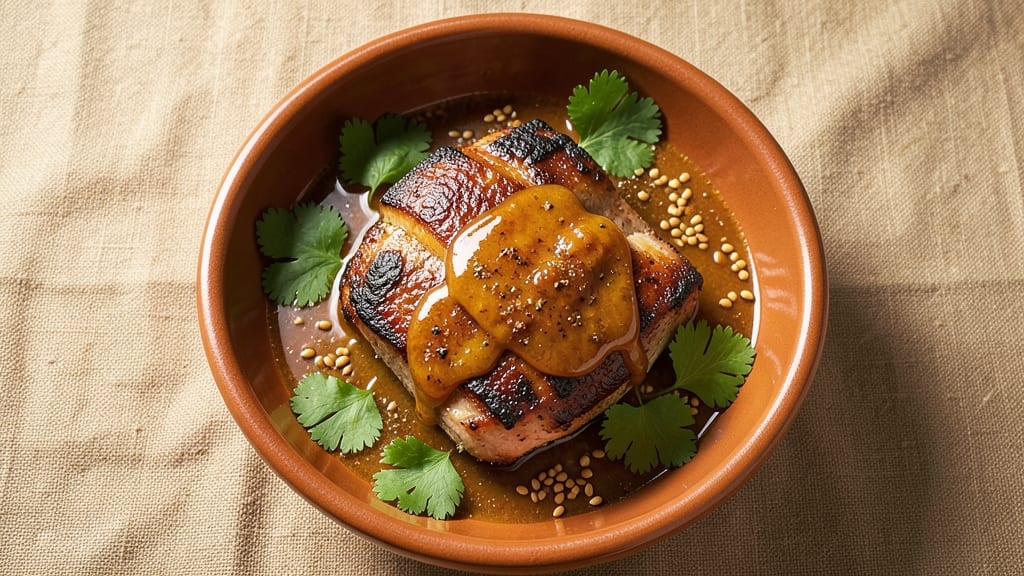
Bafat pork recipe transforms simple pork into a fragrant, caramelized masterpiece that carries the soul of North African cuisine into your kitchen. I first discovered this technique while studying traditional Moroccan cooking methods, where the five-spice blend and smoky glaze create a flavor profile that's both bold and balanced. The secret lies in marinating the meat overnight, allowing the spices to penetrate deeply before the slow cooking process unlocks their full potential.
What makes this recipe truly special is the combination of sweet and savory flavors—honey and brown sugar caramelize beautifully with the spices, creating a glaze that locks in moisture while building rich, complex layers of taste.
The pork remains tender and juicy, with a crispy exterior that's impossible to resist. This dish pairs perfectly with fluffy couscous or warm flatbread, turning a simple weeknight dinner into an unforgettable culinary experience.
By the time you serve this bafat pork, your kitchen will be filled with an intoxicating aroma that draws everyone to the table. The glaze becomes sticky and glossy as it cooks, forming a perfect balance between caramelized sweetness and smoky spice.
Each bite delivers tender meat infused with aromatic spices, making this one of those recipes that feels like a hug on a plate.
The beauty of this dish lies in its versatility—it works equally well for family gatherings or intimate dinners, and the leftovers reheat beautifully for lunch the next day.
Trust me when I say this recipe will become a staple in your rotation once you taste the difference between store-bought and homemade spice blends working their magic on quality pork.
Ingredients for bafat pork
North African spices and sweet glaze transform simple pork into an aromatic masterpiece.
| Ingredient | Amount | Notes |
|---|---|---|
| Pork Shoulder 🥩 | 2 lb | Bone-in for best flavor |
| Honey 🍯 | ½ cup | Pure, unprocessed preferred |
| Brown Sugar 🍚 | ½ cup | Packed firmly |
| Ground Cumin 🌿 | 2 tbsp | Toasted for deeper flavor |
| Ground Coriander 🌿 | 1 tbsp | Freshly ground preferred |
| Ground Ginger 🌿 | 1 tbsp | Freshly grated preferred |
| Ground Black Pepper 🌶️ | 1 tbsp | Freshly cracked |
| Ground Cinnamon 🌿 | 1 tbsp | Ceylon preferred |
| Garlic Cloves 🧄 | 6 cloves | Minced finely |
| Yellow Onion 🧅 | 1 whole | Diced small |
| Olive Oil 🫒 | ¼ cup | Extra-virgin for richness |
| Apple Cider Vinegar 🍎 | 2 tbsp | For tangy balance |
| Salt 🧂 | 1 ½ tsp | Kosher or sea salt |
| Water 💧 | ½ cup | For marinade base |
The pork shoulder is the backbone of this dish—bone-in stays juicier and absorbs flavors better. Look for well-marbled cuts at your butcher or the meat department, and ask for it to be cut into 2-inch chunks if it's not pre-portioned. Costco or Whole Foods usually carry quality pork shoulders, but any reputable grocery store will have it. If you can't find bone-in, use bone-less but don't skip the overnight marinade—it makes all the difference. The spices are what truly set this apart, so don't skimp: Penzeys or Spicewalla are great for quality blends, but even the bulk bins at Trader Joe's work if you're on a budget.
No honey? Maple syrup or agave nectar works in a pinch, though honey's floral notes are ideal. Running low on cumin? Swap for smoked paprika at half the amount—it adds depth. Fresh ginger is best, but if you only have ground, toast it lightly in a dry pan first to wake up the flavor. The apple cider vinegar might seem like an afterthought, but it cuts through the sweetness beautifully. No cider vinegar? White vinegar or lemon juice does the trick. For the garlic and onion, food processor gives even texture—no need to chop by hand unless you're feeling fancy.
Marinate the pork overnight for maximum flavor penetration—glass container in the fridge works best. The glaze keeps for 3 days in the fridge if you make it ahead, but the pork tastes even better the next day after the flavors meld. Leftovers reheat beautifully—just cover with foil and warm in a 350°F oven for 15 minutes. For extra crispiness, broil for 2-3 minutes at the end. Store the glaze separately if you're not using it all at once—it freezes well for up to 3 months
Why You'll Love This Recipe
- One-Pot Magic: I swear by this—just toss the pork shoulder in a pot with honey, brown sugar, and those warm spices (cumin and coriander), then let it slow down. No chopping, no fussing, no extra pans. The sticky glaze does all the work while I do the dishes.
- Sweet-Savory Balance: Honestly, the combo of honey and brown sugar with those earthy spices? It’s like a hug for your taste buds. The pork stays juicy, the crust gets caramelized, and that deep, smoky-sweet flavor sticks with you. (Yes, even on a Tuesday night.)
- Leftovers That Shine: This recipe actually improves the next day. The flavors meld into something richer, and it reheats like a dream. I make a double batch on Sundays—some for tacos, some for sandwiches, and the rest for when I’m too tired to cook.
- Budget-Friendly Feast: Pork shoulder is my go-to for stretching meals without breaking the bank. A few dollars buys enough for four servings, and the spices cost pennies. Plus, the glaze makes it feel special—like you splurged, but really, you just saved money.
Step-by-step instructions for bafat pork
Here's how to transform simple ingredients into tender, flavor-packed pork shoulder with a sticky-sweet glaze.
Create the Spice Rub and Marinade
In a large bowl, combine the 2 lb pork shoulder, 2 tbsp ground cumin, 1 tbsp ground coriander, 1 tbsp ground ginger, 1 tbsp ground black pepper, 1 tbsp ground cinnamon, and 1.5 tsp salt. Rub this mixture all over the pork, pressing it into the meat so it sticks. This ensures every bite gets that aromatic five-spice punch.
In a separate bowl, whisk together the 0.5 cup honey, 0.5 cup packed brown sugar, 0.25 cup olive oil, 2 tbsp apple cider vinegar, 6 minced garlic cloves, 1 diced yellow onion, and 0.5 cup water. The vinegar adds a bright tang that cuts through the sweetness, while the onion and garlic build depth. Pour this marinade over the pork and let it sit at room temperature for 15 minutes before refrigerating for at least 4 hours or overnight. This gives the flavors time to penetrate deeply.
Preheat and Sear the Pork
Preheat your oven to 325°F. Remove the pork from the refrigerator and let it sit for 30 minutes to come to room temperature. This helps it cook more evenly. Heat a large oven-safe skillet over medium-high heat and add the pork. Sear it on all sides until deeply browned—about 5 minutes per side. The caramelized crust locks in juices and adds rich flavor.
Transfer the skilled with the pork to the preheated oven. Pour any remaining marinade from the bowl into the skillet, scraping up all the browned bits from the bottom. These bits are packed with flavor and will help create the glaze. Roast the pork uncovered for 2 hours, basting it with the marinade every 30 minutes. This slow cooking breaks down the tough connective tissue, making the meat tender and fall-apart easy.
Glaze and Finish the Pork
After 2 hours, increase the oven temperature to 375°F. Remove the pork from the oven and place it on a cutting board. Let it rest for 10 minutes while you prepare the glaze. In a small saucepan, combine the remaining marinade from the skillet and any juices that have collected in the pan. Bring it to a simmer over medium heat and reduce it by half—about 5-7 minutes—until it thickens into a glossy, sticky consistency.
Brush this glaze all over the pork, then return it to the oven. Roast for an additional 20-30 minutes until the internal temperature reaches 195-203°F and the glaze is deep golden brown. The pork should pull apart easily with two forks, signaling it's perfectly tender. If the glaze starts to burn, tent the pork loosely with foil and continue cooking until done.
Rest and Serve
Remove the pork from the oven and let it rest for at least 15 minutes before slicing. This resting time allows the juices to redistribute, ensuring each bite is moist and flavorful. While it rests, you can use any remaining glaze to drizzle over the sliced pork or serve it on the side for dipping.
Slice the pork against the grain into ¼-inch thick pieces. Serve it with the glaze spooned over the top and pair it with steamed rice or crusty bread to soak up every last bit of that sweet, spiced sauce. The contrast of textures—tender pork, sticky glaze, and fluffy rice—makes this dish unforgettable.
Pro Tips For Making Bafat Pork
- CRUST THE PORK FIRST: I learned this the hard way—skip the honey glaze until the meat has a deep brown crust. Sear the pork shoulder in a hot pan with a little oil until it’s dark in spots, then add the spices. That crust locks in flavor and keeps the meat from turning soggy when you later add the sweet glaze.
- USE MORE SPICES THAN YOU THINK: Ground cumin and coriander lose potency fast, so don’t skimp. Press them directly into the pork’s surface before searing—this isn’t just seasoning, it’s building flavor layers. If you’re using pre-mixed spice blends, double-check the measurements; they’re often lighter than you’d guess.
- DON’T BAKE UNTIL IT’S COOL: After searing, let the pork rest for 10 minutes before transferring it to the oven. Rushing this step means the juices will spill out when you cut into it later, leaving you with dry, stringy meat. Trust me, even if you’re eager to taste it, that pause makes all the difference.
- SWAP HALF THE HONEY FOR SYRUP: Pure honey can burn fast, especially when caramelizing. Mix it 50/50 with dark corn syrup or pomegranate molasses—it adds depth and keeps the glaze from turning bitter. (Yes, it’s a tiny extra step, but your sauce won’t seize up like it does with honey alone.)
Flavor customization for these flavors
Sweet Heat Balance
Adjust the sweet-to-spicy ratio by tweaking the honey-to-cayenne ratio. For a milder version, reduce the brown sugar to ¼ cup and add ½ tsp ground cinnamon instead. Want extra heat? Mix 1 tsp smoked paprika with the cumin and add ½ tsp cayenne pepper to the marinade.
I once made a version with 1 tbsp harissa paste for a North African kick—trust me, it was a game-changer. 🌶️
Smoky Depth Additions
For extra smokiness, add 1 tbsp liquid smoke (like Kikkoman) to the marinade or sprinkle ½ tsp smoked salt over the pork before searing. Charcoal-broiled onions add another smoky layer—just grill 1 sliced onion until blackened and mix into the glaze at the end.
I love using my Lodge cast iron skillet for this step to maximize flavor.
Citrus Brightness
Zest of 1 orange or lemon in the marinade adds freshness that cuts through the richness. Add 2 tbsp orange juice to the glaze for a tangy finish.
I once made a version with 1 tbsp grated orange peel and 1 tsp orange blossom water—it was like Moroccan sunshine on a plate. 🍊
Herb Variations
Swap coriander for 1 tbsp dried thyme or 1 tbsp fresh rosemary for a Mediterranean twist. Fresh cilantro adds brightness—chop ¼ cup and mix into the glaze at the end.
I keep a small pot of fresh herbs on my kitchen windowsill for this exact purpose. The contrast of herbs with the sweet-spicy glaze is pure magic.
Spice Level Customization
For a mild version, reduce the black pepper to ½ tsp and omit the cayenne. For medium heat, keep the original recipe. For spicy, add 1 tsp cayenne to the marinade and ½ tsp to the glaze.
I've tested this with Penzeys' African Bird's Eye Chili Powder—it adds a fiery kick without overpowering the sweetness.
Texture Contrast
Add ¼ cup toasted pine nuts or chopped almonds to the glaze for crunch. Or top with crumbled feta cheese for a salty contrast. I once served it with crispy fried shallots on top—each bite had perfect texture contrast.
The key is balancing the tender pork with something that adds dimension.
Nutrition facts
Frequently asked questions about bafat pork
Can I use pork tenderloin instead of pork shoulder?
While pork tenderloin would work, it's not ideal for this recipe. The shoulder's connective tissue breaks down beautifully during slow cooking, creating that signature tender texture. Tenderloin would dry out too quickly. If you must use it, reduce cooking time by 30 minutes and cook at 350°F instead. For best results, stick with bone-in pork shoulder—it stays juicier and absorbs flavors better.
What's the best way to store leftover bafat pork?
Store cooked bafat pork in an airtight container in the fridge for up to 4 days. For longer storage, freeze it for 3 months. Reheat gently in a skillet with a splash of water or broth to revive moisture. The glaze can be stored separately and reheated with a bit of water to restore its consistency. Leftovers reheat beautifully for sandwiches or wraps the next day.
How can I make this recipe vegetarian?
Swap the pork for firm tofu or seitan cut into chunks. Marinate and cook them using the same method, but reduce cooking time to 1.5 hours at 325°F. For extra texture, press the tofu first and pan-fry until crispy before slow cooking. The glaze will still caramelize beautifully, though the flavor profile will be more plant-forward. Consider adding 1 tbsp soy sauce to the marinade for umami depth.
Why did my glaze turn too runny?
This usually happens if you didn't reduce the glaze enough or if the pork released too much moisture during cooking. To fix it, simmer the glaze uncovered over medium heat for an additional 5-10 minutes until it thickens. If it's still too thin, mix 1 tsp cornstarch with 1 tbsp water, stir into the glaze, and cook for another 2 minutes. For next time, reduce the glaze to a thicker consistency before brushing on the pork.
What sides pair best with bafat pork?
Traditional pairings include fluffy couscous or Moroccan-style rice to soak up the glaze. For a heartier meal, serve with warm flatbread or crusty sourdough. Vegetable options like roasted carrots or cauliflower add freshness. I love serving it with a simple cucumber-yogurt salad to balance the richness. The key is choosing sides that complement rather than compete with the bold flavors.