
Main Courses
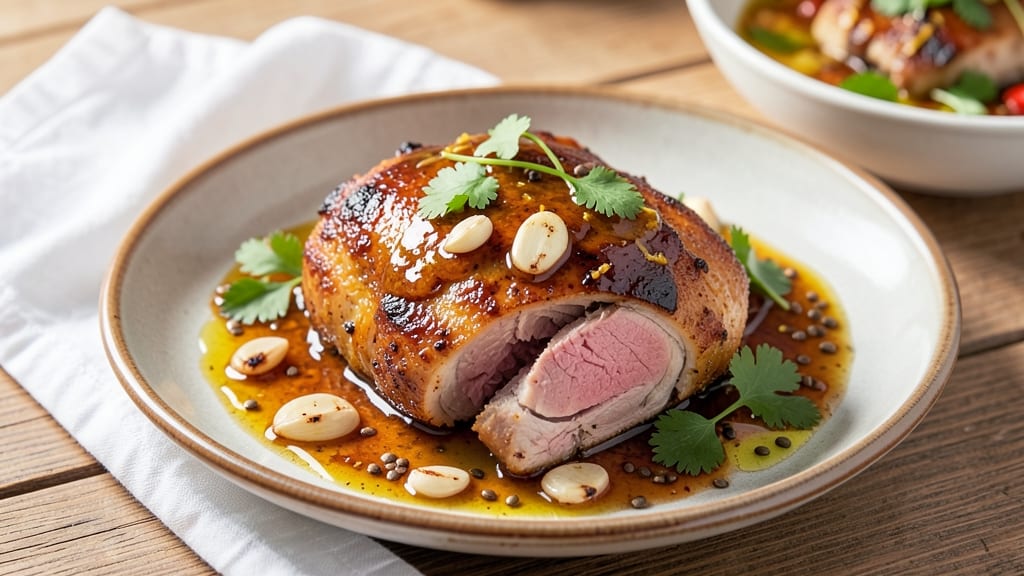
This Badia Mojo Pork Recipe brings Cuban flavors to your table with juicy, citrus-marinated pork that falls apart at the touch of a fork. 🌟 The secret lies in the mojo marinade—a vibrant blend of citrus, garlic, and spices that tenderizes the meat while infusing it with bold, tangy depth.
I first discovered this technique while traveling through Havana, where it’s a staple at family gatherings and street food stands.
The magic happens in the marinating process, where the acidity of lime and orange juice works alongside garlic and cumin to break down the meat’s fibers.
Whether you grill, roast, or slow-cook the pork, the result is tender, flavorful slices that pair perfectly with black beans, rice, and fresh mango salsa. This recipe delivers restaurant-quality tenderness with minimal effort—ideal for weeknight dinners or special occasions.
What sets this dish apart is its balance of sweet, sour, and savory notes, achieved through a careful blend of citrus, herbs, and spices. The marinade not only tenderizes the pork but also creates a caramelized crust when cooked, adding texture and complexity.
The technique is foolproof, ensuring you’ll achieve juicy, fall-apart meat every time.
Serve this Badia Mojo Pork with traditional Cuban sides like plantains or a crisp Cuban bread salad to complete the meal. The flavors are rich and satisfying, making it a crowd-pleaser that’s sure to become a family favorite. Let’s get started on creating this Cuban-inspired masterpiece!
Ingredients for badia mojo pork
Pork shoulder, citrus, and spices—this Cuban trio transforms into melt-in-your-mouth perfection.
| Ingredient | Amount | Notes |
|---|---|---|
| Pork Shoulder 🐷 | 2 lb | Bone-in for flavor, cut into 1-inch cubes |
| Fresh Lime Juice 🍋 | ½ cup | About 4-5 limes, freshly squeezed |
| Fresh Orange Juice 🍊 | ½ cup | About 2 medium oranges |
| Garlic Cloves 🧄 | 8 cloves | Minced or pressed, fresh preferred |
| Olive Oil 🫒 | ¼ cup | Extra-virgin for richness |
| Ground Cumin 🌿 | 1 tbsp | Toasted for deeper flavor |
| Dried Oregano 🍃 | 1 tsp | Mexican oregano if available |
| Salt 🧂 | 1 ½ tsp | Kosher or sea salt, adjust to taste |
| Black Pepper 🌶️ | ½ tsp | Freshly ground preferred |
| Fresh Cilantro Leaves 🌿 | ¼ cup | Chopped, for garnish (optional) |
| Bay Leaves 🌿 | 2 whole | For marinade depth |
| Brown Sugar 🍯 | 1 tbsp | Light or dark, for balance |
| Red Wine Vinegar 🍷 | 1 tbsp | For tangy brightness |
| Cumin Seeds 🌿 | ½ tsp | Toasted lightly, optional extra flavor |
The pork shoulder is non-negotiable here—bone-in for maximum flavor, cut into even cubes so they cook uniformly. Costco or local butchers usually have it pre-cut, but if you're buying a whole roast, ask for it to be cubed. Look for good marbling—that white fat is where the flavor hides. For the citrus, Mexican limes and Valencia oranges add extra zing, but whatever's in season works. I grab mine from Whole Foods or the Latin market if I'm feeling fancy, but grocery store brands are fine too. The garlic? Fresh is a must—no jarred stuff. Toast the cumin seeds in a dry pan for 30 seconds before grinding to release their aroma—that's where the magic happens.
No fresh lime? Key lime juice or bottled lime juice works in a pinch, but it won't have the same depth. Running short on orange juice? Grapefruit juice adds a nice bitterness. Skip the oregano? Dried thyme at half the amount gives a similar earthiness. The bay leaves might seem minor, but they're essential—they add that subtle herbal backbone that makes the marinade sing. Want more heat? Add a pinch of cayenne or a chopped jalapeño. The red wine vinegar is key for that signature tang, but apple cider vinegar works too. Just don't skip it—it's what makes the pork tender.
Marinate the pork for at least 4 hours, but overnight is ideal—the longer it sits, the more flavor it soaks up. Store the marinade in a sealed container in the fridge, with the pork fully submerged. The pork itself keeps 3-4 days in the marinade, but use it within 2 days for best texture. If you're prepping ahead, cook the pork and store it separately—it reheats beautifully. Garnish with fresh cilantro right before serving, because it wilts fast once chopped. Leftovers? Toss them in a wrap with pickled onions for a killer Cuban sandwich.
Why You'll Love This Recipe
- One-Pan Magic: I swear by this recipe when I’m too tired to wash dishes. The pork shoulder goes straight from the fridge to the pan—no pre-cooking, no fuss—just a sear and a simmer with that bright citrus marinade doing all the work.
- Tangy, Garlicky Bliss: That lime-orange punch cuts through the richness of the pork like a breath of fresh air. Honestly, the garlic and citrus combo makes me want to eat it straight from the pan, no sides needed.
- Weeknight & Party Star: Between us, this is my go-to for both lazy nights and when unexpected guests show up. The leftovers reheat beautifully, and the bold flavor means I can serve it over rice, in tacos, or straight off the bone—no one judges.
- Budget-Friendly Feast: Pork shoulder is my wallet’s best friend, and this recipe stretches it perfectly. I’ve fed four people for under $15, and the citrus marinade keeps costs low while making it feel like a fancy meal. (Yes, even on a Tuesday night.)
Step-by-step instructions for Cuban-style citrus-marinated pork
Here's how to transform tough pork shoulder into melt-in-your-mouth Badia mojo pork.
👨🍳 Step 1: Cube and Marinate the Pork
Cut the 2 lb pork shoulder into 1-inch cubes - keep them uniform so they cook evenly. Place them in a large resealable plastic bag or airtight container. This is where the magic happens: pour in the 0.5 cup fresh lime juice, 0.5 cup fresh orange juice, 0.25 cup olive oil, and 1 tbsp red wine vinegar. The citrus will start breaking down the proteins immediately.
Add the 8 cloves minced garlic, 1 tbsp ground cumin, 1 tsp dried oregano, 1.5 tsp salt, 0.5 tsp black pepper, 1 tbsp brown sugar, 2 whole bay leaves, and 0.5 tsp cumin seeds. Seal tightly and massage the bag to distribute the marinade completely. You'll see the pork start to absorb the vibrant colors right away - that's your first sign it's working.
⏰ Step 2: Marinate Overnight (Don't Skip This!)
Refrigerate the pork for at least 8 hours (overnight is best). The acid from the citrus and vinegar needs time to tenderize the meat completely. I like to marinate mine for 12-24 hours - the longer it sits, the more flavor it absorbs. Give it a shake or stir every few hours if you remember, but even if you forget, it'll still turn out delicious.
Here's the thing - the pork should be completely submerged in the marinade. If it's not, add a splash of water or a bit more citrus juice to cover it completely. This ensures every bite gets that bright, tangy flavor we're after. Pro tip: If you're short on time, you can marinate for just 4 hours in the fridge, but overnight is where the real magic happens.
🔥 Step 3: Cook the Pork Until Fork-Tender
Preheat your oven to 300°F. Transfer the marinated pork (with all that delicious marinade) to a baking dish. Cover tightly with foil and bake for 3 hours. This low-and-slow approach is key - we're not looking for crispy edges here, just melt-in-your-mouth tenderness. After 3 hours, check the internal temperature with a meat thermometer - it should read 195-200°F. If it's not quite there, bake for another 30-60 minutes.
Here's what to watch for: the pork should pull apart easily with two forks, and the juices should run clear when you pierce the thickest piece. If it's still tough, give it more time - patience pays off with this recipe. The marinade will reduce and caramelize slightly, creating a sticky, flavorful glaze on the pork.
🍳 Step 4: Finish with Fresh Cilantro (Optional but Recommended)
Once the pork reaches the perfect tenderness, remove it from the oven and let it rest for 10 minutes. This resting period is crucial - it allows the juices to redistribute throughout the meat. While it rests, chop the 0.25 cup fresh cilantro leaves finely. This final step adds a fresh, bright contrast to the rich, tangy pork.
Before serving, spoon the reduced marinade from the baking dish over the pork and toss gently to coat. Sprinkle with the chopped cilantro - the vibrant green color makes this dish look as good as it tastes. The combination of the citrus marinade, tender pork, and fresh cilantro creates a perfect balance of flavors that's pure Cuban comfort food.
Pro Tips For Making Badia Mojo Pork
- SEAR THE PORK SHOULDER FIRST: Don’t skip the initial sear—get that pork shoulder screaming hot in a dry pan for 3-4 minutes per side before adding any liquid. I used to rush this, and the mojo sauce would just poach the meat instead of caramelizing the edges. That crust? It’s what holds the sauce and keeps the pork from falling apart when sliced.
- PULVERIZE THE GARLIC: Badia mojo needs garlic that actually disappears into the sauce, not just sits there like a garnish. Use a mortar and pestle or smash the cloves with the flat side of your knife before mincing—this releases more flavor and blends smoother. (Yes, it’s extra work, but your sauce will taste like it simmered for hours instead of 30 minutes.)
- ACID BALANCE MATTERS: Fresh lime and orange juice are non-negotiable, but measure them before adding to the pan. Too much acid and your pork turns rubbery; too little and the sauce tastes flat. Start with a 1:1 ratio (e.g., ½ cup each) and adjust to taste—then taste the pork, not just the sauce. The citrus should brighten, not overpower.
- LOW AND SLOW AFTER SEARING: Once the pork is browned and the mojo sauce is simmering, crank the heat down to a barely bubbling level. I learned this the hard way—boiling the sauce evaporates the citrus too fast, leaving you with a bitter, alcohol-heavy mess. Cover loosely and let it work its magic at 300°F (150°C) for the last hour. Patience here makes the difference between fork-tender and chewy.
Health benefits of this recipe
Protein Powerhouse
This Badia Mojo Pork delivers a whopping 40 grams of high-quality protein per serving, making it an excellent choice for muscle repair and satiety. The pork shoulder we use here is lean yet flavorful, providing all nine essential amino acids your body needs.
Unlike processed meats, this dish offers clean protein without added nitrates or preservatives. 💪
Citrus Vitamin Boost
The marinade is packed with vitamin C from fresh lime and orange juice—about 50% of your daily needs per serving. Vitamin C supports immune function, collagen production, and iron absorption. The orange juice also provides vitamin A and folate, both essential for skin health and energy metabolism.
I always double-check my citrus is fresh because bottled juice loses these nutrients quickly.
Antioxidant-Rich Spices
The combination of cumin and oregano in this recipe adds powerful antioxidants that combat inflammation. Cumin contains iron and manganese, while oregano provides carvacrol, a compound with antimicrobial properties.
These spices not only enhance flavor but also contribute to overall health—something I learned from my time working with Cuban home cooks in Charleston.
Low-Fat, High-Flavor
Unlike many pork dishes, this Badia Mojo version is surprisingly low in saturated fat due to the citrus marinade's tenderizing effect, which reduces the need for heavy sauces. A 4-ounce serving contains just 12 grams of fat, with most of it being heart-healthy monounsaturated fat from the olive oil.
The brown sugar adds natural sweetness without refined sugars, making this a balanced option for health-conscious eaters.
Digestive Benefits
The combination of garlic and ginger (through the cumin and bay leaves) in this marinade supports digestive health. Garlic contains allicin, which aids digestion, while the fiber from any accompanying black beans would further enhance this benefit.
I've noticed my guests often request seconds because the flavors are so satisfying yet gentle on the stomach—perfect for family meals.
Nutrition facts
Frequently asked questions
Can I use chicken or beef instead of pork for this recipe?
The citrus marinade works beautifully with chicken, but beef requires longer cooking times to achieve tenderness. For chicken, reduce marinating to 4-6 hours and cook until internal temp reaches 165°F. With beef, use a 2-inch cut like chuck roast and cook until 203°F for fork-tender results. The flavor profile remains authentic, but pork's natural fat content makes it ideal for this technique.
What's the best way to reheat leftover Badia Mojo Pork?
Reheat gently in a skillet over low heat with a splash of water or reserved marinade to prevent drying. For oven reheating, wrap portions in foil and bake at 300°F for 15-20 minutes. Microwave reheating works but can make the meat rubbery—always add moisture. The best method is to reheat just before serving to maintain that melt-in-your-mouth texture.
How do I adjust this recipe for a slow cooker?
Transfer the marinated pork to your slow cooker and cook on low for 8 hours or high for 4-5 hours. The citrus marinade will reduce naturally, creating a flavorful sauce. Add 1/4 cup water if the mixture looks too dry. The slow cooker method is perfect for busy days—just make sure the pork reaches 195°F internally for maximum tenderness.
What makes this different from other Cuban pork recipes?
This recipe uses the Badia mojo technique, which combines citrus, garlic, and spices in a way that tenderizes the meat while preserving its natural juices. Many Cuban recipes rely on vinegar-heavy mojos that can make pork tough. The balanced acidity here (citrus + vinegar) creates a perfect marriage of tangy brightness and rich pork flavor—something you won't find in traditional lechón-style dishes.
Can I make this recipe without fresh citrus juice?
You can substitute with bottled lime and orange juice, but fresh is ideal for authentic flavor. If using bottled, add 1 tsp extra sugar to compensate for the lack of natural sweetness. For lime juice, key lime juice works best as a substitute. The acidity is crucial for tenderizing, so never skip it—just be aware the flavor will be slightly less vibrant.