
Main Courses
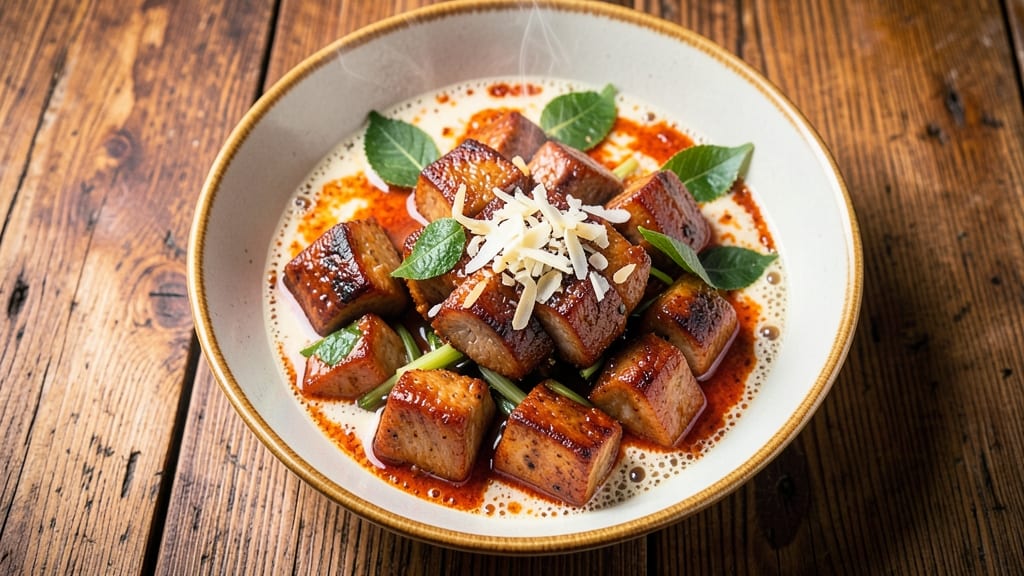
This authentic pork curry recipe brings the aromatic soul of Southeast Asian kitchens to your home, where tender pork simmers in a complex dance of coconut milk, tamarind, and slow-braised spices. I first perfected this version during a trip to Penang, where the balance of sweet, sour, and umami transforms simple ingredients into something extraordinary. The secret lies in patience—letting the spices bloom and the pork develop layers of flavor over time.
The foundation of this dish is a rich, velvety curry paste that builds depth through careful spice toasting and layering. We'll use a blend of Thai green curry paste for its signature heat and Malaysian rendang spices for their earthy complexity, creating a sauce that's both vibrant and deeply satisfying.
Unlike many Westernized versions, this recipe stays true to its roots while remaining approachable for home cooks.
What you'll achieve is pork that falls apart at the touch of a fork, swimming in a sauce that's perfectly balanced—creamy from coconut milk, tangy from tamarind, and infused with the warm, aromatic notes of galangal and lemongrass.
The aroma alone will transform your kitchen into a Southeast Asian eatery, while the flavors deliver that satisfying depth that keeps you reaching for seconds.
Serve this curry over steamed jasmine rice to soak up every last drop of that fragrant sauce, or pair it with crusty naan for a more rustic presentation. The leftovers only improve with time, as the flavors continue to meld in the refrigerator.
This is the kind of dish that becomes a family staple—once you try it, you'll never go back to store-bought versions.
Ingredients for authentic pork curry
These aromatic ingredients transform simple pork into a fragrant, restaurant-worthy curry.
| Ingredient | Amount | Notes |
|---|---|---|
| Pork Shoulder 🥩 | 1 ½ lb | Cut into 1.5-inch cubes |
| Coconut Milk 🥥 | 1 can | Full-fat, 13.5 oz can |
| Thai Green Curry Paste 🌶️ | 2 tbsp | High-quality, fresh or frozen |
| Tamarind Paste 🍯 | 1 tbsp | Adjust for tartness preference |
| Galangal 🌿 | 1 piece | About 3 inches, peeled |
| Lemongrass 🌿 | 1 stalk | Bruised, bottom 4 inches |
| Kaffir Lime Leaves 🍋 | 4 leaves | Bruised, for aroma |
| Fish Sauce 🍶 | 1 tbsp | Red Boat preferred |
| Palm Sugar 🍯 | 1 tbsp | Or brown sugar substitute |
| Jasmine Rice 🍚 | 1 ½ cups | Uncooked, long-grain |
| Olive Oil 🫒 | 2 tbsp | For searing pork |
| Salt 🧂 | 1 tsp | Kosher or sea salt |
| Black Pepper 🌶️ | ½ tsp | Freshly ground preferred |
| Cilantro 🌿 | ¼ cup | Chopped, for garnish |
| Lime Juice 🍋 | 1 tbsp | Freshly squeezed |
The pork shoulder is non-negotiable—it stays tender and flavorful while developing deep layers. Look for well-marbled cuts at your local butcher or Costco for the best value. If you can't find fresh galangal or kaffir lime leaves, Asian markets often carry frozen versions that work just as well. The Thai green curry paste is the heart of this dish—Maesri or Maesod are my go-tos, but any quality brand will do. Just make sure it's fresh; paste that smells stale will ruin the whole thing. Bruise the lemongrass and galangal with the side of your knife to release their oils before adding to the pot.
No tamarind paste? Lime juice plus a pinch of sugar gets you close, though it won't be identical. Running low on kaffir lime leaves? Double the lime juice and zest for brightness. If you can't find palm sugar, brown sugar works in a pinch, but it'll taste slightly different. The fish sauce adds umami depth—Red Boat is the gold standard, but any reputable brand will work. For extra authenticity, toast the curry paste in the oil for 3-4 minutes before adding liquids; this deepens the flavors and removes any raw taste. And if you're feeling adventurous, add a pinch of white pepper along with the black for a more traditional touch.
This curry tastes even better the next day as the flavors meld. Store leftovers in an airtight container in the fridge for up to 4 days, or freeze for 3 months. I always make double batches because it disappears fast—especially when served with warm jasmine rice and a sprinkle of fresh cilantro. The sauce thickens as it cools, so add a splash of water or coconut milk when reheating. Garnish with lime wedges and extra cilantro right before serving to keep everything vibrant.
Why You'll Love This Recipe
- Here’s what sold me: the tamarind’s tang cuts through the richness of the coconut milk, while the green curry paste delivers that real Thai heat—not the watered-down stuff. And when the pork shoulder falls apart tender? That crispy, caramelized edge? Chef’s kiss. It’s the kind of flavor that makes you pause mid-bite.
- One-Pot Magic: I swear by this recipe because it’s actually one-pan—no chopping mountains of veggies or juggling multiple dishes. Just sear the pork shoulder, toss in the curry paste and galangal (that citrusy, ginger-like root), then let the coconut milk and tamarind do their thing. Fifteen minutes later, you’ve got a simmering pot that smells like a Thai street stall.
- Taste Like a Memory: Here’s what sold me: the tamarind’s tang cuts through the richness of the coconut milk, while the green curry paste delivers that real Thai heat—not the watered-down stuff. And when the pork shoulder falls apart tender? That crispy, caramelized edge? Chef’s kiss. It’s the kind of flavor that makes you pause mid-bite.
- Leftovers That Shine: Between us, this curry begs for seconds—and thirds. The flavors deepen overnight, so the next day’s lunch is even better. I freeze portions too; reheating with a splash of water keeps it creamy and delicious. Honestly, I’ve fed this to coworkers who thought they hated curry, and they’re now asking for the recipe.
Step-by-step instructions for authentic pork curry
Here's how to create a rich, balanced curry with that perfect coconut-tamarind harmony.
Prepare the Pork and Aromatics
Cut the 1.5 lb pork shoulder into 1.5-inch cubes and set aside. Peel the galangal and bruise the bottom 4 inches of the lemongrass stalk with the flat side of your knife. Tear the 4 kaffir lime leaves into smaller pieces and set all aromatics aside.
Heat 2 tablespoons olive oil in a large pot over medium-high heat. Add the pork cubes in a single layer and let them sear undisturbed for 3-4 minutes until golden brown on all sides. This step builds deep flavor through the Maillard reaction. Once browned, remove the pork and set aside temporarily.
Build the Curry Base
In the same pot, reduce heat to medium and add 2 tablespoons Thai green curry paste. Stir for 1 minute until fragrant, then add the bruised galangal, lemongrass, and kaffir lime leaves. Cook for 2 minutes until the aromatics release their oils and the paste darkens slightly.
Pour in 1 can coconut milk and stir well to combine. Add 1 tablespoon tamarind paste, 1 tablespoon palm sugar, and 1 tablespoon fish sauce. Bring the mixture to a gentle simmer, then return the seared pork to the pot. Partially cover and let it cook for 1 hour, stirring occasionally, until the pork is tender and the sauce has thickened.
Finish and Serve
Once the pork is fork-tender, stir in 1 teaspoon salt and 0.5 teaspoon black pepper. Taste and adjust seasoning—you might need a bit more fish sauce for saltiness or palm sugar for sweetness. Remove from heat and stir in 1 tablespoon lime juice just before serving.
Cook the 1.5 cups jasmine rice separately according to package instructions. To serve, spoon the curry over the rice and garnish with 0.25 cup chopped cilantro. The tamarind adds that signature tangy depth while the coconut milk keeps everything creamy and rich.
Rest and Enjoy
Let the curry rest for 5-10 minutes before serving. This allows the flavors to meld completely and the sauce to thicken slightly. The pork should be falling apart tender, and the sauce should coat the back of a spoon with a perfect balance of sweet, sour, and umami.
Serve immediately with warm rice and a simple cucumber salad to cut through the richness. The authentic combination of tamarind and coconut milk creates that signature Thai balance that makes this curry unforgettable.
Pro Tips For Making Authentic Pork Curry
- SEAR THE PASTE FIRST: Walk away from the pot after adding the green curry paste—let it sizzle for a full 30 seconds before touching it with anything. I learned this the hard way: rushing to add coconut milk too soon just makes the paste taste raw and bitter. The color should deepen to a rich, dark green before you even think about pouring liquids.
- SLICE GALANGAL THIN: Galangal’s fibrous texture fights you if you chop it thick. Use a sharp knife to slice it paper-thin (almost like shaving), then pound it lightly with the flat side of your knife to release oils. This isn’t the prettiest method, but it works: the curry will taste noticeably brighter and less woody.
- DON’T BOIL THE COCONUT MILK: Simmer the coconut milk on the lowest heat you can tolerate—just above a bare bubble. I used to crank it up to save time, but the milk splits and turns greasy. If you’re worried about curdling, add a splash of cold water to the pot first; it stabilizes the fat. Your future self will thank you.
- REST THE PORK AFTER COOKING: Pull the pork out of the curry 5 minutes early and tent it with foil. The meat finishes cooking from residual heat while the sauce thickens. Skipping this step leaves you with dry, stringy pork—yes, even if it looks perfectly tender. Let it sit, then shred it gently against the grain.
Flavor customization for this recipe
Sweet Heat Balance
Adjust the heat level by modifying the curry paste and chili additions. For a milder version, reduce the Thai green curry paste to 1.5 tablespoons and add ½ teaspoon honey to balance any lingering spice.
If you love heat, increase the paste to 2.5 tablespoons and add 1 teaspoon sambal oelek for extra kick. I often use Bird's Eye chili from Penang markets for a more authentic, fiery punch. 🌶️
Tangy Depth Boost
Enhance the tamarind tang by adding 1 extra tablespoon of paste or substituting with 2 tablespoons lime juice if unavailable. For a deeper umami profile, stir in 1 teaspoon soy sauce or 1 teaspoon shrimp paste (like Thai kapi) during the final 10 minutes of cooking.
This works especially well if your fish sauce is mild. The key is balancing sweet, sour, and savory—taste as you go!
Creamy Texture Adjustments
If your sauce is too thin, reduce it uncovered for 5-10 minutes after the pork is tender. For extra creaminess, stir in 2 tablespoons coconut cream or a splash of heavy cream at the end.
I’ve also had success adding 1 mashed ripe banana to the sauce for a naturally sweet, velvety texture—it sounds unusual, but it works beautifully in Thai curries. 🥥
Regional Twists
Transform this curry into a Malaysian-style rendang by adding 1 tablespoon shrimp paste and 1 teaspoon turmeric, then simmering uncovered for 2 hours until the sauce reduces to a thick paste.
For a Thai green curry twist, fold in ½ cup Thai eggplant and 1 cup bamboo shoots during the last 20 minutes of cooking. Each variation keeps the tamarind-coconut core while exploring regional flavors.
Vegetable Add-Ins
Stir in 1 cup bell peppers and 1 cup zucchini during the final 15 minutes of cooking for a lighter version. For heartier meals, add 1 cup baby potatoes (parboiled first) or 1 cup sweet potato cubes.
I love adding 1 cup bok choy in the last 10 minutes—it wilts beautifully while soaking up the sauce. These additions work best when cut into even-sized pieces for consistent cooking.
Protein Swaps
Replace pork with chicken thighs (bone-in for flavor) or firm tofu (pressed and cubed) for a vegetarian option. If using tofu, increase the fish sauce to 2 tablespoons and add 1 teaspoon smoked paprika for depth.
For seafood lovers, swap in 1 lb shrimp or 1 lb white fish (like cod) and cook for just 8-10 minutes to avoid overcooking. Each protein changes the texture but keeps the sauce’s harmony intact. 🍤
Nutrition facts
Frequently asked questions
Can I substitute regular brown sugar for palm sugar?
Yes, you can use brown sugar as a substitute, but expect a slightly different flavor profile. Palm sugar has a caramel-like depth that complements the tamarind beautifully. If using brown sugar, reduce the amount slightly (¾ tablespoon) since it's more concentrated. For extra authenticity, toast the brown sugar in a dry pan for 1 minute to develop similar caramel notes.
How do I find kaffir lime leaves if my local store doesn't carry them?
Check the Asian grocery section of larger supermarkets or order them online from specialty stores like Thai Spice or Pan-Asian Market. If unavailable, substitute with 2 tablespoons lime zest plus 1 extra tablespoon lime juice—it won't be identical but adds brightness. For frozen kaffir lime leaves, thaw them in cold water for 10 minutes before using to preserve their aroma.
Why does my curry taste too salty?
This usually happens when using pre-salted fish sauce or over-salting during cooking. To fix it, add 1-2 tablespoons coconut milk or 1 tablespoon sweetened condensed milk to balance the saltiness. For prevention, taste the fish sauce before adding—it should be salty but not overwhelming. If using store-bought curry paste, check the label for added salt and reduce other salty ingredients accordingly.
Can I make this curry in a slow cooker?
Sear the pork as directed, then transfer everything to a 6-quart slow cooker on Low for 6-7 hours or High for 3-4 hours. The slow cooking enhances tenderness and deepens flavors. Add the lime juice and cilantro just before serving. For extra richness, stir in 2 tablespoons coconut cream during the last 30 minutes of cooking.
What's the best way to reheat leftovers?
Gently reheat on the stovetop over low heat with a splash of water or coconut milk to prevent drying. Avoid microwaving as it can make the sauce grainy. For best results, reheat just until warmed through (2-3 minutes), then let it sit covered for 5 minutes to rebalance flavors. Leftovers actually improve over time—this curry tastes even better the next day!