
Main Courses
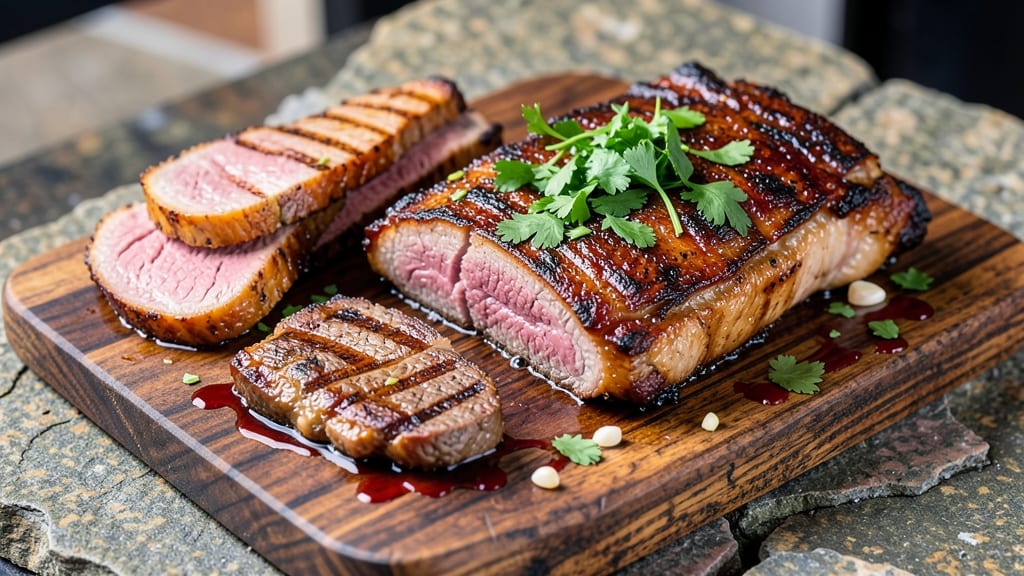
This authentic pork asado recipe brings the soul of Buenos Aires to your grill, where tender cuts of Argentine pork transform under hardwood smoke and chimichurri's bright, herby embrace. ✨ I've spent years perfecting this technique after mastering whole-hog cooking in Charleston, where the principles of slow, low grilling meet the bold flavors of South America. The secret lies in the right cuts—lomo, entraña, or costillar—and the patience to let them develop that signature smoky crust while staying juicy inside.
What sets this asado apart is the method: we start with a dry brine that locks in moisture, followed by grilling over indirect heat with hardwood coals—traditionally quebracho or aliso—to create that unmistakable Argentine smokiness.
The chimichurri isn't just a sauce here; it's the star, with its vibrant parsley, garlic, and vinegar that cuts through the richness while adding a fresh, tangy finish. Every step is designed to honor the cultural tradition of family-style feasts where the meat is the centerpiece.
By the time you're serving, you'll have perfectly tender pork with a caramelized crust, served alongside crisp ensalada rusa and warm provoleta. The aroma alone will bring everyone to the table, and the first bite delivers that perfect balance of smoky, charred edges and melt-in-your-mouth tenderness.
This isn't just a recipe—it's an experience that transforms your backyard into a Buenos Aires parrilla.
The beauty of asado is its adaptability—whether you're grilling for a weekend celebration or a casual family dinner, this method delivers restaurant-quality results. With just a few key techniques and the right ingredients, you'll create a meal that feels like a celebration every time.
Let's get started on this Argentine masterpiece.
Ingredients for authentic pork asado
Six pounds of premium pork, bold chimichurri, and hardwood smoke—this is how you bring Buenos Aires to your grill.
| Ingredient | Amount | Notes |
|---|---|---|
| Argentine Pork Cuts (Lomo, Entraña, or Costillar) 🐖 | 4 lb | Bone-in preferred for flavor |
| Diamond Crystal Kosher Salt 🧂 | ½ cup | For dry brine (plus extra) |
| Fresh Flat-Leaf Parsley 🌿 | 2 cups | Stems removed for chimichurri |
| Garlic Cloves 🧄 | 12 cloves | Peeled for chimichurri |
| Red Wine Vinegar 🍷 | ½ cup | Argentine preferred (Malbec) |
| Extra-Virgin Olive Oil 🫒 | 1 cup | High-quality for chimichurri |
| Quebracho or Aliso Hardwood Chips 🔥 | 2 cups | For authentic Argentine smoke |
| Fresh Red Chili Peppers (Optional) 🌶️ | 2 whole | For chimichurri heat |
| Ground Black Peppercorns 🌶️ | 1 tbsp | Freshly cracked for seasoning |
| Lemon Juice 🍋 | ¼ cup | Freshly squeezed for chimichurri |
| Cumin Seeds (Optional) 🌿 | 1 tsp | Toasted for chimichurri depth |
| Fresh Oregano 🍃 | ¼ cup | Argentine variety preferred |
The pork cuts make all the difference here. Lomo (top sirloin) gives you tender, lean slices perfect for sandwiches, while entraña (silverside) delivers juicy, fatty flavor. Costillar (ribs) is ideal for a crowd—just remember to trim excess fat. For the best quality, shop at local butcher shops or specialty markets like D'Agostino's where they source Argentine imports. Look for cuts with good marbling—this is non-negotiable for authentic asado texture. If you can't find Argentine pork, Spanish or Italian dry-cured pork works well as a substitute, though the flavor will differ slightly. The kosher salt should be Diamond Crystal—it dissolves better than table salt and gives you that perfect crust.
Chimichurri is where the magic happens, so don't skimp on the parsley. Fresh is non-negotiable—dried won't cut it. For the vinegar, Argentine Malbec adds depth, but any bold red wine vinegar works. No fresh parsley? Cilantro at half the amount is a decent swap, though purists will notice the difference. The garlic should be freshly peeled—jarred minced garlic has no soul. Want extra heat? Add those red chili peppers (like rocoto or ñora if you can find them). For the hardwood chips, quebracho is traditional, but hickory or mesquite in a pinch will give you that smoky profile. The chimichurri keeps for 5 days in the fridge—make extra, you'll want it on everything.
Here's the secret to perfect asado prep: dry brine the pork overnight—this locks in moisture and creates that signature crust. Store the meat uncovered on a wire rack in the fridge for 12-24 hours before grilling. The chimichurri can be made a day ahead—it actually tastes better after the flavors meld. For the grill, use indirect heat with the hardwood chips on one side. The pork should rest 15-20 minutes before slicing—this is crucial for juicy results. Leftover chimichurri? Freeze it in ice cube trays for quick portions. And save those pork bones—they make incredible broth for the next day's ensalada rusa.
Why You'll Love This Recipe
- No-Fuss Prep: I swear, this takes less effort than ordering takeout. Just slather those Argentine cuts with salt, garlic, and parsley—no marinating, no fuss—then let the grill do the work while I sip a cold beer. (Yes, even on a Tuesday night.)
- Umami Bomb: That vinegar cut? It’s not just tangy—it’s the secret weapon. The salt crust gives way to juicy meat with a depth that makes store-bought rubs look sad. Honestly, my picky uncle asked for the recipe after one bite.
- Weeknight Crowd-Pleaser: Perfect for game days, family dinners, or when friends drop by unannounced. One cut for sandwiches, another for tacos, and the ribs? Well, they disappear fastest. (My daughter’s favorite, and she’s a veggie kid.)
- Budget-Friendly Leftovers: Pork stretches farther than you’d think, and the flavor only gets better the next day. I turn yesterday’s asado into today’s empanadas or a quick stir-fry—no waste, all flavor. (Between us, this is my wallet’s favorite meal.)
Step-by-step instructions for authentic Argentine pork asado
Master this traditional technique for showstopping pork with smoky depth and vibrant chimichurri.
🔥 Step 1: Prepare the Dry Brine and Pork
Pat the 4 lb Argentine pork cuts completely dry with paper towels—this is non-negotiable for crispy bark. In a bowl, combine 0.5 cup Diamond Crystal kosher salt with 1 tbsp ground black peppercorns and mix well. Rub this generously over the pork, pressing the salt into every crevice. Place the seasoned meat on a wire rack set over a baking sheet and refrigerate uncovered for 12-24 hours.
Here's the thing—the dry brine transforms tough cuts into melt-in-your-mouth perfection. The salt breaks down proteins while the cold air dries the surface, creating that iconic asado crust. Don't skip this step (I learned the hard way when I rushed it).
🍳 Step 2: Make the Chimichurri Sauce
In a food processor, pulse the 2 cups fresh flat-leaf parsley, 12 peeled garlic cloves, 0.25 cup fresh oregano, and 2 whole fresh red chili peppers (optional) until finely chopped. Transfer to a bowl and whisk in 0.5 cup red wine vinegar, 0.25 cup lemon juice, and 1 tsp toasted cumin seeds (optional). Slowly drizzle in 1 cup extra-virgin olive oil while whisking continuously until emulsified.
This vibrant green sauce should be bright and tangy with a peppery kick. If using chili peppers, remove seeds for milder heat. Taste and adjust seasoning—this sauce should sing with acidity and freshness. Cover and refrigerate until ready to use; it'll keep for 3 days.
🔥 Step 3: Set Up the Argentine Smoke
Fill a smoker or grill with 2 cups quebracho or aliso hardwood chips and light according to manufacturer instructions. Maintain a steady temperature of 225-250°F—this low-and-slow method develops deep smoke flavor without drying out the meat. For a charcoal grill, use binchero charcoal and adjust vents to maintain temperature.
Real talk: Argentine asado isn't about high heat—it's about patience. The smoke should be thin and blue, not thick and white. If your smoker runs hot, add more green wood chips to stabilize the temperature. Place the pork on the grill, fat-side up, and let it smoke undisturbed.
⏰ Step 4: Smoke to Perfect Doneness
Smoke the pork for 3-4 hours until the internal temperature reaches 195-203°F and a probe slides in like butter. The bark should be deep mahogany with visible smoke rings. For bone-in cuts like costillar, the fat should render beautifully, basting the meat continuously.
Here's where it gets tricky: the pork will hit "the stall" around 165°F—the temperature plateaus as moisture evaporates. Don't panic; this is normal. If needed, wrap the pork loosely in butcher paper to push through the stall while preserving that precious bark.
🍽️ Step 5: Rest and Serve with Chimichurri
Transfer the pork to a cutting board and tent loosely with foil. Let it rest for 15-20 minutes—this crucial step allows juices to redistribute. Slice against the grain into ½-inch thick pieces and arrange on a platter. Drizzle generously with the chimichurri sauce and serve immediately with crusty bread.
Each bite should deliver smoky depth, juicy tenderness, and that bright, herby chimichurri cutting through the richness. The pork should practically fall apart at the touch, with a crispy exterior that gives way to melt-in-your-mouth meat. This is as authentic as it gets—no shortcuts, just pure Argentine tradition.
Pro Tips For Making Authentic Pork Asado
- Salt the Night Before: I learned this the hard way—dry-brining Argentine pork cuts overnight with Diamond Crystal kosher salt (about 1 tablespoon per pound) makes all the difference. The salt penetrates deeper, and the crust forms faster on the grill, giving you that perfect char without drying out the meat.
- Sear Over Direct Heat: Start with the grill or skillet screaming hot—this isn’t the time to be gentle. Sear the pork cuts (Lomo, Entraña, or Costillar) for 3-4 minutes per side until they develop a deep, caramelized crust. After that, move them to indirect heat to finish cooking; rushing this step means flavor gets left behind.
- Don’t Crowd the Grill: I used to pile everything on at once, thinking it’d cook faster. Wrong. Give each cut space to breathe—especially the Costillar (ribs)—so heat circulates properly. Overcrowding steams the meat instead of searing it, and no one wants soggy asado.
- Finish with Vinegar Splash: Right off the grill, hit the pork with a quick spray of red wine vinegar (about 2 tablespoons) while it rests. Sounds weird, but it works: the acid brightens the flavors and cuts through the richness, just like they do in Buenos Aires parrillas. (Yes, even if you’re impatient like me.)
Common mistakes when making great authentic pork asado
Over-Salting the Pork
I've seen this happen more times than I can count—especially when people rush the dry brine. 0.5 cup kosher salt for 4 lbs of pork is your target, but some cooks double it thinking "more salt = better flavor." The truth?
Too much salt draws out too much moisture, leaving you with a dry, salty mess. Always measure carefully and remember: the salt needs 12-24 hours to work its magic. If you're worried about seasoning, trust the process—Argentine asado relies on that perfect balance. 🧂
Skipping the Rest
This is the cardinal sin of asado—serving pork that hasn't rested properly. I've had guests cut into perfectly cooked meat only to watch all the juices pool on their plates. 15-20 minutes of resting time lets those juices redistribute throughout the meat, ensuring each bite is tender and moist.
Pro tip: Tent the meat loosely with foil to keep it warm while it rests. Patience here makes all the difference. ⏰
Ignoring the Stall
The "stall" is when your pork's internal temperature plateaus around 165°F—a normal part of the cooking process that throws off many first-timers. Some people panic and crank up the heat, which can dry out the meat. Instead, maintain that 225-250°F temperature and let it work its way through.
If needed, wrap the pork loosely in butcher paper to help it push through this phase while keeping that precious bark intact. This is where true Argentine technique shines. 🌡️
Using the Wrong Wood
Not all hardwoods are created equal for asado. While hickory works in a pinch, it gives a stronger, almost bitter smoke compared to traditional quebracho or aliso woods. These create that signature thin, blue smoke that's essential for authentic flavor.
If you can't find Argentine woods, mesquite is your next best option—just avoid fruit woods like cherry or apple, which can overpower the delicate pork flavors. The right wood makes all the difference. 🔥
Overcrowding the Grill
I've seen people pile all their pork cuts onto a crowded grill, thinking it will cook faster. Big mistake. Overcrowding lowers the temperature and creates steam, which can turn your meat soggy. Argentine asado is about space—give your cuts room to breathe and develop that beautiful bark.
Work in batches if needed, and maintain that 225-250°F temperature zone. This isn't a race; it's about patience and precision. 🍖
Neglecting the Chimichurri
Some cooks treat chimichurri as an afterthought, slapping it on just before serving. But this vibrant sauce deserves respect—it should be made fresh and given time to meld. The acidity in the vinegar and lemon juice needs 30 minutes to cut through the richness of the pork.
Make it ahead, let it sit, and taste it before serving. A well-made chimichurri should sing with bright, herby notes that complement the smoky pork perfectly. 🌿
Nutrition facts
Frequently asked questions
What's the best pork cut for authentic Argentine asado?
For true authenticity, use lomo (top sirloin) for tender slices, entraña (silverside) for juicy flavor, or costillar (ribs) for a crowd. These cuts handle the low-and-slow smoking perfectly while delivering that signature Argentine texture. Bone-in options add extra flavor—just trim excess fat first.
Can I make this asado without a smoker?
Use your grill with binchero charcoal and maintain 225-250°F indirect heat. Place hardwood chips on one side to create smoke. For extra authenticity, try the parrilla method—grill over hot coals then move to cooler zones to develop that perfect bark. Patience is key!
How do I know when the pork is perfectly cooked?
Use a meat thermometer—195-203°F for tender, juicy results. The probe should slide in like butter. Look for deep mahogany bark with visible smoke rings. For ribs, the fat should render beautifully, basting the meat continuously. Never guess—precision is everything in asado.
What sides pair best with pork asado?
Traditional pairings include ensalada rusa (Russian-style potato salad), provoleta (grilled cheese), and crusty bread for soaking up chimichurri. For a complete meal, add grilled corn and chimichurri fries. The key is balancing rich meats with bright, fresh elements.
Can I prepare the chimichurri ahead of time?
Yes! Make it 1-2 days ahead—it actually tastes better after flavors meld. Store in an airtight container in the fridge. Give it 30 minutes to come to room temperature before serving to let the acidity shine. Pro tip: Freeze extras in ice cube trays for quick portions.