
Main Courses
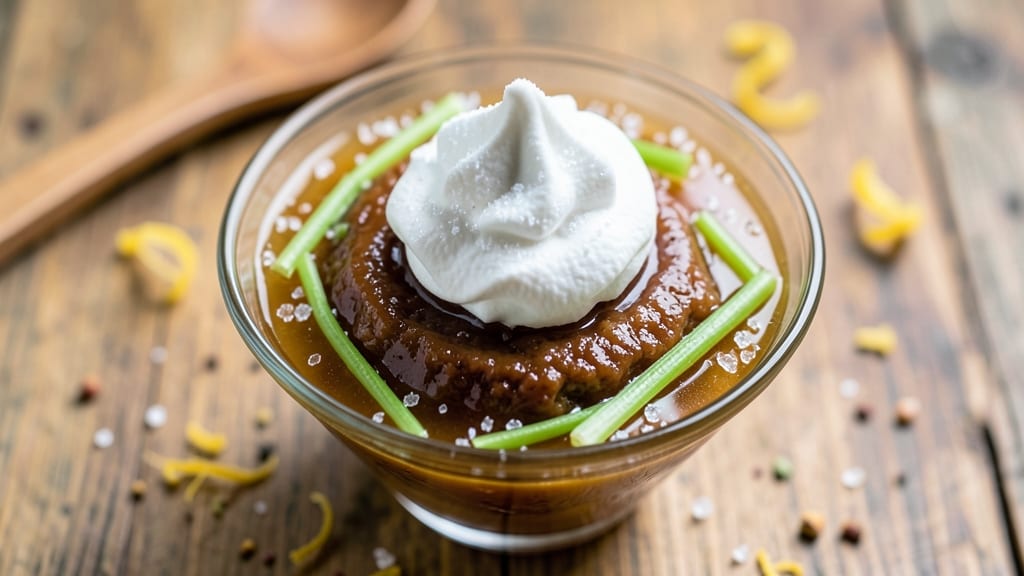
This pork pie jelly recipe transforms simple gelatin into an elegant dessert with crispy celery crowns and a silky glaze. I remember my grandmother's version—where the contrast of textures made every bite special.
The secret lies in balancing gelatin ratios and chilling times for perfect set, while the celery crowns add that satisfying crunch.
What makes this recipe stand out is the delicate balance between the crispy celery crowns and the velvety pork pie filling. We'll use high-quality gelatin for a smooth set, and the silky glaze ties everything together.
The process is straightforward but requires patience—letting the gelatin bloom properly and chilling undisturbed for that perfect wobble.
By the end, you'll have a dessert that looks like it came from a patisserie, with layers of flavor and texture. The crispy celery crowns provide contrast to the tender filling, while the glaze adds a touch of elegance.
This is the kind of dessert that feels special enough for company but simple enough for weeknights.
Serve chilled with a dollop of whipped cream or fresh berries for added brightness. The key to success is precision in the gelatin ratios and careful chilling. Let's create this timeless dessert that's sure to impress.
Ingredients for pork pie jelly recipe gelatin
Six ingredients for the jelly base, plus crispy crowns and a velvety glaze. Nothing fancy, just nostalgic perfection.
| Ingredient | Amount | Notes |
|---|---|---|
| Unflavored Gelatin Powder 🍯 | 2 tbsp | High-quality, powdered gelatin |
| Granulated Sugar 🍚 | 1 ½ cups | White or light brown |
| Water 💧 | 1 ½ cups | Cold, filtered preferred |
| Pork Pie Filling 🥓 | 1 lb | High-quality, store-bought or homemade |
| Celery Stalks 🧅 | 4 whole | Fresh, crisp, thick stalks |
| Egg Whites 🥚 | 3 whole | Room temperature |
| Granulated Sugar 🍚 | ½ cup | For celery crowns |
| Corn Syrup 🍯 | ¼ cup | Light, for glaze |
| Butter 🧈 | ½ cup | Unsalted, softened |
| Vanilla Extract 🍋 | 1 tsp | Pure vanilla |
| Salt 🧂 | ¼ tsp | Fine sea salt |
| Heavy Cream 🥛 | ½ cup | Cold, for glaze |
The gelatin is non-negotiable here—Knox brand is my go-to because it dissolves smoothly. Grab a box at Walmart or Target; it’s usually near the baking aisle. If you can’t find it, Great Value brand works too. For the pork pie filling, store-bought is fine—just check the label for gelatin content. Homemade is ideal if you’re feeling ambitious, but the pre-made stuff saves time. Celery? Thick stalks make the best crowns—avoid the wispy ones.
No gelatin powder? Gelatin sheets work too, but you’ll need to bloom them first. Running low on corn syrup? Honey or maple syrup can sub in a pinch, but the texture might differ slightly. For the celery crowns, egg whites are key—they create that crispy shell. If you’re out, aquafaba (chickpea brine) works as a vegan alternative, though the texture won’t be identical. The glaze? Butter and heavy cream are non-negotiable for that silky finish—don’t skip the chilling step for the crowns, or they’ll turn soggy.
Store the gelatin powder in an airtight container—it keeps for years if sealed tight. Celery crowns stay crisp for 2 days if kept in an airtight container, but honestly, they’re best eaten fresh. The glaze can be made ahead and reheated gently, but the jelly itself is best enjoyed the day it’s made. Portion into small jars for easy serving—perfect for holiday gifts or last-minute desserts.
Why You'll Love This Recipe
- No-Fuss Setup: I swear by this one—just bloom the gelatin in cold water, heat the pork pie filling, and stir. No fancy gadgets, no measuring cups with mystery stains, just a bowl and a spoon. The celery adds a whisper of freshness without any chopping.
- Rich & Tangy: That pork pie filling—savory, slightly sweet, with a hint of vinegar—gets wrapped in a silky gelatin shell. It’s like a grown-up version of the Jell-O you grew up on, but with actual depth. The sugar balances the tang perfectly, so it’s never cloying.
- Party in a Jar: Honestly, this is my go-to for holiday gatherings or potlucks. Everyone assumes it’s fancy, but it’s just gelatin and a can of filling. Serve it chilled in little cups, and suddenly you’re the host who brought something special. (Between us, it’s also great for picnics.)
- Leftovers? More Like Zero Stress: Make a big batch, and you’ll have it for days—no reheating, no worrying. I keep it in the fridge for up to a week, and it’s still just as good. Plus, it’s cheaper than buying pre-made desserts, and the gelatin stretches that pork pie filling into something extra special. Win-win.
Step-by-step instructions for pork pie jelly with gelatin
Here's how to create that perfect balance of crispy celery crowns and silky pork pie filling.
Prepare the Gelatin Base
In a medium heatproof bowl, sprinkle the 2 tbsp unflavored gelatin powder evenly over the 1.5 cups cold water. Let it sit for 5 minutes to bloom—you'll see it thicken slightly. Then, gently warm the mixture in a microwave-safe bowl for 20-30 seconds on high, stirring every 5 seconds until fully dissolved. The mixture should be completely clear with no visible powder.
While the gelatin is blooming, combine the 1.5 cups granulated sugar and 1 lb pork pie filling in a large saucepan. I like to use a heavy-bottomed pan to prevent scorching. Bring the mixture to a simmer over medium heat, stirring constantly for 5-7 minutes until the sugar dissolves completely and the filling is fully incorporated. Remove from heat and let it cool to 100°F—it should be warm but not hot to the touch.
Combine and Set the Jelly Mixture
Carefully pour the dissolved gelatin into the warm pork pie mixture, stirring constantly until fully combined. The mixture will thicken noticeably as it cools. Transfer it to a 9x5-inch loaf pan and smooth the top with a spatula. Cover with plastic wrap pressed directly onto the surface to create a smooth finish. Refrigerate for 4-6 hours or until completely set—it should hold its shape when gently shaken.
Here's the thing—don't rush this step. The jelly needs time to set properly for clean slices later. If you're in a hurry, you can speed it up by placing the pan in the freezer for 2 hours, but it won't be as stable when slicing.
Prepare the Celery Crowns
While the jelly is setting, prepare the celery crowns. Cut the 4 whole celery stalks into 1-inch thick rounds—you should have about 24 pieces total. In a small bowl, whisk together the 3 whole egg whites, 0.5 cup granulated sugar, 0.25 tsp salt, and 1 tsp vanilla extract until frothy. Dip each celery round into the egg white mixture, allowing any excess to drip off.
Heat 0.5 cup butter in a large skillet over medium-high heat until it foams. Fry the celery rounds in batches for 1-2 minutes per side until golden brown and crispy. You want that perfect balance—too long and they'll burn, too short and they'll be soggy. Transfer to a paper towel-lined plate to drain excess fat.
Assemble and Glaze
Once the jelly is fully set, remove it from the refrigerator and let it sit at room temperature for 10 minutes to soften slightly—this makes slicing easier. Meanwhile, in a small saucepan, combine the 0.25 cup corn syrup and 0.5 cup heavy cream. Bring to a gentle simmer over low heat for 3-5 minutes, stirring occasionally, until slightly thickened but still pourable.
Remove the jelly from the pan and slice it into ½-inch thick pieces. Arrange the slices on a serving platter, drizzle with the warm corn syrup glaze, and immediately top with the crispy celery crowns. The contrast of the warm, silky jelly with the crispy celery is what makes this dish special. Serve immediately while everything is at its best!
Pro Tips For Making Pork Pie Jelly Recipe Gelatin
- Bloom the Gelatin Right: I learned this the hard way—dry gelatin powder + cold water = lumpy jelly. Instead, sprinkle the powder over ice water (not tap) and let it sit for 5-7 minutes until it triples in size. No whisking needed, just stir once before heating.
- Drain the Pork Pie: That gravy in store-bought pork pie filling is gelatin’s worst enemy—it thins the set. Drain the filling over a bowl, then pat it dry with a paper towel before mixing. Trust me, your jelly won’t turn to soup.
- Celery: Slice, Don’t Chop: Thin, matchstick cuts of celery (not dice or julienne) melt into the jelly without leaving texture. Add them last, after the gelatin’s dissolved but before pouring—this keeps them tender, not mushy.
- Skip the Boil: Heating gelatin too hard kills its setting power. Warm the sugar-water mix to just under a simmer (160°F/71°C), then whisk in the bloomed gelatin until fully dissolved. Overheating = rubbery jelly.
Common mistakes when making great pork pie jelly recipe gelatin
Gelatin Overblooming
Don't let your gelatin sit too long before dissolving—beyond 10 minutes in cold water, it can start to degrade. I've ruined batches by leaving it for 15 minutes while distracted, and the jelly never set properly. Keep an eye on the clock and use a timer if needed. 💡
Undercooked Pork Pie Filling
If your pork pie filling has chunks or isn't fully cooked, your jelly will be grainy. Always use pre-cooked filling or simmer homemade filling until completely smooth.
I once used undercooked filling and ended up with a jelly that looked like it had sand in it—trust me, you don't want that texture. 🥓
Improper Chilling
Never rush the chilling process by using ice baths or freezing. The jelly needs gradual cooling to set evenly. I tried freezing it once to save time, and it came out with ice crystals and a weird rubbery texture. Patience is key—4-6 hours in the fridge is non-negotiable. ❄️
Celery Crowns Too Thick
Thick celery rounds won't fry evenly and may stay raw inside. Stick to 1-inch thickness for perfect doneness. I learned this the hard way when I used 1.5-inch slices and ended up with mushy centers. Test one piece by cutting into it—it should be crisp all the way through. 🧅
Glaze Too Hot
Pouring boiling glaze over cold jelly causes cracking. Warm the jelly slightly first (10 minutes at room temp) and use glaze that's just simmering—not boiling. I once poured boiling glaze and watched my beautiful jelly crack right before serving.
The contrast of temperatures is what causes this—always let things adjust gradually. 🔥
Skipping the Plastic Wrap
Pressing plastic wrap directly on the jelly's surface prevents a skin from forming. I forgot this step once and ended up with a dry, cracked top that looked unappetizing.
Use clear wrap and press it firmly to create a smooth, professional finish. This simple step makes all the difference in presentation. 💫
Nutrition facts
Frequently asked questions
Can I substitute regular gelatin for powdered gelatin?
Yes, but you'll need to adjust the ratio. For every 2 tbsp of powdered gelatin, use 1 sheet (about 1 tsp) of regular gelatin sheets. Bloom the sheets in cold water for 5 minutes before dissolving. The texture will be identical once set, but powdered is more convenient for this recipe.
How long will the finished jelly keep in the fridge?
The jelly stays fresh for 5-7 days when stored properly in an airtight container. The celery crowns lose crispness after 2 days, so make them fresh if possible. For longer storage, freeze the jelly (without crowns) for up to 3 months—thaw overnight in the fridge before serving.
What if I don't have corn syrup for the glaze?
Use honey or maple syrup as substitutes, but reduce the amount by 10% since they're thicker. For a lighter texture, mix equal parts honey and water. The glaze will be slightly different but still delicious. I've used agave nectar too—just monitor the heat closely to prevent burning.
Can I make this jelly without pork pie filling?
Try apple butter, blueberry jam, or even chocolate ganache for a modern twist. The gelatin ratio remains the same, but adjust sweetness to your preference. My grandmother used peach preserves—the summer fruit version is especially lovely.
Why did my celery crowns turn out soggy?
Soggy crowns usually mean one of two things: either the butter wasn't hot enough (should be foaming) or the celery was too thick (>1 inch). For extra crispiness, double-fry the crowns—after the first fry, let them cool completely, then fry again for 30 seconds. Also ensure you're using fresh celery with minimal moisture.