
Main Courses
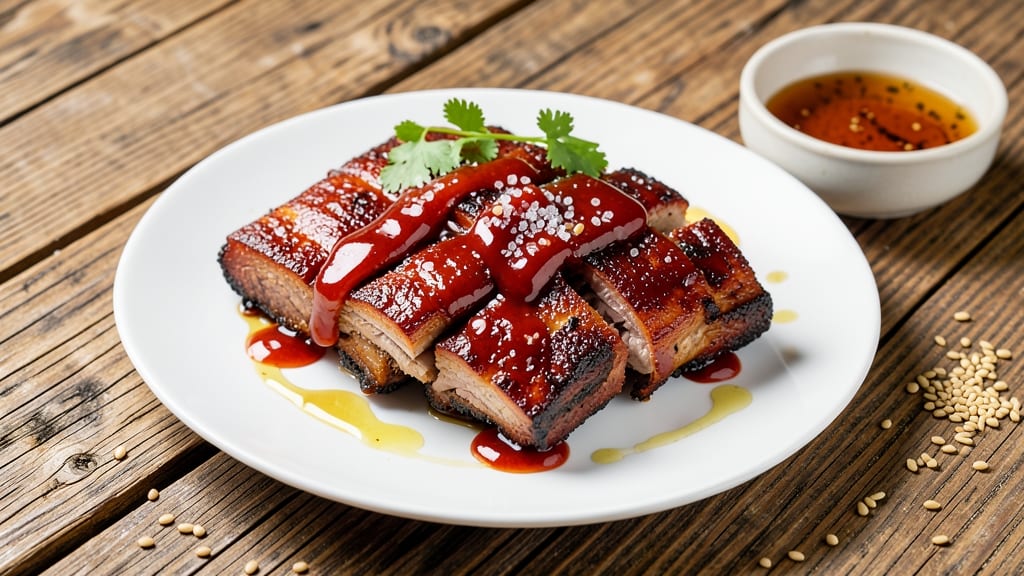
This Korean-style pork ribs recipe delivers the perfect balance of sweet-spicy glaze and caramelized edges that'll have you reaching for seconds. 🔥 I developed this method after years of perfecting the marriage between tender meat and that signature Korean sweetness—gochujang, honey, and soy create a glaze that's both complex and addictive.
The ribs are marinated overnight, ensuring maximum flavor penetration and tender results every time.
The secret lies in the slow cooking process, which transforms tough pork ribs into melt-in-your-mouth perfection. We'll use a combination of braising and finishing on high heat to achieve that coveted caramelized crust while keeping the meat juicy inside.
This technique works beautifully on the stovetop, oven, or even a smoker if you're feeling adventurous.
What you'll end up with is restaurant-quality ribs that are sticky, spicy, and perfectly balanced—each bite delivers tender meat with a glaze that's sweet enough to satisfy cravings but spicy enough to keep things exciting.
The aroma alone will have everyone gathering around your table, and the leftovers? They're even better the next day.
These ribs pair beautifully with steamed rice, quick-pickled vegetables, or a simple cucumber salad to cut through the richness. The glaze is versatile enough to use on chicken or tofu too, making this a recipe that'll become a staple in your rotation. Let's get cooking!
Ingredients for korean style pork ribs
Sweet-spicy glaze meets tender pork—just these 14 ingredients transform ribs into sticky, caramelized perfection.
| Ingredient | Amount | Notes |
|---|---|---|
| Pork Baby Back Ribs 🥓 | 4 lb | Bone-in, meaty ends included |
| Gochujang 🌶️ | ½ cup | Korean fermented chili paste |
| Honey 🍯 | ⅓ cup | Wildflower or clover preferred |
| Soy Sauce 🥫 | ⅓ cup | Low-sodium preferred |
| Brown Sugar 🍚 | ¼ cup | Packed firmly |
| Sesame Oil 🫒 | 1 tbsp | Toasted sesame preferred |
| Garlic Cloves 🧄 | 6 cloves | Minced for marinade |
| Fresh Ginger 🌿 | 2 tbsp | Grated, aromatic |
| Rice Vinegar 🍶 | 2 tbsp | White vinegar substitute |
| Asian Pearl Onions 🧅 | 2 whole | Sliced thinly |
| Green Onions 🧅 | 4 whole | Sliced for garnish |
| Toasted Sesame Seeds 🌾 | 1 tbsp | For finishing touch |
| Diamond Crystal Kosher Salt 🧂 | 1 ½ tsp | For seasoning |
| Ground Black Pepper 🌶️ | ½ tsp | Freshly cracked |
The ribs are non-negotiable—bone-in baby backs deliver the best flavor and texture. Costco or your local butcher shop are the best bets for quality cuts. Look for good marbling and avoid thin, leanness. If you can't find gochujang at your regular store, Korean markets or the international aisle at Trader Joe's will have it. For the honey, Manuka adds a floral depth, but any good-quality honey works. Sesame oil is a must—toasted gives the glaze that nutty aroma, so don't skip the toasting step.
No gochujang? Mix 2 tbsp sriracha with 1 tbsp soy sauce and 1 tbsp maple syrup for a quick substitute. Swap the honey for agave nectar if you're avoiding refined sugar. Brown sugar packs better than granulated, but if that's all you have, pack it firmly into the measuring cup. The onions? Pearl onions add that signature sweetness, but regular yellow onions work in a pinch—just slice them thinner. Fresh ginger is ideal, but ground ginger at half the amount works if you're short on time. The marinade keeps 3 days in the fridge, so make extra for another use.
Marinated ribs last 2 days in the fridge—use within that window for best texture. The glaze thickens as it cools, so reheat with a splash of water if it becomes too stiff. Leftovers reheat beautifully in a 350°F oven for 15 minutes. For meal prep, portion the ribs with rice and store in airtight containers—they keep 3 days this way. Freeze uncooked ribs for up to 3 months; thaw overnight in the fridge before cooking.
Why You'll Love This Recipe
- Same recipe, different vibes: throw them on a sheet pan for a lazy Tuesday dinner or serve them on a platter for game day. The sauce clings so well, it’s effortless to plate—no messy drippings or last-minute fixes.
- Five-Ingredient Magic: I swear, the combo of gochujang’s spicy-sweet punch, honey’s glossy sheen, and soy’s umami depth turns these ribs into something restaurant-worthy with zero fuss. Just toss, bake, glaze—no marinating overnight or babysitting the grill.
- Sweet-Spicy Crunch: That caramelized brown sugar crust? Chef’s kiss. It cracks into shards while the meat stays tender, balancing the gochujang’s heat with a sticky, addictive finish. My kids fight over the last bite—yes, even the picky ones.
- Weeknight to Party: Same recipe, different vibes: throw them on a sheet pan for a lazy Tuesday dinner or serve them on a platter for game day. The sauce clings so well, it’s effortless to plate—no messy drippings or last-minute fixes.
Step-by-step instructions for Korean style pork ribs
Here's how to transform tough ribs into fall-off-the-bone tender morsels with a caramelized glaze.
🍳 Step 1: Marinate the Ribs Overnight for Maximum Flavor
In a large bowl, combine the 0.5 cup gochujang, 0.33 cup honey, 0.33 cup soy sauce, 0.25 cup brown sugar, 1 tbsp sesame oil, 6 cloves minced garlic, 2 tbsp grated fresh ginger, 2 tbsp rice vinegar, 1.5 tsp kosher salt, and 0.5 tsp ground black pepper. Whisk until the brown sugar dissolves completely - you want a smooth, glossy marinade with no graininess.
Pat the 4 lb pork baby back ribs completely dry with paper towels, then rub the marinade all over, pressing it into the meat. Place the ribs in a resealable plastic bag, seal tightly, and refrigerate for 12-24 hours. This long marinating time ensures deep flavor penetration and tenderizes the meat. I like to turn the bag occasionally to ensure even coating.
🔥 Step 2: Sear the Ribs for Maximum Flavor Development
Preheat your oven to 275°F and position a rack in the lower third. Remove the ribs from the marinade (reserve the marinade for later) and place them bone-side down on a wire rack set in a rimmed baking sheet. This elevated position allows heat to circulate around all sides of the ribs for even cooking.
Sear the ribs in a hot skillet over medium-high heat for 2-3 minutes per side until they develop a deep caramelized crust. You'll know they're ready when the marinade has darkened and formed a sticky glaze. This searing step locks in juices and creates that beautiful mahogany bark we're after. Transfer the seared ribs to the prepared baking sheet.
🍳 Step 3: Slow Cook Until Fork-Tender
Pour the reserved marinade into a small saucepan and bring to a simmer over medium heat. Let it reduce by half - about 5-7 minutes - until it becomes thick and syrupy. This concentrated marinade will become our glaze. Brush this reduced sauce generously over the ribs before placing them in the oven.
Cook the ribs in the preheated oven for 2.5-3 hours until they reach an internal temperature of 195-203°F and are fork-tender. The ribs are done when they pull apart easily at the bones and the meat is meltingly tender. I check the temperature by inserting a meat thermometer into the thickest part of the meat, avoiding the bones.
🥘 Step 4: Glaze and Finish Under the Broiler
Increase the oven temperature to broil high. Remove the ribs from the oven and brush them generously with the reserved reduced marinade. Place the baking sheet on the middle rack and broil for 3-5 minutes until the glaze caramelizes and bubbles dramatically. Watch closely - you want a glossy, sticky glaze that's deeply caramelized but not burnt.
While the ribs are broiling, slice the 2 whole Asian pearl onions thinly and the 4 whole green onions into 1-inch pieces. Toss them with 1 tbsp toasted sesame seeds and set aside. Once the ribs are beautifully glazed, transfer them to a serving platter and immediately top with the onion mixture. The contrast of crisp onions against tender, sticky ribs is what makes this dish truly special.
Pro Tips For Making Korean Style Pork Ribs
- CUT RIBS IN HALF: Baby back ribs are stubborn—split them down the bone with kitchen shears before cooking. This guarantees even seasoning and faster penetration of that sticky gochujang-honey glaze, especially when you’re grilling or broiling. (Yes, it looks messy at first, but your ribs will thank you.)
- MIX GOCHUJANG FIRST: Whisk gochujang, honey, soy sauce, and brown sugar into a smooth paste before slathering it on. Lumpy glaze means uneven caramelization—your ribs will dry out in spots while others stay soggy. I learned this the hard way after serving a batch where half looked undercooked.
- LOW AND SLOW FOR CORE: After searing, drop the ribs to 275°F (135°C) for 1.5–2 hours, covered with foil. This breaks down collagen without turning the edges to charcoal. I used to rush it, and my ribs ended up chewy—now I treat them like lazy Sunday brunch.
- BRUSH IN LAYERS: Don’t drown the ribs in sauce—brush on a thin layer every 20 minutes after the first hour. Too much liquid = steamed ribs, not caramelized ones. (Pro move: Save the leftover glaze for a quick stir-fry or rice bowl.)
Make-ahead tips for this recipe
Marinade Prep Ahead
Make the marinade up to 3 days in advance and store it in an airtight container in the fridge. I always double the batch because it works beautifully on chicken thighs or tofu too.
The flavors deepen over time, so don't skip this step—it's what makes the ribs sing. Just whisk it again before using to re-emulsify any separated ingredients. 🌶️
Rib Prep Timeline
Pat the ribs completely dry and apply the marinade 12-24 hours before cooking. I like to do this the night before so I can focus on other prep while the ribs work their magic in the fridge.
If you're short on time, 8 hours minimum still gives great results, though the texture won't be quite as tender. Wrap them tightly in plastic wrap to prevent drying.
Glaze Make-Ahead
Reduce the marinade into a glaze 1 day ahead and store it in a small glass jar in the fridge. Reheat it gently in a saucepan with 1 tbsp water to loosen it up before using.
This prepped glaze is perfect for brushing onto ribs right before finishing under the broiler. I've used it on leftover ribs too—just reheat with a splash of water and broil for 2-3 minutes to revive that sticky goodness. 🍯
Rib Storage Strategies
Marinated ribs keep 2 days in the fridge, but for longer storage, freeze them raw in a freezer bag for up to 3 months. Thaw overnight in the fridge before cooking—never at room temperature.
For meal prep, portion the cooked ribs with rice into airtight containers and refrigerate for up to 3 days. Reheat in a 350°F oven for 15 minutes to maintain that caramelized glaze. 🥓
Glaze Refresh Trick
If your glaze thickens too much in the fridge, revive it by adding 1 tsp water and warming it gently in a saucepan. I've even saved "failed" batches by thinning with 1 tsp rice vinegar to reset the balance.
The key is to keep it smooth and glossy—this is what makes the glaze cling beautifully to the ribs during the final broil. 💫
Garnish Prep
Slice the Asian pearl onions and green onions 1 day ahead and store them in a sealed container with a paper towel to absorb moisture. Toss with toasted sesame seeds right before serving so they stay crisp.
This garnish adds that perfect crunch contrast that makes the dish pop. I also keep a small jar of extra glaze on hand to drizzle over the finished dish for that restaurant-quality presentation. 🌿
Nutrition facts
Frequently asked questions
Can I use beef short ribs instead of pork?
While pork baby backs are ideal, you can adapt this recipe for beef short ribs with a few adjustments. Use 3-4 pounds of beef ribs and increase the marinating time to 24-48 hours since beef is tougher. Cook at 250°F for 3-4 hours until fork-tender, then finish with the broiler as directed. The glaze will work beautifully, but expect a richer, deeper flavor profile.
How do I adjust the spice level?
For milder ribs, reduce the gochujang to ¼ cup and add 1 tbsp honey or 1 tsp sugar to balance. For extra heat, increase gochujang to ⅔ cup and add ½ tsp red pepper flakes to the marinade. Always taste-test the marinade before applying—you can adjust sweetness with honey or acidity with rice vinegar.
What's the best way to reheat leftovers?
Reheat ribs in a 350°F oven for 15 minutes with a splash of water or broth to revive moisture. For the microwave, cover with a damp paper towel and heat in 30-second bursts until warmed through. To restore that caramelized glaze, broil for 2-3 minutes after reheating—just brush with a little reserved glaze first.
Can I make this recipe in an air fryer?
Yes! For air fryer ribs, marinate as directed, then sear in a skillet first. Place ribs in the air fryer at 300°F for 20 minutes, flip, and cook 15 more minutes. Finish with the broiler step (use oven broiler setting if your air fryer has one) to caramelize the glaze. Work in batches if needed—these ribs are best when not crowded.
Why did my ribs turn out dry?
Overcooking is the most common cause—ribs are done at 195-203°F internal temp. If they're dry, they likely cooked too long. Always use a meat thermometer and avoid cooking past 3 hours at 275°F. For extra moisture, wrap ribs in foil during the slow cook and add ¼ cup water to the pan to create steam.