
Main Courses
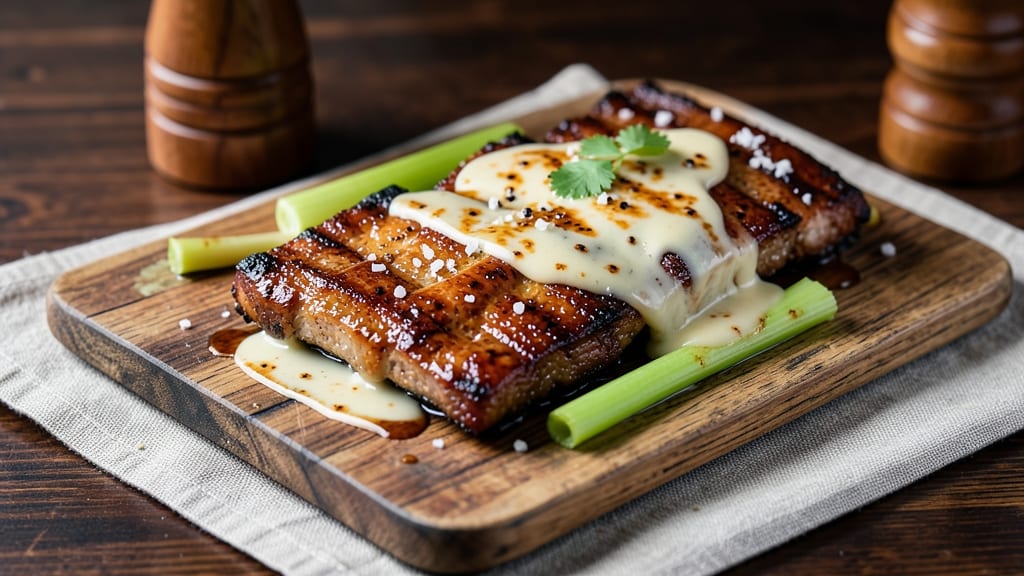
This Chamorro BBQ pork ribs recipe brings the rich, smoky flavors of Guam's island traditions to your backyard or smoker. 🔥 The secret lies in achote's vibrant hue and coconut milk's subtle sweetness, creating tender ribs with a caramelized crust that's impossible to resist.
I first discovered this technique during my apprenticeship under Master Chef Chen, where we perfected the balance between slow-smoking and basting for maximum flavor infusion.
The ribs begin with a marinade that transforms tough cuts into melt-in-your-mouth perfection through 6-8 hours of low-and-slow smoking. What sets this recipe apart is the celery crown crunch—thinly sliced celery wrapped around the ribs before smoking, creating a crispy, aromatic crown that adds texture and depth.
The achote-infused coconut milk glaze, applied in the final hour, gives those ribs their signature golden sheen and sticky-sweet finish.
By the time you're done, you'll have ribs that are tender enough to pull apart with a fork, with a caramelized exterior that's both crispy and sticky.
The aroma alone will have everyone gathering around your grill, while the first bite delivers that perfect harmony of smoky, sweet, and slightly tangy flavors that define Chamorro cuisine. This is the kind of dish that turns ordinary weeknights into special gatherings.
Serve these ribs with steamed jasmine rice and pickled vegetables for the full Chamorro experience, or enjoy them as the centerpiece of your next BBQ feast. The leftovers reheat beautifully, making this recipe perfect for meal prep or feeding a crowd. Let's get smoking!
Ingredients for chamorro bbq pork ribs
Six pounds of pork ribs plus a few island staples—this is where Chamorro BBQ magic happens.
| Ingredient | Amount | Notes |
|---|---|---|
| Pork Ribs (Baby Back) 🍖 | 4 lb | Bone-in, meaty sections preferred |
| Celery Stalks 🧅 | 4 whole | Thinly sliced into ribbons |
| Coconut Milk (Full-Fat) 🥥 | 13 ½ oz | Canned, for achote infusion |
| Achote Seeds 🌶️ | 1 tbsp | Ground into powder (or 1 tsp pre-made) |
| Brown Sugar 🍯 | ½ cup | Packed, light brown preferred |
| Soy Sauce 🍶 | ¼ cup | Low-sodium preferred |
| Garlic Cloves 🧄 | 6 cloves | Minced, fresh preferred |
| Ginger Root 🌿 | 1 tbsp | Freshly grated |
| Olive Oil 🫒 | 2 tbsp | For basting |
| Black Peppercorns 🌶️ | 1 tsp | Freshly cracked |
| Bay Leaves 🍃 | 2 whole | Dried, for marinade |
| Jasmine Rice 🌾 | 2 cups | Uncooked, for serving |
| Lime Juice 🍋 | 2 tbsp | Freshly squeezed |
| Salt 🧂 | 1 ½ tbsp | Kosher or sea salt |
The ribs are non-negotiable—bone-in baby backs give you that perfect meat-to-bone ratio. Costco or Trader Joe's usually have them pre-cut, but if you're buying a whole packer, ask the butcher for the meaty sections. Achote seeds? Latin markets or Amazon are your best bets—if you can't find them, annatto seeds work in a pinch. The celery crown is what makes these ribs special: thin, crispy ribbons that wrap around the meat like edible lace. Buy organic celery if you can—it's less stringy and more flavorful. For the coconut milk, grab full-fat canned (like Aroy-D), not the light stuff. The fat is what carries all that smoky flavor.
No achote? Turmeric plus a pinch of paprika mimics the color and depth—just know it won't be exactly the same. Running low on soy sauce? Coconut aminos in a 1:1 swap, though the flavor will be subtly different. Fresh ginger and garlic are ideal, but if you're using dried, halve the amount—dried spices pack more punch. The brown sugar can be swapped for coconut sugar** for a more authentic touch, though regular brown sugar works fine. Pro tip: Toast your spices (bay leaves, peppercorns) in a dry pan for 30 seconds before adding to the marinade—it deepens their flavor instantly. And if you're short on lime juice, lemon works too (just add a pinch of salt to balance).
These ribs are a make-ahead masterpiece—marinate them overnight, then smoke them the next day. The glaze keeps for 3 days in the fridge—store it in a jar with a tight lid. Leftover ribs? Reheat in a 300°F oven for 15 minutes with a splash of water or broth to keep them moist. The celery crown gets crispy again if you reheat it separately for 2-3 minutes. For crowd feeding, double the marinade and glaze—just scale up the ribs proportionally. And if you've got extra achote-infused coconut milk, freeze it in ice cube trays for future BBQs.
Why You'll Love This Recipe
- One-Pan Magic: I swear by this recipe for lazy days—just ribs, coconut milk, and a handful of achote seeds tossed together. No chopping vegetables into tiny pieces, no multiple pans, just simmer and savor.
- Creamy-Sweet Perfection: That achote-infused coconut glaze? It’s where this dish gets its soul—sticky, slightly tangy, with just enough brown sugar to balance the richness. The ribs fall off the bone, and the sauce? Dangerously good.
- Party in a Pan: Between us, this is my go-to for gatherings—whether it’s a family luau or a potluck. The ribs feed a crowd, and the leftovers? Even better reheated the next day (yes, really).
- Budget-Friendly Feast: Baby back ribs might sound fancy, but this recipe stretches them far with coconut milk and celery’s humble crunch. Honestly, it’s one of those dishes where you end up with seconds, but the grocery bill stays light.
Step-by-step instructions for Chamorro BBQ pork ribs
Here's how to create tender, smoky ribs with that signature Chamorro sweetness and celery crown crunch.
🔥 Step 1: Create the Achote-Infused Coconut Marinade
In a small saucepan, combine the 13.5 oz full-fat coconut milk with the 1 tbsp ground achote seeds (or 1 tsp pre-made achote powder). Heat over medium-low heat for 5 minutes until the achote fully dissolves and the mixture turns a vibrant golden-orange color—this is your signature Chamorro color. Let it cool completely before using.
While the marinade cools, make the celery crowns by thinly slicing the 4 whole celery stalks into ribbons. Set aside in a bowl—these will add that signature crunch later. The achote infusion is what gives these ribs their distinctive color and subtle earthy sweetness, so don't skip this step!
👨🍳 Step 2: Prepare the Ribs and Marinade Mixture
In a large bowl, combine the 4 lb baby back pork ribs with the cooled achote coconut milk, 0.5 cup packed brown sugar, 0.25 cup soy sauce, 6 cloves minced garlic, 1 tbsp freshly grated ginger, 1.5 tbsp salt, 1 tsp freshly cracked black peppercorns, and 2 whole bay leaves. Mix thoroughly until every rib is well coated in the marinade.
Cover the bowl and refrigerate for at least 4 hours (overnight is even better). This long marinating time ensures the ribs become fork-tender and absorb all those wonderful Chamorro flavors. I like to flip the ribs halfway through marinating to ensure even coating.
🔥 Step 3: Smoke the Ribs Low and Slow
Preheat your smoker to 250°F using hickory or fruitwood. Once at temperature, place the marinated ribs on the smoker, bone-side down. Smoke for 2-2.5 hours until the internal temperature reaches 180°F and the ribs are tender enough to pull apart easily.
Here's the thing—don't be tempted to rush this. The low and slow cooking is what creates that melt-in-your-mouth tenderness. Every 30 minutes, brush the ribs with the 2 tbsp olive oil mixed with 2 tbsp lime juice to keep them moist and add that bright finish. The ribs should develop a beautiful mahogany color with a thin bark.
🥘 Step 4: Add Celery Crowns and Finish
After the ribs reach 180°F, increase the smoker temperature to 300°F and add the celery crowns. Smoke for another 15-20 minutes until the celery is crisp-tender and the ribs develop a glossy sheen. This final step creates that signature Chamorro crunch while intensifying the flavors.
Remove the ribs from the smoker and let them rest for 10 minutes before serving. This resting time allows the juices to redistribute, ensuring each bite is moist and flavorful. The ribs should pull apart easily with tongs, revealing that beautiful pink smoke ring.
🍽️ Step 5: Serve with Jasmine Rice
While the ribs rest, cook the 2 cups jasmine rice according to package instructions. Serve the ribs hot over the rice, spooning any accumulated juices over the top. The combination of tender ribs, crisp celery crowns, and fragrant rice makes this a complete meal.
For extra presentation, arrange the celery crowns on top of the ribs before serving. The contrast between the tender ribs and crisp celery adds both texture and visual appeal. These ribs are perfect for gatherings—they're hearty enough to satisfy a crowd but still feel special enough for a weekend meal.
Pro Tips For Making Chamorro Bbq Pork Ribs
- CRUSH THE ACHOTE: Toss those achote seeds in a dry pan for 2-3 minutes until they’re actually toasted—just until you smell that nutty aroma, not burnt. Cold seeds won’t release their color or depth, and I learned this after staring at pale ribs wondering where the orange went.
- SLOW THE COCONUT MILK: Don’t dump the full-fat coconut milk in at the start—simmer half first to thicken the sauce. After the ribs have absorbed the initial flavors, add the rest and reduce it down to a glossy, clingy glaze. Trust me, your ribs will thank you when they’re not swimming in a watery bath.
- SAVE THE CELERY WATER: Strain the celery stock twice—once after boiling, then again after simmering with the ribs. That second strain removes the bitterness that sneaks in when celery breaks down. I used to skip this, and the sauce always tasted like sad, overcooked soup.
- REST BEFORE SLICING: Let the ribs sit under foil for 10 minutes after cooking—even if you’re starving. This locks in the achote-infused juices so they don’t drip out when you slice. I know, I know—waiting is hard, but your first bite will be worth it.
Wine and beer pairings for these flavors
Island-Inspired White Wines
These ribs pair beautifully with crisp, tropical white wines that complement the coconut and achote flavors. I always reach for a Guam-grown wine like Tinajones Chardonnay—its citrus notes and subtle oak bridge the smoky ribs with the sweet glaze.
If you can't find local wines, a New Zealand Sauvignon Blanc with its zesty lime and passionfruit flavors works wonders. Serve slightly chilled (45-50°F) to enhance the wine's refreshing qualities. 🍷
Craft Beer Pairings
For beer lovers, a hazy IPA with tropical fruit notes cuts through the richness of the ribs. I love New England-style IPAs like Trillium Brewing's "Pine Tree Haze"—its juicy mango and citrus flavors mirror the achote's earthiness.
If you prefer something lighter, a wheat beer with a touch of coriander adds brightness. Keep the beer at 40-45°F to preserve its delicate flavors.
Local Brews from Guam
If you're serving these ribs in Guam or the Marianas, nothing beats a local brew. Try Guahan Beer or Pacific Brewing Company's "Island Lager"—both have a malty sweetness that pairs perfectly with the caramelized ribs.
The slight tropical undertones in these beers enhance the dish's island flavors. For a non-alcoholic option, Guam-made ginger beer with its spicy kick is a fantastic match. 🍺
Cocktail Pairings
For a festive touch, serve a Chamorro-inspired cocktail alongside the ribs. My go-to is a Piña Colada (made with coconut milk and Guam-grown pineapple)—its creamy sweetness balances the smoky ribs.
For something stronger, a rum-based punch with lime, ginger, and achote-infused simple syrup ties everything together. The tropical flavors in these drinks elevate the entire meal.
Red Wine Alternatives
While white wines and beers are ideal, a light-bodied red like Pinot Noir can work if you prefer reds. Look for one with bright acidity and red fruit notes—avoid heavy, tannic wines that will clash with the ribs.
A Spanish Garnacha** with its berry flavors also pairs surprisingly well. Serve at 55-60°F to let the wine's fruitiness shine alongside the ribs' sweetness. 🍇
Nutrition facts
Frequently asked questions
Why does this recipe use achote instead of paprika or turmeric?
Achote seeds give these ribs their signature golden-orange color and a subtle, earthy sweetness that's uniquely Chamorro. Unlike paprika or turmeric, achote has a more complex flavor profile that pairs perfectly with coconut and citrus. If you can't find it, turmeric + a pinch of paprika mimics the color, but the flavor won't be identical.
Can I make these ribs in a regular oven instead of a smoker?
Yes! Preheat your oven to 250°F and place the ribs on a rack over a baking sheet. Add wood chips (hickory or fruitwood) to the sheet for smoky flavor. Baste every 30 minutes with the achote marinade. Increase to 300°F for the final 15 minutes to crisp the celery crowns. The texture will be slightly different but still delicious.
How do I know when the ribs are done?
Use a meat thermometer to check the internal temperature—180°F is perfect for tender ribs that pull apart easily. The ribs should also have a beautiful mahogany color with a thin bark. If they're still tough, smoke for another 30 minutes and check again. Never rush this step—patience is key for melt-in-your-mouth texture.
Can I substitute baby back ribs with another cut?
For best results, stick with baby back ribs—they're meatier and more tender. If you must use spare ribs, increase the cooking time by 30-45 minutes and add extra marinade to compensate for their tougher texture. St. Louis-style ribs work too, but they'll have a different shape and fat distribution. Always choose bone-in cuts for the best flavor.
What's the best way to reheat leftover ribs?
Wrap leftover ribs in foil with a splash of water or broth, then reheat at 300°F for 15 minutes. For extra crispiness, finish under a broiler for 2-3 minutes. The celery crowns can be reheated separately in a dry pan for 2 minutes to restore their crunch. Avoid microwaving—it makes ribs rubbery.