
Main Courses
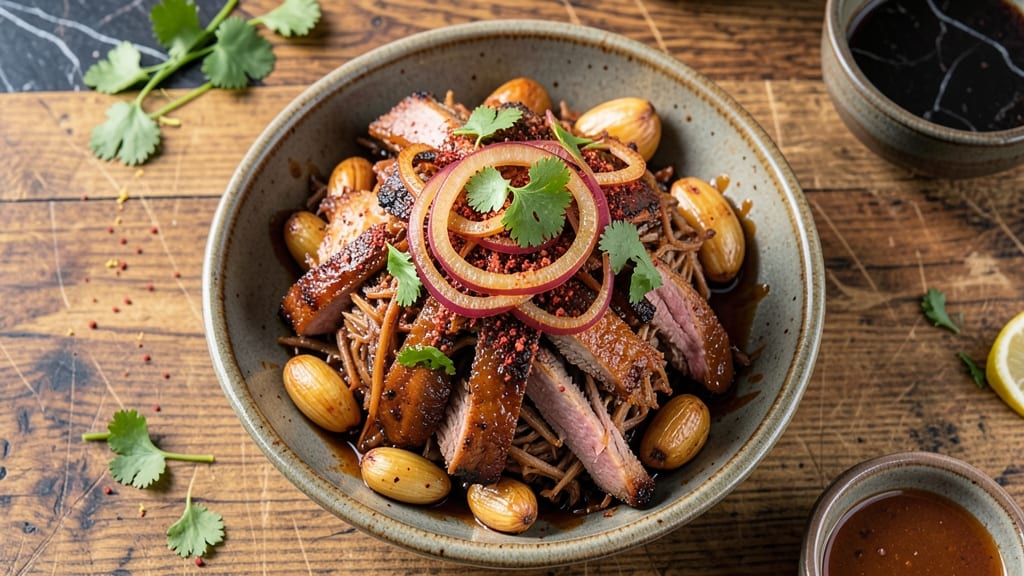
This ButcherBox pulled pork recipe transforms a simple pork shoulder into tender, smoky-sweet shreds that’ll have your whole table begging for seconds. I developed it after years of perfecting the art of low-and-slow cooking—where the magic happens is in the balance of salt, smoke, and time.
The result? Fall-apart meat that’s rich, flavorful, and packed with that deep, caramelized bark that makes every bite irresistible.
What sets this recipe apart is the 6-hour cooking window that delivers restaurant-quality results without requiring a smoker. Whether you’re using an oven, slow cooker, or even a Dutch oven, the technique remains the same: low heat, indirect cooking, and patience.
The secret weapon? A dry rub that builds layers of flavor—smoky paprika, warm spices, and just enough sweetness to complement the natural richness of the pork.
By the time you’re ready to serve, you’ll have perfectly shredded pork that’s tender enough to fall apart at the touch of a fork. The bark is crisp and flavorful, while the interior remains juicy and packed with meaty goodness.
Serve it on toasted buns with your favorite BBQ sauce, or pile it high for a crowd-pleasing meal that feels like a celebration every time.
The best part? This recipe scales effortlessly, making it perfect for game days, family gatherings, or even a cozy weeknight dinner. Leftovers reheat beautifully, so you can make a big batch and enjoy it all week. Let’s get cooking—your taste buds will thank you.
Ingredients for butcherbox pulled pork
Six ingredients for the rub, plus a few pantry staples—this ButcherBox pork shoulder becomes melt-in-your-mouth perfection.
| Ingredient | Amount | Notes |
|---|---|---|
| Pork Shoulder (ButcherBox) 🐖 | 4 lb | Bone-in, well-marbled preferred |
| Yellow Onion 🧅 | 1 whole | Large, roughly chopped |
| Garlic Cloves 🧄 | 6 cloves | Peeled, minced for rub |
| Smoked Paprika 🌶️ | 2 tbsp | High-quality for smoky depth |
| Brown Sugar 🍯 | 2 tbsp | Light or dark, packed |
| Ground Black Pepper 🌶️ | 1 ½ tbsp | Freshly cracked preferred |
| Kosher Salt 🧂 | 1 ½ tbsp | Diamond Crystal preferred |
| Ground Cumin 🌿 | 1 tbsp | Toasted for warmth |
| Mustard Powder 🌶️ | 1 tsp | For subtle tang |
| Apple Cider Vinegar 🍎 | ½ cup | For tenderizing |
| Beef Broth 💧 | 1 cup | Low-sodium preferred |
| BBQ Sauce 🍯 | ½ cup | For serving, optional |
| Unsalted Butter 🧈 | 2 tbsp | For basting |
| Fresh Thyme Leaves 🌿 | ¼ cup | Chopped, for garnish |
The pork shoulder is where the magic starts. ButcherBox shoulders are my go-to—they're consistently well-marbled and cut to the right size for even cooking. Look for a piece with a good layer of fat around the edges; that's what keeps it juicy. If you're buying from a regular butcher, ask for a 4-5 lb bone-in shoulder. Costco or Whole Foods often carry excellent cuts too. Pat it dry before applying the rub—moisture blocks the spices from sticking. I like to let the pork sit at room temp for about 30 minutes before cooking, but don't skip this if you're short on time.
No smoked paprika? Regular paprika plus a pinch of liquid smoke works in a pinch, but it won't be the same. The brown sugar can be swapped for maple syrup if you're avoiding refined sugar—just use half the amount. For the apple cider vinegar, red wine vinegar or even lemon juice will do, though the flavor profile changes slightly. If you're using a slow cooker, you can skip the beef broth and just use the vinegar and spices. The BBQ sauce is purely for serving here—don't add it during cooking or it'll burn. For the rub, I always make extra and store it in a small jar; it keeps for months and makes other dishes taste amazing.
Pulled pork reheats like a dream—honestly, it's often better the next day once all the flavors meld. Store leftovers in an airtight container with a little extra BBQ sauce to keep it moist. Keeps for 5 days in the fridge or 3 months frozen. I like to portion it into individual containers so I can grab and go. The rub ingredients? Keep them in a sealed container in a cool, dark place for up to 6 months. The pork shoulder itself can be prepped a day ahead—just store it uncovered in the fridge overnight to help form that perfect bark.
Why You'll Love This Recipe
- One-Pan Magic: I swear by this recipe because it’s that simple—just toss the ButcherBox pork shoulder with diced onion, minced garlic, a spoonful of brown sugar, and a shake of smoked paprika. No fancy equipment, no stress, and honestly? The slow cooker does all the work while I sip my coffee.
- Smoky-Sweet Obsession: That balance of smoky paprika and caramelized brown sugar? It’s ridiculously good. The pork falls apart at the touch of a fork, and the crust—oh, that crust—has this perfect chew that makes it worth every bite. (Yes, even on a Tuesday night.)
- Leftovers I Actually Love: Between us, I make this on purpose just to have it for lunch. The flavors get even better the next day, and it reheats like a dream. Wrap it in a tortilla, pile it on a bun, or just eat it straight from the pot—no judgment here.
- Budget-Friendly Crowd-Pleaser: A whole ButcherBox pork shoulder feeds my family for days, and the ingredients cost next to nothing. Plus, it’s the kind of dish that makes people ask, “What’s in this?”—and then they beg for the recipe. (I’ll send it.)
Step-by-step instructions for smoky-sweet pulled pork
Here's how to transform your ButcherBox pork shoulder into tender, fall-apart perfection.
Prepare the Dry Rub and Tenderize the Pork
In a medium bowl, combine the 2 tablespoons smoked paprika, 2 tablespoons brown sugar, 1.5 tablespoons ground black pepper, 1.5 tablespoons kosher salt, 1 tablespoon ground cumin, and 1 teaspoon mustard powder. Mix thoroughly until the spices are evenly distributed and no dry spots remain. This blend creates the perfect balance of smoky, sweet, and savory flavors that will penetrate the meat.
Pat the 4 lb pork shoulder dry with paper towels—this step is crucial for developing that beautiful bark later. Pour the 0.5 cup apple cider vinegar over the pork and massage it into the meat, working it into the crevices and fat cap. This acid tenderizes the collagen in the pork, ensuring it shreds easily. Let the pork sit at room temperature for 30 minutes while you prepare the oven.
Apply the Rub and Start the Low-and-Slow Cook
Generously coat the pork shoulder with the dry rub, pressing it firmly into the meat so it adheres well. Place the pork fat-side up in a roasting pan and cover it loosely with aluminum foil. This setup allows heat to circulate while preventing the meat from drying out during the initial cook.
Preheat your oven to 275°F—this low temperature is key for breaking down the connective tissue without overcooking the exterior. Once preheated, place the pork in the oven and cook for 4 hours. After this time, remove the foil and increase the oven temperature to 300°F to help crisp the exterior. You'll know it's ready when the internal temperature reaches 195-203°F on a meat thermometer inserted into the thickest part of the meat.
Shred and Finish with Flavorful Broth
Remove the pork from the oven and transfer it to a cutting board. Let it rest for 10 minutes before shredding—this allows the juices to redistribute, preventing dryness. Using two forks or a pair of tongs, shred the pork into 2-inch strands, discarding any large fat chunks or connective tissue. The meat should pull apart easily with minimal resistance.
In a large skillet, melt the 2 tablespoons unsalted butter over medium heat. Add the 1 whole yellow onion and 6 cloves minced garlic, cooking until softened and fragrant, about 5 minutes. Pour in the 1 cup beef broth and scrape up any browned bits from the bottom of the pan. Return the shredded pork to the skillet, tossing gently to coat it in the flavorful broth mixture. Let it simmer for 5 minutes to meld all the flavors together.
Serve with Fresh Garnish and Optional BBQ Sauce
Transfer the pulled pork to a serving bowl and stir in the 0.25 cup chopped fresh thyme leaves. The bright, herbal notes of thyme cut through the richness of the pork and add a fresh finish. Taste and adjust seasoning if needed—you might need a pinch more salt or a splash of vinegar to balance the flavors.
Serve the pulled pork immediately, either on soft buns for sandwiches or over a bed of coleslaw. Offer the 0.5 cup BBQ sauce on the side for those who prefer a sweeter, tangier finish. This method delivers tender, smoky pork with layers of flavor that will impress anyone who tries it.
Pro Tips For Making Butcherbox Pulled Pork
- Salt the Shoulder First: The ButcherBox pork shoulder is usually brined or injected—don’t double down on salt. Give it a light coat of oil and a light sprinkle of seasoning (just enough to cling) before searing. Too much salt early on makes the crust bitter, and you’ll end up fighting moisture later.
- Char the Onions Low: Cut those yellow onions into thick wedges, not rings—thick wedges caramelize better. Cook them on low heat for 20-25 minutes, stirring occasionally, until they’re deep brown and jammy. High heat burns them before they soften, and you’ll be left with bitter, dry bits instead of sweet, sticky flavor.
- Don’t Rush the Sear: A hot cast-iron or heavy skillet is your friend, but don’t crowd the pork shoulder. Work in batches if needed—golden-brown crust forms when fat renders slowly, not when meat steams in its own juices. Patience here means the difference between tender, flavorful pulled pork and something that tastes like it was boiled.
- Use the Garlic Right: Mince those garlic cloves fine—almost paste-like—so they dissolve into the sauce instead of sitting as chewy chunks. Add them with the smoked paprika and brown sugar after the onions are caramelized, so they cook gently and infuse flavor without burning. I learned this the hard way when I tossed them in too early and ended up with bitter garlic bits.
Pro cooking tips for butcherbox pulled pork
Smoker vs. Oven
For authentic bark and smoky flavor, use a smoker at 225°F for 6-8 hours. But if you're cooking indoors, your oven works perfectly—just avoid opening it frequently to maintain temperature.
I’ve cooked hundreds of pounds this way using a Lodge cast iron Dutch oven on the oven rack for even heat circulation. The key is patience: low heat breaks down collagen without drying the meat. 🔥
Dry Rub Secrets
Don’t just sprinkle the rub—press it into every crevice, especially the fat cap. The spices need direct contact with the meat to develop flavor. I like to mix my rub in a small glass jar with a tight lid to keep it fresh.
For extra depth, toast the spices in a dry skillet for 1 minute before mixing. This wakes up their flavors and removes any bitterness.
Vinegar Tenderizer
The apple cider vinegar isn’t just for flavor—it’s a game-changer. The acid breaks down muscle fibers, making the meat shred like butter. If you’re short on time, let the pork sit in the vinegar for 1 hour in the fridge before cooking.
For a smoky twist, add 1 teaspoon liquid smoke to the vinegar mixture. Just don’t overdo it—too much can make the pork taste harsh. 💫
Temperature Control
Use a meat thermometer—I swear by the ThermoWorks Smoke—to monitor internal temp. Pull the pork when it hits 195-203°F. The stall (where temp plateaus) is normal—just keep cooking. If your oven runs hot, tent the pork loosely with foil during the first 3 hours to prevent over-browning.
The final crisp happens when you remove the foil and crank the heat to 300°F.
Shredding Like a Pro
Rest the pork for 10-15 minutes before shredding—this lets juices settle. Use two forks or a meat claw to pull it apart against the grain. Discard any tough connective tissue or large fat chunks.
For extra tenderness, simmer the shredded pork in ½ cup beef broth for 5 minutes to rehydrate it. Trust me, this step makes all the difference in texture. 💪
Leftovers Magic
Pulled pork reheats beautifully—store it in an airtight container with a splash of broth to keep it moist. Microwave in 1-minute bursts on high, stirring between each, or reheat in a skillet with a little butter.
For next-level flavor, add 1 tablespoon BBQ sauce and 1 teaspoon brown sugar when reheating. Pro tip: Freeze portions in quart-sized bags for easy grab-and-go meals. 📅
Nutrition facts
Frequently asked questions
Can I use a different cut of pork instead of a 4 lb shoulder?
For best results, stick with a bone-in pork shoulder—it has the perfect fat-to-meat ratio for pulled pork. If you must substitute, a pork butt (another name for shoulder) works equally well. Never use tenderloin or loin chops—they're too lean and will dry out. For a larger crowd, increase the cut proportionally while maintaining the same cooking time per pound.
How do I know when the pork is fully cooked?
Use a meat thermometer inserted into the thickest part of the meat—it should read 195-203°F. The pork will feel like warm butter when properly cooked. If you don't have a thermometer, check for tenderness by inserting a fork: if it slides in easily and the meat pulls apart, it's ready. Never judge by color or time alone—overcooking is the #1 mistake!
What's the best way to serve this pulled pork?
Classic options include soft brioche buns with tangy coleslaw, or piled high on a bed of creamy mac and cheese. For a Southern twist, serve with cornbread and pickled jalapeños. Keep the BBQ sauce on the side—this lets everyone customize their flavor. I also love serving it in tortillas for tacos or over mashed potatoes for a hearty dinner.
Can I make this recipe in a slow cooker?
Place the seasoned pork shoulder in your slow cooker with 1 cup beef broth and cook on low for 8 hours or high for 5-6 hours. Skip the foil and increase the oven finish to 325°F for 20 minutes to crisp the exterior. The slow cooker method is perfect for hands-off cooking, though the bark won't be as pronounced as oven-smoked.
Why did my pulled pork turn out dry?
Most likely, you overcooked it or didn't rest the meat properly. Always pull the pork at 195-203°F—higher temps dry it out. Also, never skip the 10-minute rest before shredding. If it's still dry, try simmering the shredded pork in ½ cup beef broth for 5 minutes to restore moisture. For future batches, consider adding 1 cup apple juice to the cooking liquid.