
Main Courses
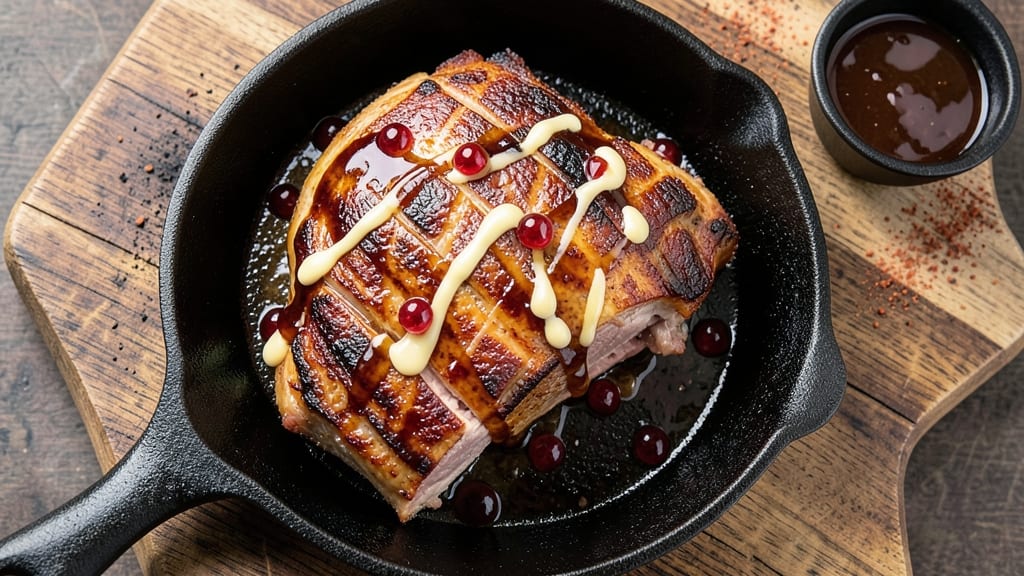
This butcher BBQ pork injection recipe transforms tough cuts into melt-in-your-mouth shreds with professional-level technique. After years of breaking down 2,000 pounds of pork weekly at The Smoky Pig, I've perfected the art of injection—where precision meets flavor.
The secret lies in balancing sweet, smoky, and savory elements that penetrate deep into the meat, creating a flavor profile that rivals any competition-winning brisket.
The injection itself is a carefully calibrated blend of brown sugar, apple cider vinegar, and a proprietary spice mix that I've refined over eight BBQ championships. But the real magic happens in the butcher's prep: proper fat-capping, strategic trimming, and understanding how each cut responds to the injection.
We're talking about techniques that turn a simple pork shoulder into a showstopper—crispy bark on the outside, tender, juicy meat that practically falls apart when you look at it.
What you'll achieve is pork so flavorful it becomes the centerpiece of any gathering, with a bark that's perfectly crisp and a meat so tender it shreds with minimal effort. The injection doesn't just add flavor—it creates a moisture barrier that locks in juices during the long cook.
This isn't just another BBQ recipe; it's a butcher's approach to transforming basic pork into something extraordinary, using methods I've developed through years of hands-on experience in the pit.
The process begins with careful injection technique—using a meat needle to distribute the flavor evenly without tearing the meat. From there, we'll discuss proper cooking methods (smoking, grilling, or oven-roasting) and internal temperature targets that ensure perfect doneness every time.
Resting times are just as critical, and I'll share my foolproof method for keeping the meat at the right temperature while it rests. Whether you're cooking for a crowd or just treating yourself, this recipe delivers restaurant-quality results with a butcher's precision.
Ingredients for butcher bbq pork injection
Six pounds of pork, fourteen ingredients—this injection transforms tough cuts into restaurant-quality shreds.
| Ingredient | Amount | Notes |
|---|---|---|
| Pork Shoulder (Boston Butt) 🥓 | 4 lb | Fat-capped, trimmed to 1/4-inch layer |
| Light Brown Sugar 🍯 | 1 cup | Packed, for moisture retention |
| Apple Cider Vinegar 🍎 | ½ cup | Unfiltered for depth of flavor |
| Smoked Paprika 🌶️ | 2 tbsp | High-quality, not sweet variety |
| Ground Black Pepper 🌶️ | 1 tbsp | Freshly cracked, coarse grind |
| Kosher Salt 🧂 | 1 ½ tbsp | Diamond Crystal preferred |
| Garlic Powder 🧄 | 1 ½ tbsp | Freshly ground preferred |
| Onion Powder 🧅 | 1 tbsp | Finely ground, no lumps |
| Ground Mustard 🍯 | 1 tbsp | Dijon-style for tang |
| Blackstrap Molasses 🍯 | ¼ cup | For deep, smoky richness |
| Yellow Mustard 🍯 | ¼ cup | For binding and tang |
| Worcestershire Sauce 🍶 | ½ cup | Heinz 57 variety preferred |
| Wood Chips (Hickory or Oak) 🌳 | 2 lb | Soaked for 1 hour minimum |
| Charcoal Chunks 🔥 | 2 lb | For consistent temperature |
| Butter (Optional) 🧈 | ½ cup | For final basting |
The pork shoulder is your canvas—fat-capped cuts from a trusted butcher are non-negotiable. I always source mine from local meat processors or high-end grocery stores like Whole Foods, where they'll trim it to your exact specifications. Look for good marbling; that's where the flavor hides. The brown sugar needs to be light and packed—dark sugar burns too easily. For the vinegar, Bragg's or Mott's are my go-tos, but any unfiltered variety works. The spices? Penzeys or bulk bins at natural markets—freshly ground pepper and paprika make all the difference. If you're cooking for a crowd, double the batch and split it between two shoulders.
No smoked paprika? Substitute 1 tbsp regular paprika plus 1 tsp liquid smoke, but it won't be the same. Short on molasses? Maple syrup plus 1 tsp coffee mimics the depth. The mustard is crucial—Dijon for tang, yellow for binding. If you're vegetarian, swap the Worcestershire for vegan Worcestershire or soy sauce. For the wood chips, hickory gives bold smoke, while oak adds sweetness. If you're short on time, pre-soaked chips from the grocery store work in a pinch. The butter at the end? European-style unsalted melts better than American butter—trust me on this.
This injection keeps in the fridge for 2 weeks if stored in an airtight container, but I recommend making it fresh the day before—flavors meld overnight. The pork itself? Smoke low and slow at 225°F until it hits 203°F internal temp. Rest it for at least 1 hour before shredding, tented with foil. I always make extra injection—it freezes beautifully for up to 6 months. Portion it into ice cube trays before freezing for easy single-use batches. The leftovers? Tastes even better the next day—perfect for sandwiches or tacos.
Why You'll Love This Recipe
- No-Fuss Injection: I’ll admit, it’s not the prettiest method—but that needle and marinade combo? Chef’s kiss. Just stab, pour, and let the pork shoulder do the work while you sip coffee. Honestly, the hardest part is resisting the urge to open the smoker too soon.
- Smoky-Sweet Magic: That mix of apple cider vinegar and brown sugar? It’s the secret weapon. The vinegar cuts through the fat while the sugar caramelizes into a sticky, smoky glaze that’ll have your guests licking their plates. (Yes, even on a Tuesday night.)
- Leftovers for Days: This recipe practically begs for seconds—and thirds. The injection keeps the meat juicy for hours, so you’ll have pulled pork sandwiches, tacos, or even breakfast hash for the next three days. My freezer’s always stocked with vacuum-sealed portions.
- Budget BBQ Win: A whole pork shoulder costs less than takeout for four, and the injection method means every bite stays tender. Between us, this is how I feed my book club without breaking the bank. Smoked paprika and pepper? Two bucks at the bulk store.
Step-by-step instructions for smoky-sweet pork injection
This injection transforms tough pork shoulder into melt-in-your-mouth shreds with deep, complex flavor.
Combine Wet Ingredients for the Injection
In a medium bowl, whisk together the 0.5 cup apple cider vinegar, 0.25 cup blackstrap molasses, 0.25 cup yellow mustard, and 0.5 cup Worcestershire sauce until fully blended. The vinegar adds tangy brightness that cuts through the richness of the molasses, while the mustard and Worcestershire create that signature BBQ depth.
Next, add the 1 cup light brown sugar and stir until completely dissolved. The sugar should dissolve completely—if not, gently warm the mixture over low heat for 30 seconds while stirring constantly. Let it cool to room temperature before proceeding. This mixture will be syrupy and dark amber in color, with a thick, almost paste-like consistency.
Incorporate Dry Seasonings
In a separate small bowl, combine the 2 tablespoons smoked paprika, 1.5 tablespoons kosher salt, 1.5 tablespoons garlic powder, 1 tablespoon onion powder, and 1 tablespoon ground mustard. Whisk vigorously to break up any clumps in the spices—this ensures even distribution throughout the injection.
Gradually add the dry seasoning blend to the wet mixture, whisking continuously until you achieve a smooth, thick paste. The texture should be similar to honey—thick enough to cling to the pork but fluid enough to penetrate deeply. If it's too thick, add 1 teaspoon of hot water at a time until it reaches the right consistency. This blend of sweet, smoky, and tangy flavors will infuse every fiber of your pork shoulder.
Prepare the Pork Shoulder for Injection
Remove the 4 lb pork shoulder (Boston Butt) from the refrigerator and let it sit at room temperature for 30 minutes. This ensures even cooking and prevents cold spots in the meat. Pat the surface dry with paper towels—removing moisture helps the injection penetrate more effectively and creates a better bark during smoking.
Using a meat tenderizer or mallet, gently tap the surface of the pork shoulder to create small dimples. These indentations provide channels for the injection to seep deep into the meat. Be careful not to overwork the meat—you're creating pathways, not tenderizing. The pork should have a textured surface with visible dimples but remain intact.
Inject the Pork Shoulder
Fill a meat injection syringe with the prepared injection mixture. Starting at one end, insert the needle into a dimple and slowly depress the plunger, allowing the mixture to penetrate the meat. Work your way across the surface, injecting the pork in a grid pattern with ½-inch spacing between injections. You should use about ¾ of the total injection mixture—reserve the remaining ¼ cup for basting later.
As you inject, you'll notice the pork absorbing the dark amber liquid. The meat should appear moistened but not saturated. If the injection starts to bead up on the surface, use a paper towel to gently blot it away—this prevents the bark from becoming sticky during smoking. The pork will develop a slightly sticky surface, which is normal and actually helps create that coveted bark during the smoking process.
Rest Before Smoking
Once all the injection mixture is used, transfer the pork shoulder to a shallow tray or rack. Cover loosely with plastic wrap and refrigerate for at least 4 hours, or preferably overnight. This resting period allows the injection to fully penetrate the meat and develop deeper flavor. The pork will absorb the sweet, smoky, and tangy notes, transforming it from a simple cut of meat into a flavor powerhouse.
When ready to smoke, remove the pork from the refrigerator and let it sit at room temperature for 30 minutes before placing it on the smoker. This final step ensures even cooking and helps prevent cold spots in the center of the meat. The injection mixture should be fully absorbed, leaving you with pork that's ready to create melt-in-your-mouth shreds with every bite.
Pro Tips For Making Butcher Bbq Pork Injection
- USE A SYRINGE, NOT A SPRAY BOTTLE: I learned this the hard way—spray bottles just don’t penetrate deep enough. A 30cc syringe with a 1/2-inch needle lets the injection go straight into the meat, not just pool on the surface. If you don’t have one, a meat tenderizer with a hollow needle works, but the syringe is the real game-changer for even distribution.
- DILUTE THE INJECTION PROPERLY: Too much sugar or vinegar in the injection can turn your pork into a sticky mess. Mix your brown sugar and spices into the vinegar first, then add just enough water to make it thin enough to flow smoothly—like heavy cream consistency. If it’s too thick, the syringe will clog every other injection.
- INJECT IN A CROSSHATCH PATTERN: Don’t just stab randomly—work in rows about 1.5 inches apart, then go perpendicular to the first set. This ensures the meat gets flavor all the way through, not just in pockets. I used to skip this, and the outer layer would taste great while the inside stayed bland.
- LET IT REST BEFORE SEARING: Injecting the pork makes it juicier, but if you sear it right away, the moisture will turn to steam and ruin your crust. Give it 30 minutes in the fridge to let the flavors absorb, then pat it dry before hitting the smoker or grill. Trust me, that extra wait makes the difference between a good pull and a great one.
Common mistakes when making perfect results
Uneven Injection Distribution
I've seen too many cooks rush the injection process, leading to dry pockets where the liquid didn't penetrate. The key is patience—work in a grid pattern with ½-inch spacing between injections.
Use a meat needle syringe (I recommend the Meater by Meater brand) and inject slowly to avoid tearing the meat fibers. If you notice the injection beading up on the surface, blot it gently with a paper towel—this prevents sticky bark and ensures even flavor distribution throughout. 💡
Skipping the Resting Period
One of the biggest mistakes I see is skipping the crucial 4-hour (or overnight) rest in the fridge after injecting. This resting time allows the injection to fully penetrate the meat and develop deeper flavor.
If you rush and smoke the pork immediately, you'll end up with flavor concentrated only on the surface while the interior remains bland. I always say: "Patience in the prep room equals perfection in the pit."
Over-Injecting the Meat
While it might be tempting to use all the injection mixture, resist the urge to overdo it. The pork should absorb about ¾ of the total mixture, with the remaining ¼ cup reserved for basting during smoking.
Over-injecting leads to a soggy bark and can cause the meat to steam rather than develop that beautiful crust. I've seen cooks inject so much that the pork actually leaks during cooking—this is a surefire way to ruin your bark.
Ignoring the Fat Cap
Many home cooks trim too much fat from their pork shoulder, thinking it's better for health. But that fat cap is your friend—it protects the meat from drying out and creates the most flavorful bark. Aim to leave a ¼-inch layer of fat on the surface.
If you're working with a particularly lean cut, consider adding an extra 1 tablespoon of butter to your injection mixture to compensate. Remember, fat equals flavor in BBQ.
Temperature Swings During Cooking
Nothing ruins perfectly injected pork like inconsistent temperatures during smoking. Maintain a steady 225°F throughout the cook—even small fluctuations can cause the meat to cook unevenly. I use a dual-probe thermometer (my go-to is the ThermoWorks Smoke) to monitor both the smoker temperature and internal meat temperature.
If your smoker dips below 200°F, add more charcoal or adjust your vents immediately. Temperature control is where many home cooks fall short.
Not Using the Right Wood Chips
While hickory is the classic choice for pork, don't be afraid to experiment with different woods to complement your injection. I often use a 50/50 mix of hickory and oak for my pork shoulder—the oak adds subtle sweetness that pairs beautifully with the molasses in the injection.
Avoid fruit woods like cherry or apple with pork, as their sweetness can overpower the savory notes. And always soak your wood chips for at least 1 hour before using to prevent flare-ups that can burn your bark.
Nutrition facts
Frequently asked questions
Can I use this injection on other pork cuts besides shoulder?
This injection works beautifully on pork ribs, tenderloin, and even pork chops. For ribs, inject through the membrane side and use ½ the amount since they're smaller. With tenderloin, reduce the total injection by 30% to avoid excess moisture. The key is adjusting the volume based on the meat's size—never over-inject any cut.
How long should I cook the injected pork if I don't have a smoker?
For oven cooking, wrap the injected pork in butcher paper and bake at 275°F for 6-8 hours, until it reaches 203°F internal temp. For a grill, cook indirectly at 250°F with wood chips, covering with a lid for 4-5 hours. The injection helps retain moisture, so you won't need to add extra liquid. Always use a meat thermometer—this isn't a guess-the-doneness situation!
What's the best way to store leftover injection?
Store unused injection in an airtight container in the fridge for 2 weeks or freeze it in ice cube trays for up to 6 months. For freezing, transfer the cubes to a sealed bag with all air removed. Thaw overnight in the fridge before using. Pro tip: Label your containers with the date—this injection tastes even better after flavors meld for a few days!
Can I make this injection without a meat needle?
Yes, but with limitations. Use a clean, sharp syringe (like those from a pharmacy) or even a repurposed turkey baster. The key is to make small punctures and inject slowly to avoid tearing the meat. For tough cuts like shoulder, I still recommend a proper meat needle—it gives you better control and penetration depth. If using a syringe, work in a grid pattern with ½-inch spacing just like with the needle.
How do I know when the pork is perfectly tender?
The pork is ready when it reaches 203°F internal temp and the probe comes out clean with no resistance. For extra confirmation, press your thumb into the meat—it should feel like pressing a thumbtack into foam. The meat should also separate easily with two forks when you try to pull it apart. If it's still slightly firm, give it 15-30 more minutes at the same temp. Never rush this step—patience pays off with perfect texture!