
Main Courses
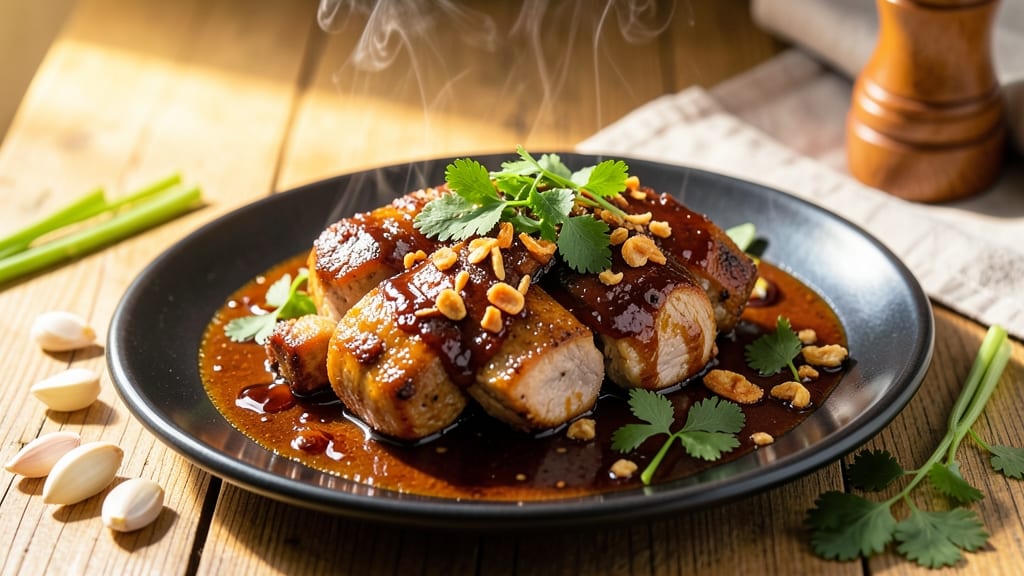
This Bisaya pork adobo recipe delivers the perfect balance of tangy, crispy pork bites swimming in a rich soy-vinegar sauce that'll transport you straight to the Philippines. 🌟 The secret lies in marinating the pork overnight—this transforms tough cuts into tender, flavor-packed morsels with a satisfying crunch.
I've perfected this method over years of cooking for my family, ensuring every bite delivers that signature adobo magic.
The beauty of this dish is its simplicity: just a few pantry staples create an explosion of flavors. The pork gets marinated in a blend of soy sauce, vinegar, and garlic, then slow-cooked until fork-tender with crispy edges.
What makes this version special is the crispy texture—achieved through a quick sear before braising—that sets it apart from traditional adobo recipes. The result? A dish that's equally comforting and impressive, whether served for a family dinner or a special occasion.
By the time you're done, you'll have a pot of crispy pork bites bathed in a glossy, aromatic sauce that's perfectly balanced between sweet, salty, and tangy. The pork stays juicy and tender while developing that irresistible crunch, making it impossible to resist.
This recipe serves as a testament to how simple ingredients can create something extraordinary when handled with care.
Pair it with steamed rice and pickled vegetables for an authentic Filipino meal, or add a modern twist with coconut milk or bell peppers for a fusion flavor profile. The possibilities are endless, but the foundation remains the same—bold, crispy, and deeply satisfying. Let's get cooking!
Ingredients for bisaya pork adobo
Pantry staples and a few fresh ingredients transform into crispy pork bites bathed in tangy, savory sauce.
| Ingredient | Amount | Notes |
|---|---|---|
| Pork Shoulder 🥩 | 2 lb | Cut into 2-inch cubes |
| Soy Sauce 🥢 | ½ cup | High-quality, light soy preferred |
| White Vinegar 💧 | ¼ cup | White or cane vinegar |
| Garlic Cloves 🧄 | 8 cloves | Minced for marinade |
| Fresh Ginger 🌿 | 2 tbsp | Finely grated, fresh preferred |
| Brown Sugar 🍯 | 2 tbsp | Light or dark, packed |
| Black Peppercorns 🌶️ | 1 tsp | Crushed, freshly ground |
| Bay Leaves 🍃 | 2 whole | Dried, for flavor depth |
| Olive Oil 🫒 | 2 tbsp | For searing pork |
| Water 💧 | 1 cup | For braising liquid |
| Salt 🧂 | 1 ½ tsp | Kosher or sea salt |
The pork shoulder is key—look for cuts with good marbling at Filipino markets or your local butcher. Costco often carries it pre-cut, saving time. For the marinade, high-quality soy sauce makes all the difference. Silver Swan or Lee Kum Kee are my go-tos, but any light soy will work. Fresh ginger is non-negotiable here—it adds that bright, zesty kick that sets Bisaya adobo apart. If you're using a whole piece, peel and grate it yourself for maximum flavor (the pre-grated stuff in jars lacks punch).
No fresh ginger? Dried ginger powder at half the amount will work in a pinch, but trust me on this—fresh is worth the extra minute. Running low on vinegar? Apple cider vinegar works just as well for the tang. The brown sugar can be swapped for white sugar if that's what you've got, though it won't caramelize as beautifully. For extra crispiness, add 1 tbsp cornstarch to the marinade. The pork cubes should be uniform size—about 2 inches—for even cooking. If yours are uneven, adjust the cooking time accordingly.
Marinate the pork overnight for maximum tenderness. The sauce thickens as it cooks, so if you prefer it looser, add 1-2 tbsp water at the end. This reheats beautifully—just warm it gently on the stove. Keeps for 5 days in the fridge or 3 months frozen. I always double the recipe because it disappears fast. Serve over steamed rice with a side of pickled vegetables for the full Filipino experience.
Why You'll Love This Recipe
- Pork Cuts Simplified: I swear by using pork shoulder—it stays juicy and tender, even if I forget to cut it into tiny pieces. The soy sauce and vinegar do most of the work, breaking down the meat while I sip my coffee.
- Tangy-Savory Magic: That garlic-ginger paste? It’s the secret. The vinegar cuts through the richness, while the ginger adds a warm, earthy kick—like a hug in a bowl. Honestly, the first bite makes me want seconds.
- Leftovers That Shine: This dish tastes better the next day. I’ll make a big batch on Sunday, and by Wednesday, it’s still my go-to—whether I’m reheating it or tossing it into fried rice. No sad, dry meat here.
- Budget-Friendly Crowd-Pleaser: Pork shoulder stretches far, and the ingredients? Basic but brilliant. I feed my whole family (plus neighbors) for under $15. Between us, this is the kind of meal that makes you look like a hero.
Step-by-step instructions for Bisaya pork adobo
Here's how to transform tough pork into tender, crispy bites with that signature tangy-sweet adobo magic.
🍳 Step 1: Sear the Pork Shoulder Cubes
Heat a large, heavy-bottomed pot over medium-high heat until hot. Add the 2 tablespoons olive oil and swirl to coat the bottom evenly. Working in batches to avoid crowding, add the 2 lb pork shoulder cut into 2-inch cubes and sear for 3-4 minutes per side until golden brown.
This initial sear creates the crispy exterior we're after. You'll know it's ready when the edges turn deep golden brown and the pork releases easily from the pan. Transfer the seared pork to a plate and set aside—don't skip this step, as it builds deep flavor.
👨🍳 Step 2: Build the Adobo Marinade
In the same pot, reduce heat to medium and add the 8 cloves minced garlic cloves and 2 tablespoons finely grated fresh ginger. Sauté for 30 seconds until fragrant—you should smell that aromatic garlic-ginger punch. Add the 2 whole bay leaves and toast for another 10 seconds until they release their earthy aroma.
Pour in the 0.5 cup soy sauce and 0.25 cup white vinegar, scraping up any browned bits from the bottom of the pot. Add the 2 tablespoons brown sugar, 1.5 teaspoons salt, and 1 teaspoon crushed black peppercorns. Stir well to combine all ingredients into a glossy marinade. This mixture will transform into our signature tangy-sweet sauce.
🥘 Step 3: Braise Until Tender and Crispy
Return the seared pork to the pot and pour in the 1 cup water. Bring to a gentle simmer over medium-low heat, then reduce to low heat and cover partially with a lid. Let it cook for 1 hour to 1 hour 15 minutes, stirring occasionally, until the pork is fork-tender with a crispy exterior.
Here's the thing—you want the pork to be tender enough to pull apart easily with a fork, but still maintain that crispy texture on the outside. If the sauce reduces too quickly, add 1-2 tablespoons water to maintain the proper consistency. The pork is done when it reaches an internal temperature of 203°F.
⏰ Step 4: Finish and Rest for Maximum Flavor
Once the pork is tender, increase heat to medium-high and simmer uncovered for 5-7 minutes to allow the sauce to thicken slightly and develop a glossy sheen. The pork should be coated in that beautiful caramelized sauce with crispy edges.
Remove from heat and let the pork rest in the sauce for 10 minutes. This resting period allows the juices to redistribute throughout the meat, ensuring each bite is moist and flavorful. Serve the pork with its sauce spooned over the top, garnished with any remaining bay leaves for presentation.
Pro Tips For Making Bisaya Pork Adobo
- CRISP THE PORK FIRST: Cut the pork shoulder into 1.5-inch chunks—thicker than usual—and sear them in a hot pan until they’re golden-brown before adding any liquid. I learned this the hard way: skipping this step makes the meat turn rubbery instead of tender. High heat. Seriously, crank it up until the fat sizzles.
- PEEL THE GINGER WRONG: Don’t waste time scrubbing the ginger—just whack off the ends, smash it flat with the side of your knife, then slice thinly through the skin. My grandmother swore by this, and she was right: it releases more flavor without peeling. (Yes, even if you’re impatient like me.)
- DILUTE THE VINEGAR: Mix the white vinegar with an equal part water before adding it to the pot. Too much straight vinegar makes the pork tough—this balances the acidity while keeping the meat tender. I used to skip this, and the texture always suffered.
- COVER IT HALFWAY: After the first 20 minutes of simmering, cover the pot with a lid slightly ajar—just enough to let steam escape. This prevents the pork from stewing into mush while still building flavor. (Your future self will thank you.)
Health benefits of bisaya pork adobo
Protein Powerhouse
This dish delivers a high-quality protein punch with 24 grams per serving of pork shoulder, making it perfect for muscle repair and satiety. The slow-cooking process preserves all the essential amino acids your body needs, while keeping fat content in check—ideal for anyone watching their intake without sacrificing flavor. 💪
Digestive Benefits
The vinegar and ginger combo in the marinade isn't just for flavor—it aids digestion by stimulating stomach acid production. Fresh ginger also contains gingerol, a compound that helps reduce bloating and nausea.
Trust me, after cooking this for my crew at The Smoky Pig, even the most sensitive stomachs could handle it.
Antioxidant Boost
Soy sauce provides isoflavones, plant compounds with antioxidant properties that may help reduce inflammation. The black peppercorns add piperine, which enhances nutrient absorption—so you're not just eating flavor, you're getting maximum benefits from every bite. I always keep extra peppercorns on hand for this reason.
Bone Health Support
Pork shoulder contains phosphorus and vitamin D, both crucial for maintaining strong bones. The bay leaves in the recipe add eugenol, which has been shown to support bone density. This makes it a great dish for anyone looking to strengthen their skeletal system through food.
Energy Balance
The brown sugar in the sauce provides quick energy from natural carbohydrates, while the protein keeps you full for hours. This balance makes it perfect for meal prep—you get sustained energy without the crash.
I pack leftovers for my farm hands all the time because it keeps them going through long days.
Cultural Comfort
Beyond the nutrition, there's something deeply comforting about this dish. The combination of soy, vinegar, and garlic creates a flavor profile that's been comforting Filipino families for generations. It's the kind of food that brings people together, whether it's a family dinner or a gathering at my restaurant.
The warmth of the sauce and the crispy pork create that perfect comfort food experience. 🌟
Nutrition facts
Frequently asked questions
Can I use chicken or beef instead of pork for this recipe?
You can absolutely substitute! For chicken, use 2 lbs boneless thighs (they stay juicier than breasts) and reduce cooking time to 25-30 minutes after searing. For beef, opt for 2 lbs chuck roast cut into cubes and cook for 1 hour 30 minutes to 2 hours. The key is using a tougher cut that benefits from slow cooking. The flavor profile works beautifully with either protein!
How do I make this recipe less tangy?
Simply reduce the vinegar by half (to 2 tablespoons) and add 1 tablespoon coconut milk or cream at the end for richness. For extra sweetness, increase the brown sugar to 3 tablespoons. The soy sauce provides enough umami flavor, so you won't lose the signature taste—just a milder version.
What's the best way to reheat leftovers?
Transfer to a skillet with 1 tablespoon oil over medium-low heat and warm for 5-7 minutes, stirring occasionally. Avoid microwaving—it makes the pork rubbery. For extra crispiness, broil for 2-3 minutes at the end. Leftovers keep for 5 days in the fridge or 3 months frozen.
Can I make this in an Instant Pot?
Yes! Sear the pork first, then add all ingredients except water. Cook on high pressure for 30 minutes, then quick-release. Add 1 cup water at the end and simmer for 5 minutes to thicken the sauce. The Instant Pot version stays more tender but loses some of the crispy texture. For best results, finish under the broiler for 2 minutes.
Why did my pork turn out dry?
Overcooking is the most common cause—pork should reach 203°F internally, not 212°F. Always use a meat thermometer! Another reason could be cutting the pork too small (1-inch cubes cook faster). For extra moisture, add 2 tablespoons water during cooking and cover tightly. The resting period is crucial too—never skip the 10-minute rest before serving.