
Main Courses
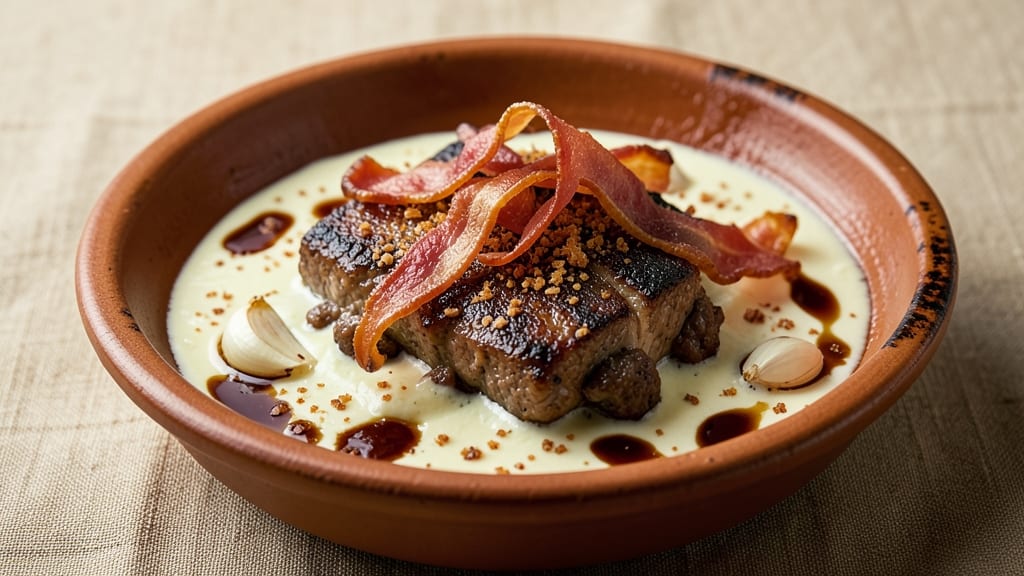
The Bicol Express Ground Pork delivers the bold, caramelized richness of Filipino comfort food in one aromatic pot. 💛 I first tasted this dish during a trip to Manila, where the balance of sweet, sour, and smoky flavors left me craving more—now I recreate it at home with a few key techniques that unlock its full potential.
This recipe transforms simple ground pork into a deeply flavorful dish through slow simmering in coconut milk and vinegar, creating a sauce that's both tangy and rich.
The secret lies in reducing the vinegar gradually to concentrate its brightness, while the soy sauce and chili add layers of umami and heat that make every bite unforgettable.
What you'll end up with is tender, caramelized pork swimming in a glossy sauce that's perfectly balanced—sweet from the coconut, tangy from the vinegar, and just spicy enough to linger.
The aroma alone will have everyone gathering around the table, and the texture is impossible to resist: crispy edges on the pork, silky sauce that clings to every bite.
Serve it with steamed jasmine rice to soak up every last drop of that velvety sauce, or pair it with a light sinigang for a full Filipino feast. Here's how to make it—just like the version that had me hooked from the first bite.
Ingredients for bicol express ground pork
Pantry staples plus a few Filipino market finds—this dish is all about the sauce.
| Ingredient | Amount | Notes |
|---|---|---|
| Ground Pork 🐖 | 1 ½ lb | Lean or fatty works, no need to trim |
| Coconut Milk 🥥 | 1 can | Full-fat for creaminess, unsweetened |
| Cane Vinegar 🍶 | ½ cup | White or brown vinegar, not apple cider |
| Soy Sauce 🍶 | ¼ cup | Dark soy for deeper color |
| Brown Sugar 🍚 | ¼ cup | Light or dark, packed |
| Garlic Cloves 🧄 | 6 cloves | Minced, not powdered |
| Red Chili Peppers 🌶️ | 2 whole | Sliced lengthwise, seeds removed |
| Olive Oil 🫒 | 2 tbsp | For searing pork |
| Salt 🧂 | 1 ½ tsp | Kosher or sea salt |
| Black Pepper 🌶️ | ½ tsp | Freshly ground |
| Green Onions 🧅 | 3 whole | Sliced, for garnish |
| Jasmine Rice 🍚 | 2 cups | Uncooked, for serving |
| Fish Sauce 🐟 | 1 tbsp | Optional, for umami depth |
The coconut milk is non-negotiable—full-fat canned versions like Thai Kitchen or Goya give the richest texture. Grab Filipino cane vinegar if you can find it (Asian markets or online), but white vinegar works in a pinch. For the chili, fresh red peppers add heat and color, but dried chili flakes at half the amount will do. The ground pork? Any fat level works—fatty pork stays juicier, lean pork caramelizes better. I like to use a mix of both for the best of both worlds.
No coconut milk? Heavy cream plus a splash of coconut extract mimics the flavor, though it won't be identical. Short on vinegar? Lemon juice plus a pinch of sugar gives tanginess, but the caramelization won't be as deep. The fish sauce is optional but adds that signature umami—Red Boat or Three Crabs brands are my go-tos. For the garlic, fresh is a must—powdered lacks the punch. And if you're feeling fancy, toasted garlic takes this dish to the next level (worth the extra minute).
This sauce gets better as it sits, so make a double batch if you can. Keeps 4-5 days in the fridge, and freezes beautifully for 3 months. I like to portion it into containers with extra rice so I can reheat and serve straight from the freezer. The rice? Cook it in advance—jasmine rice takes 15 minutes and pairs perfectly with the smoky-sweet sauce.
Why You'll Love This Recipe
- One-Pan Magic: I swear by this recipe on days when I’d rather not scrub pots—just brown the pork, dump in the coconut milk and vinegar, and let it simmer. The soy sauce and brown sugar caramelize right in the pan, so you’re left with one dish, one spatula, and zero guilt.
- Tangy-Sweet Balance: That first bite? The cane vinegar cuts through the richness of the coconut milk while the brown sugar melts into the pork, giving it this addictive glossy sheen. It’s like a hug in a bowl—savory, slightly sweet, with just enough acidity to keep you reaching for more.
- Leftover Hero: Between us, this dish begs to be made in bulk. The flavors only deepen overnight, so I often double the batch and reheat portions for lazy lunches. My kids actually ask for it cold in their lunchboxes—yes, even on a Tuesday.
- Budget-Friendly Luxury: Ground pork stretches far here, and coconut milk adds creaminess without breaking the bank. I’ll be real: I’ve made this with cheaper brands, and it still tastes like a restaurant dish. That’s the kind of recipe that makes grocery day feel like a win.
Step-by-step instructions for Bicol express ground pork
Here's how to create this rich, smoky dish with perfect balance every time.
🍳 Step 1: Sear the Pork for Maximum Flavor
Heat the 2 tablespoons olive oil in a large, heavy-bottomed pot over medium-high heat. Add the 1.5 pounds ground pork and break it apart with a wooden spoon, spreading it evenly across the bottom of the pot. Let it cook undisturbed for 3-4 minutes until the pork loses its raw color and starts to brown.
Here's the thing—you want those pork bits to develop a nice crust. If you stir too soon, you'll get gray, unappetizing meat instead of golden, flavorful bits. Once the pork is browned, break it up further with your spoon and continue cooking for another 2-3 minutes until it's fully cooked through. You'll know it's ready when it releases easily from the pot and has a rich, meaty aroma.
🍳 Step 2: Build the Smoky-Sweet Sauce Base
Add the 6 minced garlic cloves and 2 sliced red chili peppers (with seeds removed) to the pot. Stir everything together and cook for 1-2 minutes until the garlic becomes fragrant and the peppers soften slightly. This step infuses the pork with aromatic depth that's essential for authentic flavor.
Next, pour in the 0.5 cup cane vinegar and 0.25 cup soy sauce. Let the mixture bubble away for 2-3 minutes until the vinegar smell starts to dissipate and the sauce begins to thicken slightly. This is where the magic happens—the vinegar cuts through the richness while the soy sauce adds that signature umami punch. If the sauce looks too thin, let it reduce for an extra minute or two.
🍳 Step 3: Create the Caramelized Coconut Mixture
In a separate bowl, whisk together the 1 can coconut milk, 0.25 cup brown sugar, 1 tablespoon fish sauce, 1.5 teaspoons salt, and 0.5 teaspoon black pepper. Pour this mixture into the pot with the pork and stir well to combine. Bring everything to a gentle simmer over medium heat.
Let the sauce simmer uncovered for 10-12 minutes until it thickens and the coconut milk separates slightly, creating that beautiful caramelized layer on top. You're looking for a sauce that coats the back of a spoon but still has a nice sheen—this indicates the perfect balance between richness and thickness. Stir occasionally to prevent the bottom from burning, especially if your pot has hot spots.
🥘 Step 4: Cook the Jasmine Rice Separately
While the pork sauce simmers, prepare the 2 cups jasmine rice according to package instructions. I like to use the absorption method—rinse the rice until the water runs clear, then combine with 2.5 cups water (or the amount specified on your package) in a separate pot. Bring to a boil, then reduce heat to low, cover, and simmer for 15 minutes or until all the liquid is absorbed.
Don't skip rinsing the rice—this removes excess starch that can make your rice gummy. And keep the lid on tightly while cooking to trap steam and create fluffy grains. The rice should be tender but still have a slight bite in the center when you're done. Once cooked, fluff with a fork and set aside to keep warm.
🍽️ Step 5: Finish and Serve with Fresh Garnish
Return the pot of pork to a gentle simmer and let it cook for another 5 minutes to allow all the flavors to meld together. Taste and adjust seasoning if needed—you might want to add a splash more soy sauce for saltiness or a bit of brown sugar for sweetness. The sauce should be rich, slightly sweet, and have a nice tang from the vinegar.
To serve, spoon the pork mixture over the steamed jasmine rice. Garnish with sliced 3 green onions for freshness and a pop of color. The contrast between the creamy coconut rice and the rich, smoky pork sauce is what makes this dish so special. Serve immediately while everything is hot—this dish tastes best fresh out of the pot!
Pro Tips For Making Bicol Express Ground Pork
- Brown the Pork First: I learned this the hard way—skipping the sear means you’ll end up with gray, rubbery pork swimming in coconut milk. Cook the ground pork in batches over medium-high heat until it’s deeply browned, breaking it into small pieces with a spoon. That crust carries the flavor, not just the sauce.
- Use Two Cans of Coconut Milk: One can of coconut milk? You’re shortchanging the dish. The first can thickens as it cooks, but the second adds richness and creaminess. Save the thick cream from the first can to stir in at the end—it makes the sauce velvety instead of watery.
- Add Vinegar Gradually: Dumping all the cane vinegar at once turns your bicol into a sour mess. Start with half, taste, then add the rest. You’re aiming for tangy, not puckery—think of it like balancing a sweet-and-sour sauce. (Yes, even if you’re impatient like me.)
- Simmer Low and Slow: After adding the coconut milk and soy sauce, drop the heat to low and let it bubble gently. Rushing this step makes the pork mushy and the sauce break. Twenty minutes of steady simmering lets the flavors meld—no shortcuts here. (Your future self will thank you.)
Pro cooking tips for this dish
Pork Searing Secrets
Don’t rush the searing—this is where the deep, caramelized flavor starts. Use a heavy-bottomed pot (I love my Lodge cast iron) and let the 1.5 lbs ground pork develop a golden crust undisturbed for 3-4 minutes.
Stirring too soon releases juices that steam instead of brown, leaving you with bland pork. Once it’s browned, break it up gently with a wooden spoon to keep those flavorful bits intact. 🔥
Vinegar Reduction Magic
The vinegar’s sharp acidity needs time to mellow into the sauce’s bright tang. After adding 0.5 cup cane vinegar, let it simmer 2-3 minutes until the aroma softens. If you rush this step, the sauce will taste harsh.
For extra depth, I sometimes add 1 tsp toasted garlic powder here—it enhances the umami without overpowering the vinegar’s brightness.
Coconut Milk Caramelization
Simmering the coconut milk uncovered is key—this creates that signature golden caramelized layer on top. Stir occasionally to prevent burning, especially if your pot has hot spots. If the sauce thickens too quickly, add 1-2 tbsp water to maintain balance.
The goal is a sauce that coats the spoon but still has a glossy sheen, not a thick paste.
Fish Sauce Timing
Add the 1 tbsp fish sauce with the coconut milk, not earlier. This prevents the sauce from becoming overly salty too soon. Taste as you go—fish sauce is potent, and you want its umami to complement, not dominate.
If you’re new to it, start with ½ tbsp and adjust. For a vegetarian twist, swap it for 1 tbsp soy sauce (though the flavor won’t be identical).
Rice Cooking Pro Tip
Rinse the 2 cups jasmine rice until the water runs clear—this removes excess starch that can make your rice gummy. Use a 1:1.25 rice-to-water ratio (e.g., 2 cups rice + 2.5 cups water) and cook it separately.
The rice should be tender but still slightly firm—overcooking turns it mushy, which ruins the texture contrast with the rich pork sauce.
Final Flavor Balance
Before serving, taste the sauce and adjust with soy sauce for saltiness, brown sugar for sweetness, or vinegar for tang. The ideal balance is sweet (coconut, sugar), sour (vinegar), and umami (soy, fish sauce).
Garnish with green onions for freshness and a pop of color—this adds brightness that cuts through the richness. Serve immediately while the sauce is still glossy and the rice is warm. ✨
Nutrition facts
Frequently asked questions
Can I substitute ground beef for the pork in this recipe?
Yes, you can use ground beef (80/20 fat ratio) for a richer flavor, but pork is traditional for its tender texture and mild taste. If substituting, reduce cooking time slightly since beef browns faster. For the best results, use lean ground beef to mimic pork's tenderness.
Why does my Bicol Express sauce taste too tangy?
Overpowering vinegar flavor usually means the reduction wasn't long enough. Let the vinegar simmer 3-4 minutes until its sharpness mellows. For balance, add 1 tsp brown sugar or ½ tsp fish sauce to complement the acidity. The sauce should have a bright tang, not a harsh bite.
How do I make this dish spicier?
For extra heat, add 1 tsp chili flakes or ½ tsp cayenne pepper with the chili peppers. For smoky heat, include 1 tsp smoked paprika when searing the pork. For authentic Bicol flavor, try siling labuyo (bird's eye chili)—just remove seeds for less heat.
Can I make this dish ahead of time?
Yes! The flavors improve overnight. Let the sauce cool, then refrigerate for up to 5 days or freeze for 3 months. Reheat gently on low heat, stirring occasionally. The sauce may thicken further—add 1-2 tbsp water if needed. Garnish with fresh green onions before serving.
What's the best way to serve Bicol Express?
Traditionally served with steamed jasmine rice to soak up the sauce. For a full Filipino meal, pair with sinigang (sour soup) or garlic fried rice. Garnish with sliced green onions and serve with calamansi wedges for extra tang.