
Main Courses
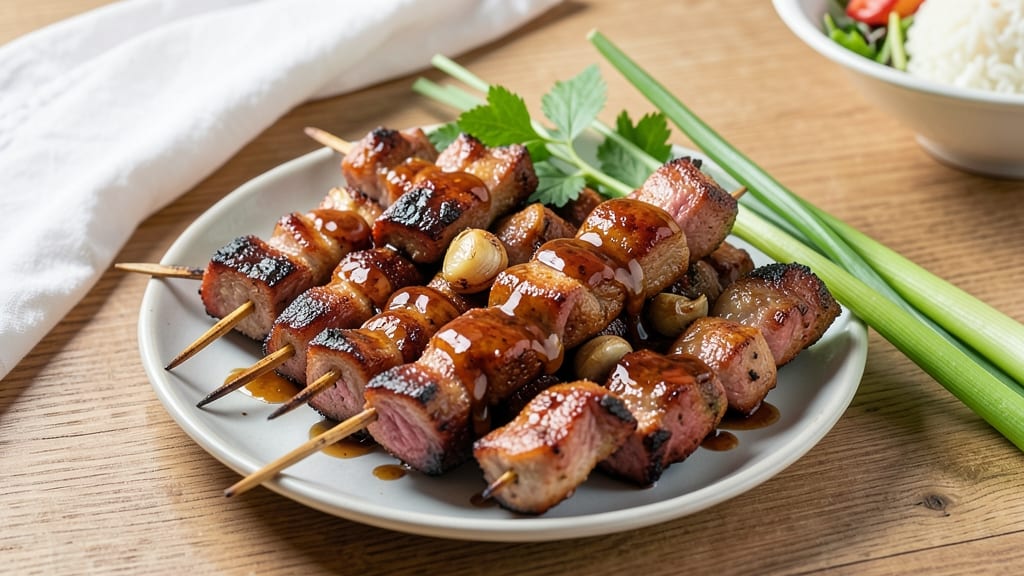
This lemongrass-soy glazed BBQ pork stick Filipino recipe delivers that perfect balance of sweet, tangy, and smoky flavors in just 30 minutes—no long marinating required. 🔥 The secret lies in the aromatic blend of lemongrass, soy sauce, and vinegar, which creates a caramelized crust while keeping the meat tender inside. I first tasted this dish at a local carinderia in Manila, and it’s been my go-to for quick, flavorful meals ever since.
The beauty of this recipe is its simplicity: just a handful of ingredients, minimal prep, and a quick sear on the grill or stovetop. The pork sticks are marinated in a bright, tangy glaze that caramelizes beautifully, giving them that signature Filipino BBQ crunch.
Whether you're serving them with atchara (pickled papaya), steamed rice, or just a side of patis (fish sauce), they’re always a crowd-pleaser.
What makes this dish truly special is how the flavors come together—sweet from the soy and brown sugar, tangy from the vinegar, and aromatic from the lemongrass and garlic. The result is juicy, flavorful pork sticks with a crispy exterior that’s impossible to resist.
This recipe is perfect for weeknight dinners, potlucks, or even as a quick appetizer when you’re craving something bold and satisfying.
Once you try this, you’ll understand why Filipino BBQ pork sticks are a staple in so many homes. The technique is straightforward, but the flavor is anything but basic. Let’s get cooking—your taste buds will thank you!
Ingredients for bbq pork stick filipino
Just 12 ingredients for that perfect lemongrass-soy crunch you crave from carinderias.
| Ingredient | Amount | Notes |
|---|---|---|
| Pork Shoulder 🥩 | 1 ½ lb | Cut into 1-inch thick sticks |
| Lemongrass 🌿 | 1 whole | Stalks, bruised and cut into 2-inch pieces |
| Soy Sauce 🥫 | ½ cup | Light or all-purpose |
| Brown Sugar 🍚 | ¼ cup | Packed, light or dark |
| White Vinegar 💧 | ¼ cup | Distilled preferred |
| Garlic Cloves 🧄 | 6 cloves | Minced, fresh preferred |
| Fresh Ginger 🌶️ | ½ cup | Finely grated, peeled |
| Olive Oil 🫒 | 2 tbsp | For cooking, high smoke point |
| Salt 🧂 | 1 ½ tsp | Kosher or sea salt |
| Black Pepper 🌶️ | ½ tsp | Freshly ground |
| Fish Sauce 🍶 | 1 tbsp | Red Boat preferred |
| Green Onions 🧅 | 3 whole | Sliced, for garnish |
The pork shoulder is key here—ask your butcher for bone-in, skin-on cuts if possible, but boneless works too. Filipino markets or Asian grocery stores often have pre-cut pork sticks, but cutting your own gives that authentic texture. Look for good marbling—it keeps the meat juicy during that quick sear. If you can't find lemongrass, substitute 1 tbsp lemongrass paste (found in Asian aisles), but fresh is always better. The ginger? Yellow or red ginger works too—just peel and grate it. I usually grab mine from the Asian market's refrigerated section—it stays fresher longer than the regular grocery store.
No fish sauce? Soy sauce plus a splash of lime juice gets you close. Short on brown sugar? White sugar works fine, but the molasses in brown sugar adds depth. Vinegar substitute? Apple cider vinegar or rice vinegar both work. The garlic can be pre-minced from a jar (in a pinch), but fresh makes all the difference. For the lemongrass, if you bruise it properly (lightly smash with a knife), you'll get way more flavor. And trust me on the Red Boat fish sauce—it's worth the splurge for this dish.
Marinate the pork for at least 30 minutes—overnight is even better if you have time. Store leftovers in an airtight container with the marinade for up to 3 days in the fridge. These reheat beautifully—just a quick pan sear or oven warm. For parties, double the recipe and freeze half. Portion into single servings before freezing so you can grab and cook as needed. The glaze thickens when chilled, so give it a quick stir before reheating.
Why You'll Love This Recipe
- One-Pot Magic: I swear by this—just toss the pork, lemongrass, and sauce in one pot, and walk away. No chopping mountains of veggies, no flipping a dozen pans. The pork practically falls apart on its own, and the aromas fill the whole house while you’re still deciding what to watch on TV.
- Sweet-Savory Balance: That caramelized brown sugar and vinegar combo? Chef’s kiss. It’s sticky, tangy, and just sweet enough to make your taste buds do a happy dance. The lemongrass adds this bright, herbal kick that cuts through the richness—like a party in your mouth where everyone’s invited.
- Leftovers That Don’t Suck: Between us, most BBQ leftovers turn into sad, dry rubble. Not this. The sauce keeps the pork moist for days, so lunch the next day is just as good as dinner. I’ve reheated these sticks cold, warm, or even in a quick stir-fry—no one’s ever complained.
- Budget Meal, Big Flavor: Pork shoulder is cheap, and a single cut stretches for a crowd. Double the batch, freeze half, and you’ve got a go-to for game day, potlucks, or when your kid’s soccer team “needs snacks” (again). Honestly, I’ve served these at birthday parties, office lunches, and lazy Sundays—no occasion’s too small or too fancy.
Step-by-step instructions for lemongrass-soy glazed pork sticks
Here's how to make crispy, aromatic pork sticks with a perfect balance of sweet, tangy, and savory flavors.
🔪 Step 1: Prep the Pork and Aromatics
Cut the 1.5 lb pork shoulder into 1-inch thick sticks—this size ensures even cooking and maximum crispiness. Pat them dry with paper towels to remove any surface moisture, which helps the marinade stick better and promotes browning. In a small bowl, combine the 6 cloves minced garlic, 0.5 cup finely grated fresh ginger, 1 whole lemongrass (bruised and cut into 2-inch pieces), 1.5 tsp salt, and 0.5 tsp black pepper. This aromatic blend is the backbone of the flavor.
Here's the thing—bruising the lemongrass releases its essential oils, which infuse the pork with that signature citrusy aroma. Use the flat side of a knife or a meat mallet to gently crush the lemongrass stalks before cutting them. You'll know it's ready when you can smell that bright, citrusy fragrance wafting from the bowl.
🍳 Step 2: Marinate the Pork
In a large mixing bowl, whisk together the 0.5 cup soy sauce, 0.25 cup packed brown sugar, 0.25 cup white vinegar, 1 tbsp fish sauce, and 2 tbsp olive oil. This marinade might look thin, but trust me—it penetrates the pork beautifully. Add the pork sticks and the aromatic mixture from the previous step, then toss everything together until the pork is fully coated.
Cover the bowl and refrigerate for at least 30 minutes—I prefer 1 hour if you have time. This chilling period allows the marinade to work its magic, tenderizing the pork and ensuring every bite is packed with flavor. Don't skip this step; it makes all the difference in the final texture and taste.
🔥 Step 3: Cook the Pork Sticks to Golden Perfection
Heat a large skillet over medium-high heat until it's hot but not smoking. Add the marinated pork sticks in a single layer, leaving space between each piece. You might need to work in batches to avoid overcrowding—the goal is to get a nice sear, not steam the pork. Cook for 4-5 minutes per side until the pork is golden brown and the edges start to crisp up.
Watch the heat carefully—if the pork starts to brown too quickly, reduce the heat slightly. You're aiming for a beautiful caramelization on the outside while keeping the inside juicy. The pork is done when it reaches an internal temperature of 145°F (use a meat thermometer to check). If it's not quite there, return it to the skillet for another minute or two.
🥘 Step 4: Glaze and Finish
Once the pork is cooked, remove it from the skillet and set it aside on a plate. Pour the remaining marinade into the skillet (about ½ cup) and bring it to a simmer over medium heat. Let it reduce for 3-4 minutes until it thickens slightly and coats the back of a spoon. This glaze is what ties everything together—sweet, tangy, and savory all at once.
Return the pork sticks to the skillet, spooning the glaze over them generously. Cook for another 1-2 minutes just to let the flavors meld. Garnish with the 3 whole sliced green onions right before serving. The green onions add a fresh, bright contrast to the rich, caramelized pork sticks.
Pro Tips For Making Bbq Pork Stick Filipino
- Trim the Lemongrass Right: Scrape off the tough outer layers first—those bruise your tongue—and split the stalks lengthwise before bruising them with a knife. I used to just chop them whole, and the flavor never felt as bold in the marinade. A few hard taps with the flat side of your knife releases the oils without making a mess.
- Marinate Overnight, Not Hours: Pork shoulder needs time to tenderize, so plan ahead: 8–12 hours in the fridge with soy sauce, brown sugar, and vinegar breaks down the fibers better than a rushed overnight. I learned this the hard way—my first attempt after 4 hours was still chewy, and no amount of grilling fixed it.
- Don’t Crowd the Grill: Space those pork sticks at least an inch apart or they’ll steam instead of caramelize. I’ve watched batches turn soggy because I packed them like sardines, and the crust? Nonexistent. Let the heat work its magic—patience here makes all the difference.
- Baste with Vinegar-Glaze: Mix 2 tablespoons of brown sugar with 1 tablespoon of vinegar in a small saucepan, heat until syrupy, then brush it on the sticks during the last 5 minutes of grilling. The acid cuts through the richness, and the sugar gives that sticky, glossy finish everyone loves—no extra marinade needed.
Make-ahead tips for this dish
Marinate Ahead
Marinate the pork sticks overnight for maximum flavor penetration—this is my go-to method when I'm prepping for a big weekend gathering. Store the marinated pork in a ziplock bag or airtight container in the fridge.
The longer it marinates, the more tender and flavorful the pork becomes, especially with the acidity from the vinegar breaking down the proteins. I often double the marinade and use it for other proteins like chicken or tofu later in the week. 🌿
Pre-Cook for Parties
For large groups, I recommend pre-cooking the pork sticks and storing them in the fridge or freezer. After searing, let them cool completely, then store in an airtight container with a splash of the reduced glaze to keep them moist.
Reheat in a skillet over medium heat for 2-3 minutes until warmed through. This method saves time on the day of your event and ensures everyone gets perfectly crispy pork sticks. Just be sure to reheat them in batches to maintain that golden crust. 🎉
Freezer-Friendly Prep
Freeze the raw marinated pork sticks in a single layer on a tray before transferring them to a freezer bag—this prevents them from sticking together. Label the bag with the date and freeze for up to 3 months.
When ready to cook, thaw in the fridge overnight, then proceed with the recipe as written. The marinade will be slightly thicker after freezing, so add a splash of water or vinegar when reheating to restore its consistency. This is a lifesaver for busy weeknights or last-minute dinner plans. ❄️
Glaze Make-Ahead
Make the glaze a day in advance and store it in a small airtight container in the fridge. The flavors meld beautifully overnight, and you can reheat it quickly on the stove when ready to cook. If the glaze thickens too much, thin it with a splash of water or vinegar before using. I often make extra glaze to drizzle over rice or use as a dipping sauce for dumplings—it’s that versatile. Just
Reheating Leftovers
Leftover pork sticks reheat best in a skillet or oven to maintain their crispiness. For the skillet method, heat over medium heat for 3-4 minutes, basting with a little extra glaze. For the oven, bake at 375°F for 5-7 minutes on a wire rack over a baking sheet to prevent sogginess. Avoid the microwave—it’ll turn your crispy pork into sad, rubbery sticks. Store leftovers in the fridge for up to 3 days or freeze for 2 months for future meals. 🔥
Batch Cooking Tips
Double or triple the recipe for meal prep—just be sure to adjust your cooking time and skillet size accordingly. I like to portion the cooked pork sticks into single-serving containers with a small amount of glaze and rice for easy grab-and-go meals.
This works perfectly for lunches or quick dinners during the week. If you’re short on time, freeze the cooked pork sticks in single layers on a tray before transferring to a bag—this keeps them from sticking together when you’re ready to reheat. 💡
Nutrition facts
Frequently asked questions
Can I use chicken or beef instead of pork for this recipe?
While pork is traditional, you can absolutely use chicken thighs (bone-in works best) or beef sirloin—just adjust cooking times. Chicken needs 5-6 minutes per side until it reaches 165°F, while beef should hit 145°F for medium-rare. The marinade works beautifully with either, but beef will be richer and more tender. For chicken, use slightly less vinegar (2 tbsp) to avoid over-acidity.
How do I get extra crispy pork sticks like carinderia-style?
For that signature crunch, pat the pork extra dry before marinating and sear over high heat in a cold skillet (no oil needed). After the first 3 minutes per side, add 1 tbsp oil to the pan and cook another 2 minutes to crisp the edges. For oven crispiness, broil for 2-3 minutes at the end on high heat. The secret? Don't overcrowd the pan—work in batches!
What's the best way to serve these pork sticks?
These are perfect with classic Filipino sides: steamed jasmine rice, atchara (pickled papaya), and a squeeze of calamansi or lime. For extra authenticity, serve with sinigang (sour soup) or adobo sauce. The pork sticks also make amazing banana leaf wraps—just layer with rice, shredded cabbage, and a drizzle of patis. Pro tip: Garnish with crushed peanuts for texture!
Can I make this recipe without lemongrass?
Yes! Substitute with 1 tbsp lemongrass paste (found in Asian markets) or 2 tbsp lime zest + 1 tbsp lime juice. For deeper flavor, add 1 tsp pandan extract (common in Filipino desserts) to the marinade. If using lime, reduce the vinegar to 2 tbsp to balance the acidity. The dish will still taste amazing—just slightly less aromatic.
Why did my pork sticks turn out dry?
Overcooking is the most common cause—pork should reach 145°F max. Use a meat thermometer to avoid guessing! Also, patting the pork too aggressively removes too much fat (which keeps meat juicy). Try brining the pork in 1 cup water + 1 tbsp salt for 30 minutes before marinating. For extra moisture, add 1 tbsp honey to the marinade to help retain juices.