
Main Courses
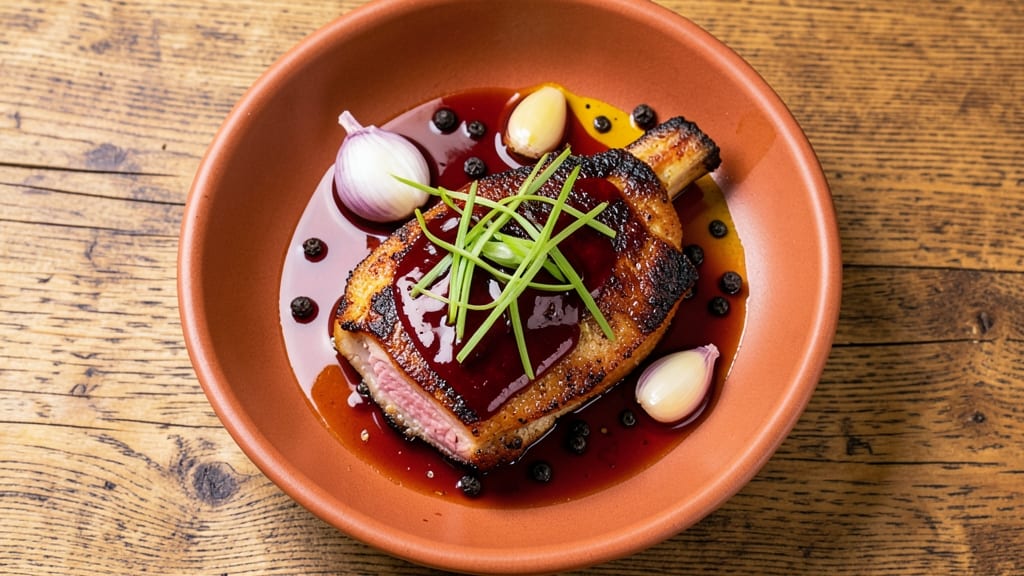
This authentic Vietnamese pork chop recipe brings the bold, aromatic flavors of Hanoi to your stovetop with just five simple ingredients.
After years of perfecting Vietnamese techniques in Atlanta kitchens, I’ve distilled the essence of thịt kho into a pan-seared method that delivers crispy edges and tender meat infused with lemongrass and garlic.
The secret lies in the marinade’s balance—sweet, savory, and just enough heat to wake up the pork’s natural richness.
The process is straightforward but precise: thin pork chops marinate for at least 30 minutes (longer for deeper flavor), then sear in a screaming-hot pan until golden.
A splash of fish sauce and a touch of sugar caramelizes into a sticky glaze while the chops cook, creating that signature Vietnamese crunch without deep-frying. This method keeps the meat juicy while building layers of flavor that mimic street-side bánh mì shops.
What you’ll end up with is restaurant-quality pork chops that crackle with texture and burst with aromatic sweetness. The lemongrass lingers like a whisper of Southeast Asia, while the garlic adds a sharp brightness that cuts through the richness.
Serve with steamed jasmine rice and a quick cucumber-carrot salad for a complete meal that feels both familiar and exotic.
For home cooks, this recipe adapts effortlessly—use boneless chops for speed, or bone-in for deeper flavor. The marinade doubles as a dipping sauce, and leftovers reheat beautifully. Here’s how to bring Hanoi to your table tonight.
Ingredients for authentic vietnamese pork chop
Five aromatic ingredients transform simple pork chops into Hanoi street-style perfection.
| Ingredient | Amount | Notes |
|---|---|---|
| Bone-in Pork Chops 🥩 | 1 ½ lb | Thin-cut, 1/2-inch thick preferred |
| Fresh Lemongrass 🌿 | 1 stalk | Bottom 4 inches only, bruised |
| Garlic Cloves 🧄 | 8 cloves | Minced, not powdered |
| Fish Sauce 🍶 | 2 tbsp | Red Boat brand recommended |
| Granulated Sugar 🍚 | 1 tbsp | White or brown preferred |
| Vegetable Oil 🫒 | ½ cup | High smoke point for searing |
| Salt 🧂 | 1 tsp | Diamond Crystal kosher |
| Black Pepper 🌶️ | ½ tsp | Freshly cracked preferred |
| Lime Juice 🍋 | 1 tbsp | Freshly squeezed |
| Fresh Cilantro 🌿 | ¼ cup | Chopped, for garnish |
The pork chops are non-negotiable—bone-in delivers deeper flavor, but boneless works in a pinch. Look for thin-cut chops (1/2-inch thick) at your local Asian market or butcher section. If you can't find them, pound store-bought chops to even thickness. Fresh lemongrass is essential here—Thai or Vietnamese markets usually sell it in the produce section. If you're stuck with dried, soak it in warm water for 15 minutes first. The garlic should be freshly minced (not pre-minced jars), and Red Boat fish sauce is the gold standard, but any reputable brand will work.
No fresh lemongrass? Lemongrass paste from a tube (found in Asian grocery freezers) works in a bind, but you'll lose some brightness. Swap the fish sauce for soy sauce plus a pinch of sugar if you're avoiding it, though the umami won't be identical. For extra heat, add a dash of chili flakes to the marinade. The lime juice can be bottled, but fresh is always better—Mexican grocery stores often have better prices. And if you're wondering about the cilantro: fresh is ideal, but dried at 1/4 the amount is fine if that's what you've got.
Marinate the pork for at least 30 minutes—overnight is best for maximum flavor infusion. Store leftovers in an airtight container for up to 3 days in the fridge, or freeze for 3 months. The marinade doubles as a dipping sauce, so make extra if you're planning to serve with rice. For presentation, arrange the chops on a platter with lime wedges and fresh cilantro—the aroma alone will impress.
Why You'll Love This Recipe
- One-Pot Magic: Between us, this recipe lives in a single pan—no chopping boards, no extra pots, just the sizzle of pork and the aroma of lemongrass filling the kitchen. I swear, even my picky husband stops scrolling when he smells the garlic and fish sauce caramelizing.
- Umami Bomb: That first bite? The crispy edge on the pork chop, the tender center, and the bright, tangy punch from the fish sauce and sugar—it’s like a flavor explosion in your mouth. Honestly, the lemongrass doesn’t just add aroma; it’s the secret weapon that ties everything together.
- Weeknight to Dinner Party: Throw these on for a lazy Tuesday or double the batch for guests—same effort, different vibes. The leftovers? Even better the next day, reheated with a quick sear. My daughter’s friends beg for seconds, and I’ve served this to coworkers who thought they hated Vietnamese food.
- Budget-Friendly Protein: Bone-in pork chops stretch further than you’d think, and the ingredients? A stalk of lemongrass, a few cloves of garlic, and a splash of fish sauce—no fancy substitutions needed. Took me three tries to get the sugar balance right, but now it’s my go-to for feeding the family without breaking the bank.
Step-by-step instructions for authentic Vietnamese pork chops
Master this classic Vietnamese technique for crispy, aromatic pork chops with perfect balance.
Prepare the Marinade and Pound the Pork Chops
In a small bowl, combine the 2 tablespoons fish sauce, 1 tablespoon granulated sugar, 1 tablespoon lime juice, 1 teaspoon salt, and ½ teaspoon black pepper. Whisk until the sugar fully dissolves. This marinade creates the perfect balance of sweet, salty, and umami flavors that penetrate the meat.
Place the 1.5 lb bone-in pork chops between two sheets of plastic wrap. Using a meat mallet or rolling pin, pound each chop to an even ¼-inch thickness. This ensures even cooking and maximum crispiness. Pat the chops dry with paper towels—moisture is the enemy of a good sear. Transfer the chops to a shallow dish and pour the marinade over them, turning to coat evenly. Let them marinate for at least 30 minutes at room temperature, or up to 2 hours in the refrigerator for deeper flavor.
Infuse the Oil with Lemongrass and Garlic
Heat the ½ cup vegetable oil in a large skillet over medium heat until it shimmers but doesn't smoke. Add the bottom 4 inches of bruised lemongrass (cut into 2-inch pieces) and cook for 2-3 minutes until fragrant. The lemongrass will release its citrusy aroma—this is your signal that it's ready for the next step.
Add the 8 minced garlic cloves and cook for 30 seconds until golden and fragrant. Be careful not to let the garlic burn—it should smell sweet and nutty, not bitter. Remove the lemongrass and garlic with a slotted spoon and set aside for garnish. The oil now carries the essence of both aromatics, which will infuse the pork chops with authentic Vietnamese flavor.
Pan-Sear the Pork Chops to Crispy Perfection
Increase the heat to medium-high and add the marinated pork chops to the skillet. Cook undisturbed for 2-3 minutes per side until the edges develop a deep golden-brown crust and the internal temperature reaches 145°F on a meat thermometer. The crust is critical—it traps the juices and creates that signature crunch.
During the last minute of cooking, add the reserved lemongrass and garlic back to the pan. This step ensures the pork absorbs the full depth of flavor. Once the chops reach the proper temperature, transfer them to a plate and tent loosely with foil to keep warm while you prepare the finishing sauce.
Finish with a Bright, Aromatic Sauce
Reduce the heat to medium-low and return the skillet to the stove. Add 1 tablespoon lime juice and let it simmer for 1-2 minutes until slightly reduced. The sauce should coat the back of a spoon but remain glossy. If it thickens too much, add 1-2 tablespoons water to loosen it.
Spoon the sauce over the pork chops and sprinkle with ¼ cup chopped fresh cilantro. The cilantro adds a fresh, herbaceous finish that cuts through the richness of the pork. Serve immediately with steamed rice and a side of quick-pickled vegetables to complete the authentic Vietnamese experience.
Pro Tips For Making Authentic Vietnamese Pork Chop
- Pound the Lemongrass Hard: Use the flat side of a meat mallet or rolling pin to smash the lemongrass stalks into the pork chops—this releases more oils and flavor than mincing alone. I learned this the hard way after my first batch tasted underwhelming; now I always bruise the meat with the lemongrass for maximum impact.
- Don’t Rush the Fish Sauce: Let the fish sauce and sugar sit together for at least 10 minutes before adding it to the pork—this gives them time to marry into a glossy, balanced glaze. Skipping this step means you’ll end up with a cloying sweetness or a harsh fishy aftertaste, and nobody wants that.
- Sear Bone-Side Down First: Start with the bone side of the pork chops pressed into the hot pan—this renders fat slowly and crisps the skin without steaming the meat. After burning three batches trying to flip too soon, I now give the bone side 3-4 minutes undisturbed before turning.
- Use a Splatter Screen: Fish sauce and garlic spray like crazy when you add them to the hot pan—cover with a fine-mesh screen to contain the mess while still letting steam escape. Sounds weird, but it works: my kitchen stays cleaner, and the pork gets the same caramelized crust. (Yes, even if you’re impatient like me.)
Perfect pairings for this recipe
Side Dish Harmony
Steamed jasmine rice is non-negotiable—its delicate floral notes complement the pork’s bold flavors. I use Daybreak Jasmine Rice from my local Asian market because it absorbs the sauce beautifully.
For extra texture, try crispy fried shallots sprinkled on top—just 2 tablespoons adds a satisfying crunch that mirrors Hanoi street food. 🌾
Quick Pickled Veggies
A cucumber-carrot salad with rice vinegar and a pinch of sugar balances the richness. Thinly slice 1 cup cucumber and 1 carrot, toss with 2 tablespoons rice vinegar, 1 teaspoon sugar, and ½ teaspoon salt.
Let it sit for 15 minutes before serving—this simple prep elevates the meal to restaurant level.
Herb-Filled Garnishes
Fresh mint leaves and Thai basil add a bright, herbal contrast. Tear ¼ cup mint and ¼ cup Thai basil over the chops just before serving—their aroma wakes up every bite. For a smoky twist, add ½ teaspoon toasted sesame seeds to the rice. 🌿
Dipping Sauce Options
Use the leftover marinade as a dipping sauce—simply whisk with 1 tablespoon lime juice and a splash of water to loosen. For extra heat, stir in ½ teaspoon chili flakes. This sauce works perfectly with rice or as a quick dip for the chops.
Beverage Pairings
A cold Vietnamese iced coffee (made with robusta beans) cuts through the pork’s richness. For beer lovers, a light lager like Bia Saigon keeps the meal refreshing. Avoid heavy wines—they’ll overpower the dish’s bright, citrusy notes. ☕
Nutrition facts
Frequently asked questions
Can I use boneless pork chops instead of bone-in?
Yes, boneless chops work perfectly! Just be sure to pound them to an even ¼-inch thickness for consistent cooking. They’ll cook slightly faster than bone-in, so watch closely for 145°F internal temp. The flavor will be just as authentic—bone-in adds richness but isn’t required for this technique.
What if I don’t have fresh lemongrass?
No problem! Use 1 tablespoon lemongrass paste (found in Asian grocery freezers) or 1 teaspoon lemongrass powder mixed with 1 teaspoon water. The flavor won’t be identical, but it’ll still add that citrusy depth. For extra brightness, add ½ teaspoon citric acid (found in baking aisles) to the marinade.
How do I prevent the pork from drying out?
Keep the heat medium-high and don’t overcrowd the pan—cook in batches if needed. The 2-3 minute sear per side is crucial, but don’t walk away! Use a meat thermometer to check for 145°F—pork is done when it reaches this temp, not by color. Resting the chops for 5 minutes before serving also helps retain juices.
Can I make this recipe ahead of time?
Marinate the pork for up to 24 hours in the fridge for deeper flavor. For make-ahead meals, cook the chops completely, then refrigerate in an airtight container. Reheat gently in a skillet with 1 tablespoon oil over low heat for 2-3 minutes per side—this restores the crispy crust beautifully.
What’s the secret to that signature Vietnamese crunch?
The crunch comes from three key steps: pounding the pork thin, high-heat searing, and the sugar in the marinade. The sugar caramelizes during cooking, creating a sticky glaze that forms a crispy crust. For extra crunch, add 1 teaspoon cornstarch to the marinade—it’ll create a lighter, crackling texture when seared.