
Main Courses
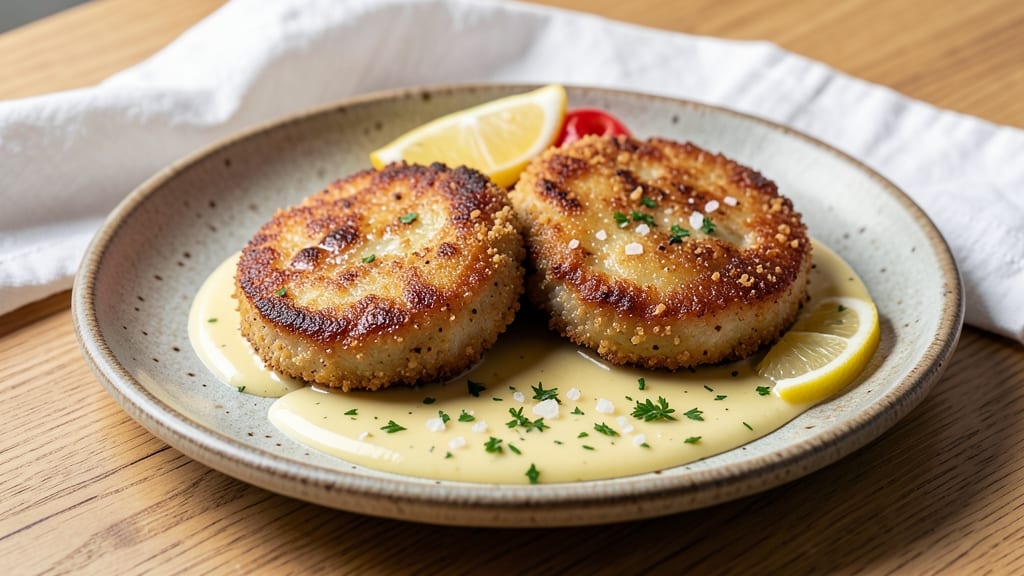
This Austrian pork schnitzel recipe delivers the perfect balance of golden crispy crust and tender inside—just like Vienna's finest taverns. 🔥 After years of perfecting the technique, I've cracked the code for achieving that signature shatteringly crisp exterior while keeping the meat juicy and delicate.
The secret lies in proper breading layers, precise pan-searing, and never skipping the resting time. What makes this recipe truly special is the traditional Austrian method, where we use pound cake crumbs for breading instead of breadcrumbs—this creates a lighter, more delicate crust that's crispy without being heavy.
The thin, even cut of pork is the foundation, and we'll walk you through every step to ensure perfect results every time. By following these exact techniques, you'll end up with restaurant-quality schnitzel that's crisp enough to stand up to lemon wedges but tender enough to melt in your mouth.
The aroma alone will transport you to Vienna, where this dish originated as a humble peasant meal that became an imperial favorite. Serve with classic sides like potato salad or cucumber salad, and don't forget the lemon wedges for that signature tangy finish.
This is the schnitzel recipe that will make you the star of any dinner party—no fancy equipment required, just patience and attention to detail.
Ingredients for austrian pork schnitzel
Four ingredients transform simple pork into Vienna's golden classic—crispy outside, tender inside.
| Ingredient | Amount | Notes |
|---|---|---|
| Pork Cutlets 🍖 | 1 ½ lb | Thinly sliced, ¼-inch thick |
| Pound Cake Crumbs 🍰 | 2 cups | Homemade or store-bought, fine texture |
| All-Purpose Flour 🌾 | 1 ½ cups | Sifted for light, airy breading |
| Large Eggs 🥚 | 2 whole | Room temperature for even coating |
| Fine Sea Salt 🧂 | 1 tsp | Diamond Crystal preferred |
| Ground Black Pepper 🌶️ | ½ tsp | Freshly cracked for brightness |
| Unsalted Butter 🧈 | ½ cup | Melted for frying, high smoke point |
| Vegetable Oil 🫒 | ½ cup | For stable high-heat frying |
| Lemon Wedges 🍋 | 4 whole | For serving, freshly cut |
| Fresh Parsley 🌿 | ¼ cup | Chopped, for garnish |
The pound cake crumbs are non-negotiable here—homemade from stale pound cake gives the signature delicate crunch, but Trader Joe's or Williams Sonoma sell pre-made versions if you're short on time. For the pork, look for center-cut loin (like pork tenderloin) at Whole Foods or your local butcher—it stays tender when sliced thin. The flour? King Arthur or Gold Medal brands work best for that light, airy texture. Skip the pre-shredded cheese breadcrumbs—those get soggy fast.
No pound cake? Crusty breadcrumbs from a baguette work in a pinch, but they'll be heavier. Ran out of eggs? 1 tbsp cornstarch + 3 tbsp water mimics the binding power. The butter and oil combo is key—European-style unsalted butter (like Plugrá) adds richness, while the oil prevents burning. For extra crispiness, pat the cutlets dry with paper towels before breading—moisture is the enemy of crunch. And yes, you can use all butter if you're feeling indulgent (just monitor the heat).
Keep the breading mix in an airtight container for up to 3 days—it stays crispy best when fresh. The pork cutlets? Use within 2 days for optimal tenderness. Once fried, these reheat beautifully—230°F oven for 10 minutes restores the crisp. I always make a double batch and freeze half—thaw overnight in the fridge, then fry straight from frozen (just add 1-2 minutes). The lemon wedges? Squeeze fresh juice over the top right before serving—store-bought won't cut it here.
Why You'll Love This Recipe
- No-Fuss Crispiness: I swear by the pound cake crumbs—they’re lighter than breadcrumbs but still give that golden, shatteringly crisp shell. No need for fancy panko or extra steps; just pulse them in a food processor and you’re golden.
- Taste Like Home: That first bite—crunchy outside, tender inside—hits different. The salt in the flour and egg wash? It’s the secret to making it taste like the schnitzel my grandma used to serve, not just another fried cutlet.
- Weeknight Hero: Between us, this is my go-to when I’m starving but don’t want to slave over dinner. Thin the pork cutlets, coat them in the dry mix, and fry them while I toss together a simple salad. Done in 20 minutes, no excuses.
- Budget-Friendly Feast: Pound cake crumbs stretch further than you’d think, and pork cutlets are cheaper than chicken breasts. Double the batch, freeze half—then you’ve got a quick, satisfying meal for lazy days or unexpected guests.
Step-by-step instructions for Austrian pork schnitzel
Here's how to achieve that legendary golden crust and melt-in-your-mouth tenderness every time.
🔪 Step 1: Pound and Season the Pork Cutlets
Place each of the 1.5 lb pork cutlets between two sheets of plastic wrap. Using a meat mallet or rolling pin, pound them to an even ¼-inch thickness—this ensures even cooking and prevents curling. I press firmly but evenly, working from the center outward to maintain shape.
Season both sides generously with 1 tsp fine sea salt and 0.5 tsp ground black pepper. The salt should visibly cling to the surface. Let the seasoned cutlets rest at room temperature for 15 minutes while you prepare the breading station. This resting time is crucial—it prevents the meat from shrinking dramatically when it hits the hot oil.
👨🍳 Step 2: Create the Perfect Breading Station
Set up three shallow dishes: one with the 1.5 cups sifted all-purpose flour, one with the 2 cups pound cake crumbs, and one with the 2 whole large eggs beaten until frothy. I like to use a fork for the eggs to create gentle bubbles that help the breading adhere better.
Here's the secret: dip each cutlet first into the flour, shaking off any excess, then into the beaten eggs, letting any excess drip off, and finally into the pound cake crumbs, pressing gently to ensure full coverage. The pound cake crumbs create that signature Austrian texture—lighter than traditional breadcrumbs but still crispy. Work quickly to prevent the breading from becoming soggy from egg moisture.
🔥 Step 3: Fry to Golden Perfection
In a large skillet, melt 0.5 cup unsalted butter and 0.5 cup vegetable oil over medium-high heat until the butter foams but doesn't brown. You're aiming for a temperature around 350°F—hot enough to crisp the breading but not so hot it burns before the inside cooks through.
Carefully add the breaded cutlets to the skillet, working in batches if needed to avoid crowding. Fry for 2-3 minutes per side until the breading is deep golden brown and the edges lift easily from the pan. The key is patience—don't flip too soon. You'll know it's ready when the underside is uniformly golden and the cutlet releases cleanly from the pan. Transfer to a paper towel-lined plate to drain excess oil.
⏰ Step 4: Rest and Serve with Classic Accompaniments
Let the schnitzel rest for 2-3 minutes before serving. This brief rest allows the juices to redistribute, ensuring each bite is tender rather than gushy. I know it's tempting to eat it immediately, but trust me—this step makes all the difference in texture.
Garnish each serving with a sprinkle of 0.25 cup chopped fresh parsley and serve with 4 whole lemon wedges for that classic Austrian touch. The lemon's acidity cuts through the richness of the schnitzel beautifully. Pair with a simple green salad or buttery potato dumplings for a complete meal that feels like a Vienna café experience.
Pro Tips For Making Austrian Pork Schnitzel
- USE POUND CAKE CRUMBS: I learned this the hard way—regular breadcrumbs get soggy fast. Pound cake crumbs stay crispy because they’re denser and absorb less moisture. Toast them lightly first if you’re worried, but honestly, just use them straight from the cake.
- SALT THE EGGS: A pinch of salt in the egg wash makes the crust stick better. I used to skip it, and the coating would slide off. Now I add ¼ teaspoon fine sea salt to the beaten eggs—trust me, it’s worth it.
- PAT THE CUTLETS DRY: Wet pork = soggy schnitzel. After pounding, blot the cutlets with paper towels until they’re bone-dry. I know, it’s tedious, but it guarantees that golden, shatterable crust.
- COOK IN BATCHES: Crowding the pan steams the pork instead of searing it. Cook one cutlet at a time over medium-high heat—yes, it takes longer, but you’ll get that perfect caramelized crust every time.
Regional styles of this dish
Viennese Café Style
In Vienna's historic cafés, schnitzel is served with a delicate touch—thinly sliced pork loin (not tenderloin) and a breading so light it feels almost airy. I learned this technique from a 90-year-old Viennese chef who swore by 1 part flour to 2 parts cake crumbs for that signature café texture.
Serve with lemon butter sauce (melt 2 tbsp butter with 1 tbsp lemon juice and ½ tsp parsley)—drizzle tableside for maximum drama. 🍋
Hungarian Paprika Version
Hungary's take on schnitzel swaps the lemon for 1 tsp sweet paprika mixed into the flour before breading. Add ½ tsp caraway seeds to the breading for an authentic twist.
Serve with sauerkraut and a dollop of sour cream—the tangy contrast is pure Hungarian comfort food. I first tried this version in Budapest and it became an instant favorite.
Tyrolean Mountain Crust
The Tyrol region adds grated Gruyère cheese to the breading (about ¼ cup) for a nutty, savory depth. Use almond flour instead of regular flour for a gluten-free option that still crisps beautifully.
Pair with apple compote and a side of braised red cabbage—this rustic version feels like a mountain lodge meal. The cheese breading adds a luxurious touch without overpowering the pork.
Modern Fusion Twist
For a contemporary take, I like adding 1 tbsp smoked paprika to the flour and using panko breadcrumbs mixed with cake crumbs for extra crunch. Serve with avocado crema (blend 1 avocado with ½ cup sour cream, 1 tbsp lime juice, and salt) and pickled jalapeños.
This version keeps the traditional technique while updating the flavors for today's palates. The smoky heat balances the richness perfectly. 🌶️
Southern Austrian Styrian Style
In Styria, schnitzel gets a heartier treatment with bacon-wrapped pork cutlets. Wrap each breaded cutlet with 2 slices thick-cut bacon before frying. The bacon adds a smoky depth that pairs beautifully with Styrian potato salad (made with mayo, vinegar, and fresh dill).
This version feels like a Sunday family dinner—rich, indulgent, and deeply satisfying. The bacon also adds an extra layer of crispiness that's irresistible. 🥓
Vegetarian Adaptation
For a plant-based version, use extra-firm tofu pressed for 30 minutes and sliced ¼-inch thick. Follow the same breading process but add 1 tbsp nutritional yeast to the flour for a cheesy flavor. Fry in avocado oil (higher smoke point) and serve with mushroom gravy.
While it won't be identical, this version delivers that same satisfying crunch and crispy texture—perfect for vegetarians who still crave schnitzel. 🌱
Nutrition facts
Frequently asked questions
Why does your recipe use pound cake crumbs instead of breadcrumbs?
The pound cake crumbs create that signature Austrian texture—lighter, crispier, and more delicate than traditional breadcrumbs. The cake's natural oils help create a shatteringly crisp crust while keeping the inside tender. For a quick substitute, use fine dry breadcrumbs mixed with 1 tbsp cornstarch to mimic the lightness.
Can I make this recipe with chicken or veal instead of pork?
Chicken breast works beautifully—just slice it ⅛-inch thick for even cooking. For veal, use ¼-inch thick slices like the pork. The breading technique remains identical, though chicken may require 1 minute less per side to avoid overcooking. Veal's delicate flavor makes it a traditional choice in many Austrian recipes.
What's the best way to keep the schnitzel from curling while frying?
Use a weighted spatula (like a pizza peel with weights) to press the cutlets flat while frying. Also, ensure your pork is pounded to exactly ¼-inch thickness and chilled for 10 minutes after pounding to firm up. Never skip the flour dredge first—it creates a barrier that prevents curling better than egg alone.
Can I bake this instead of frying for a healthier version?
You can try! Preheat oven to 425°F and bake on a wire rack for 12-15 minutes with a baking sheet underneath to catch drips. For crispiness, spray with olive oil mist before baking. However, baked versions won't achieve the same shatteringly crisp texture—fried or air-fried (at 375°F for 8 minutes) work best for that authentic crunch.
How do I store leftovers to maintain crispiness?
Store in an airtight container at room temperature for up to 2 days—the breading stays crisp best when not refrigerated. For longer storage, freeze for up to 1 month, then reheat at 350°F for 5 minutes to restore crispness. Never microwave—it makes the breading soggy. Re-crisp by frying in butter for 30 seconds per side.